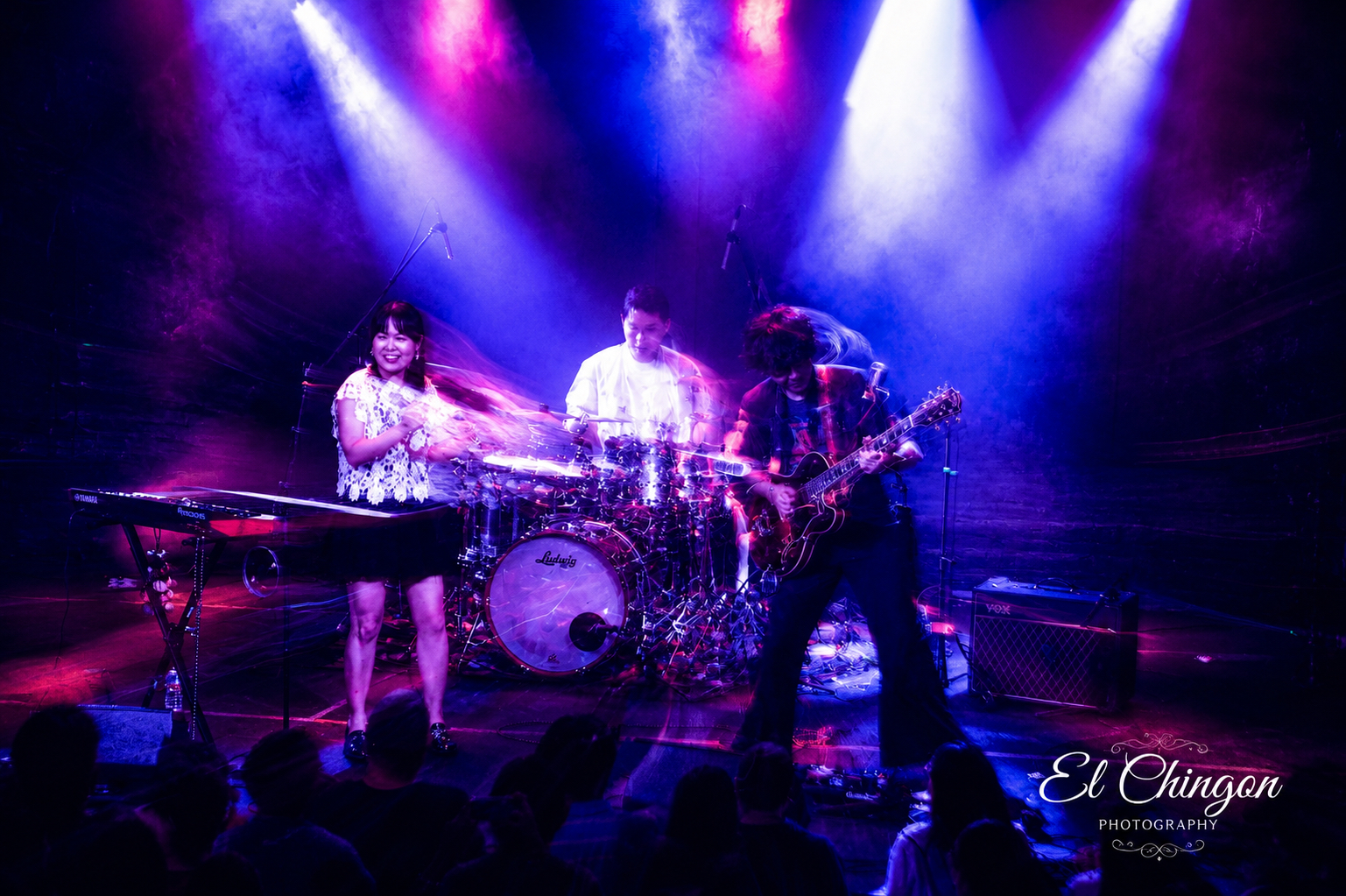
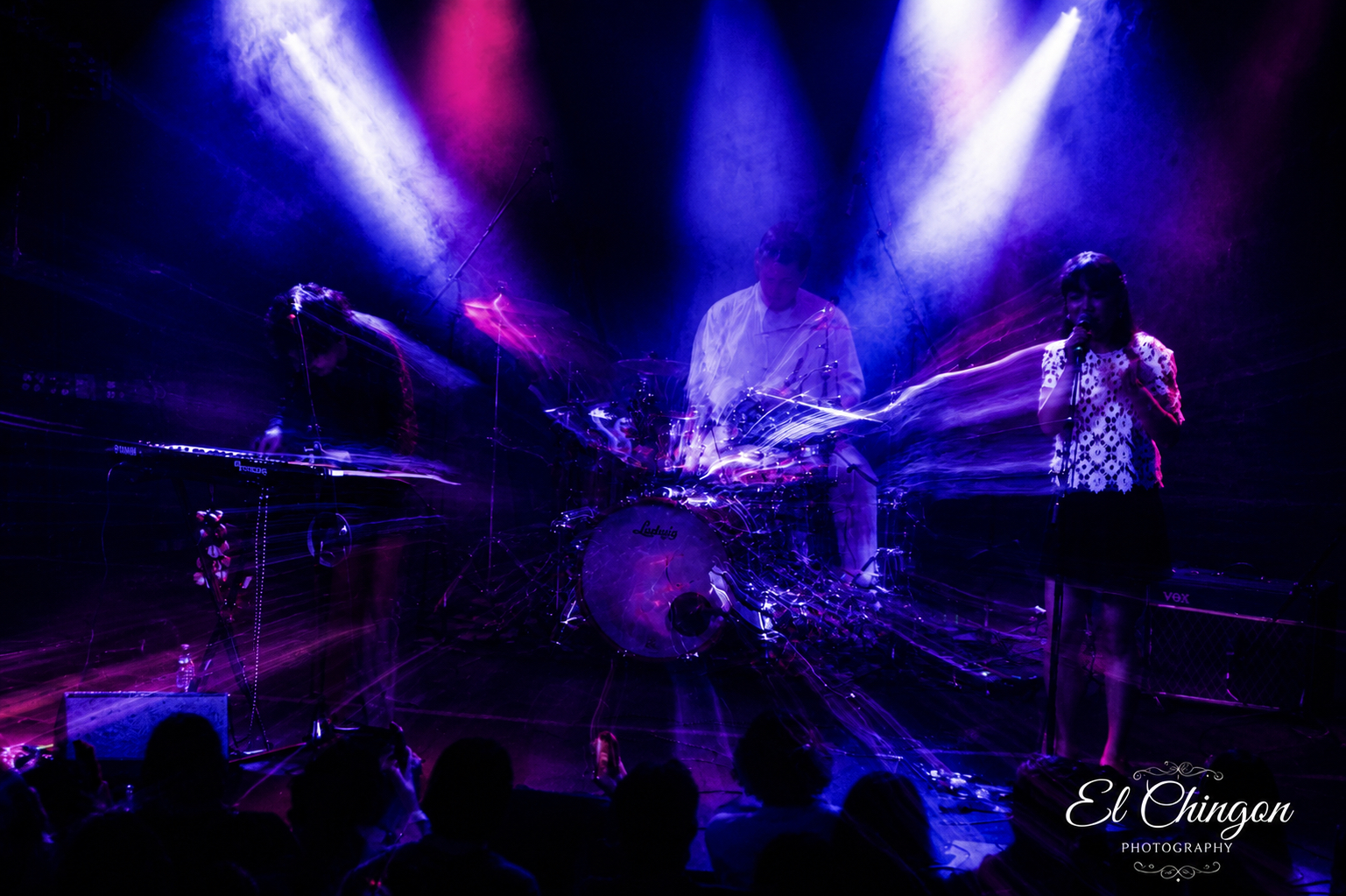
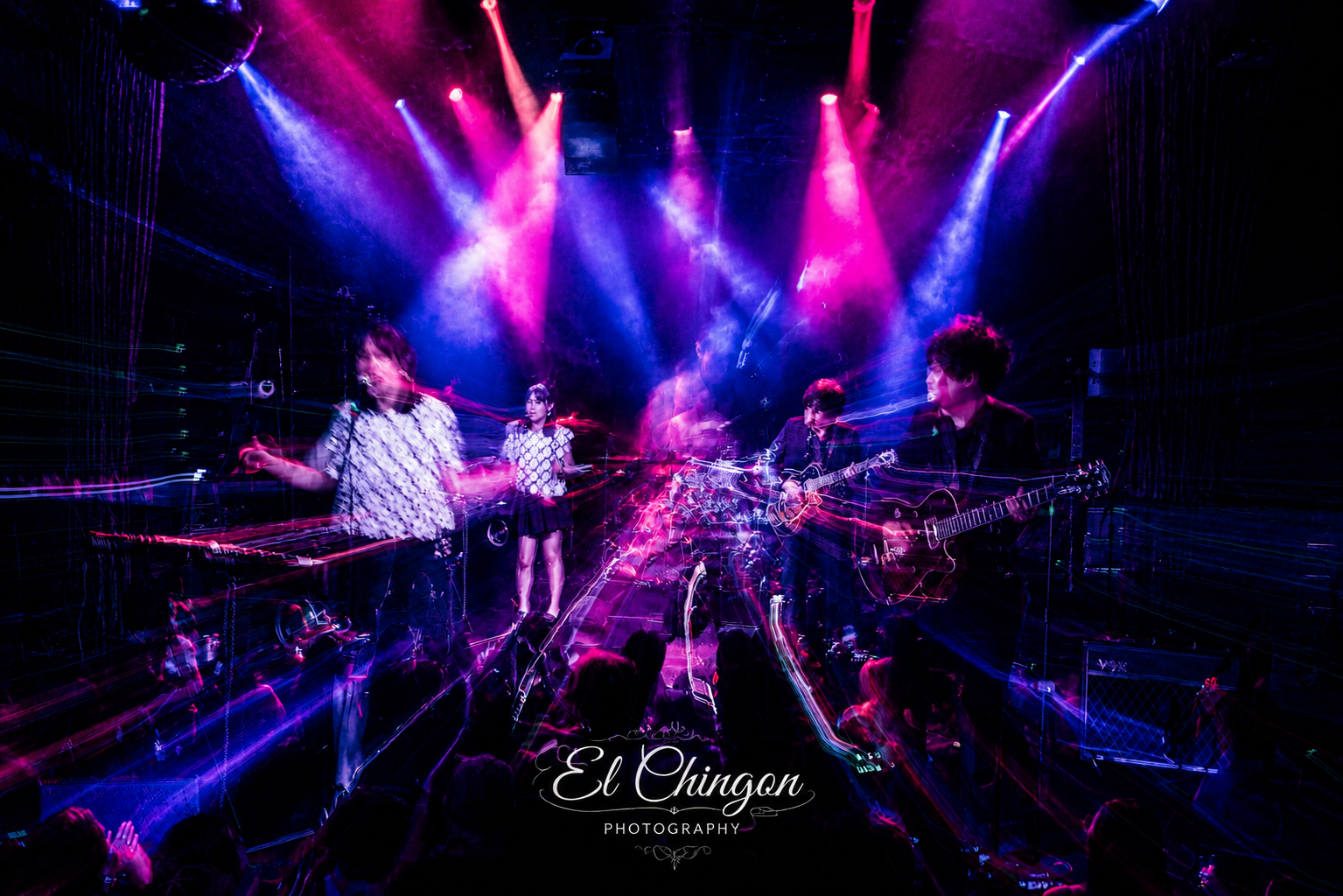
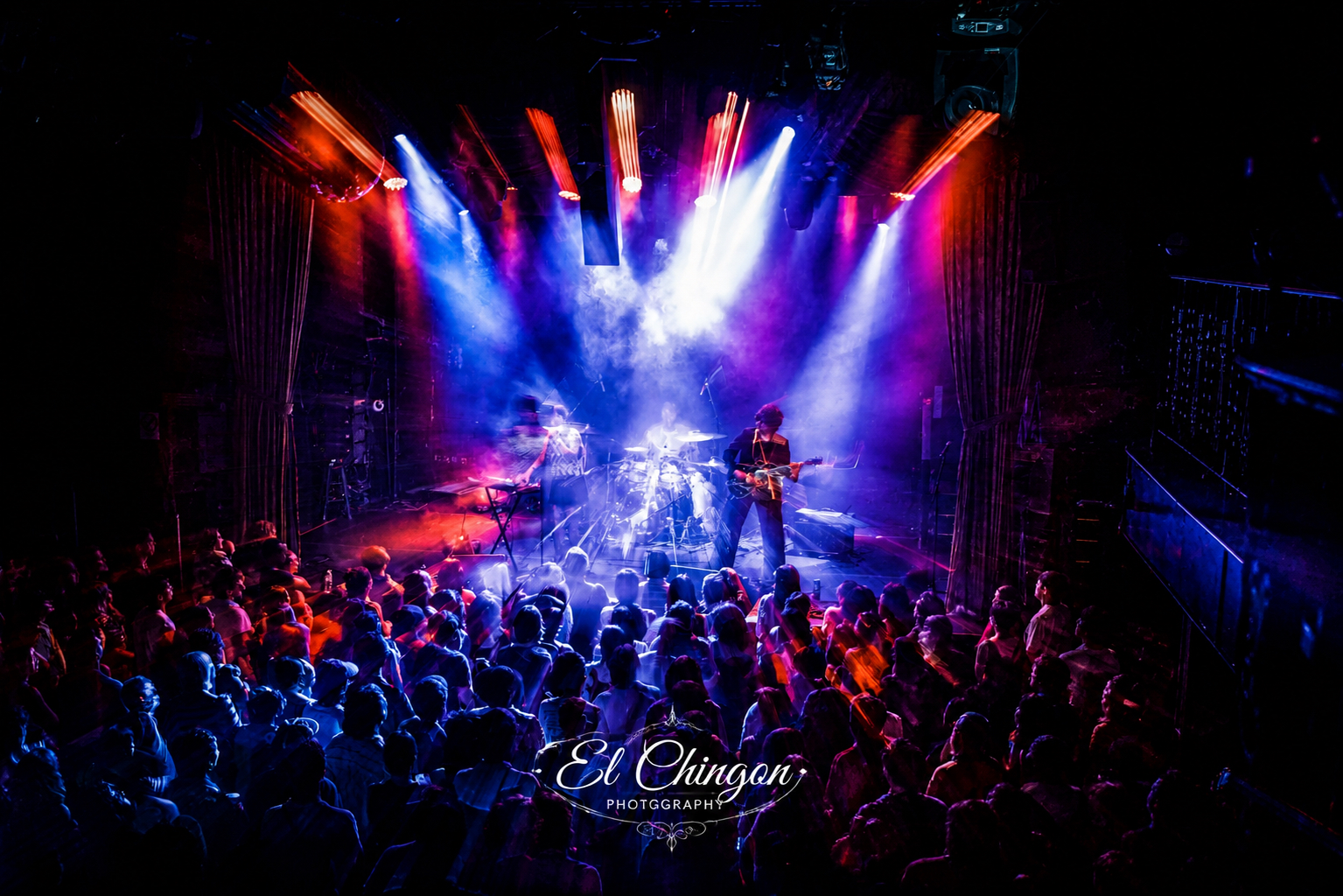
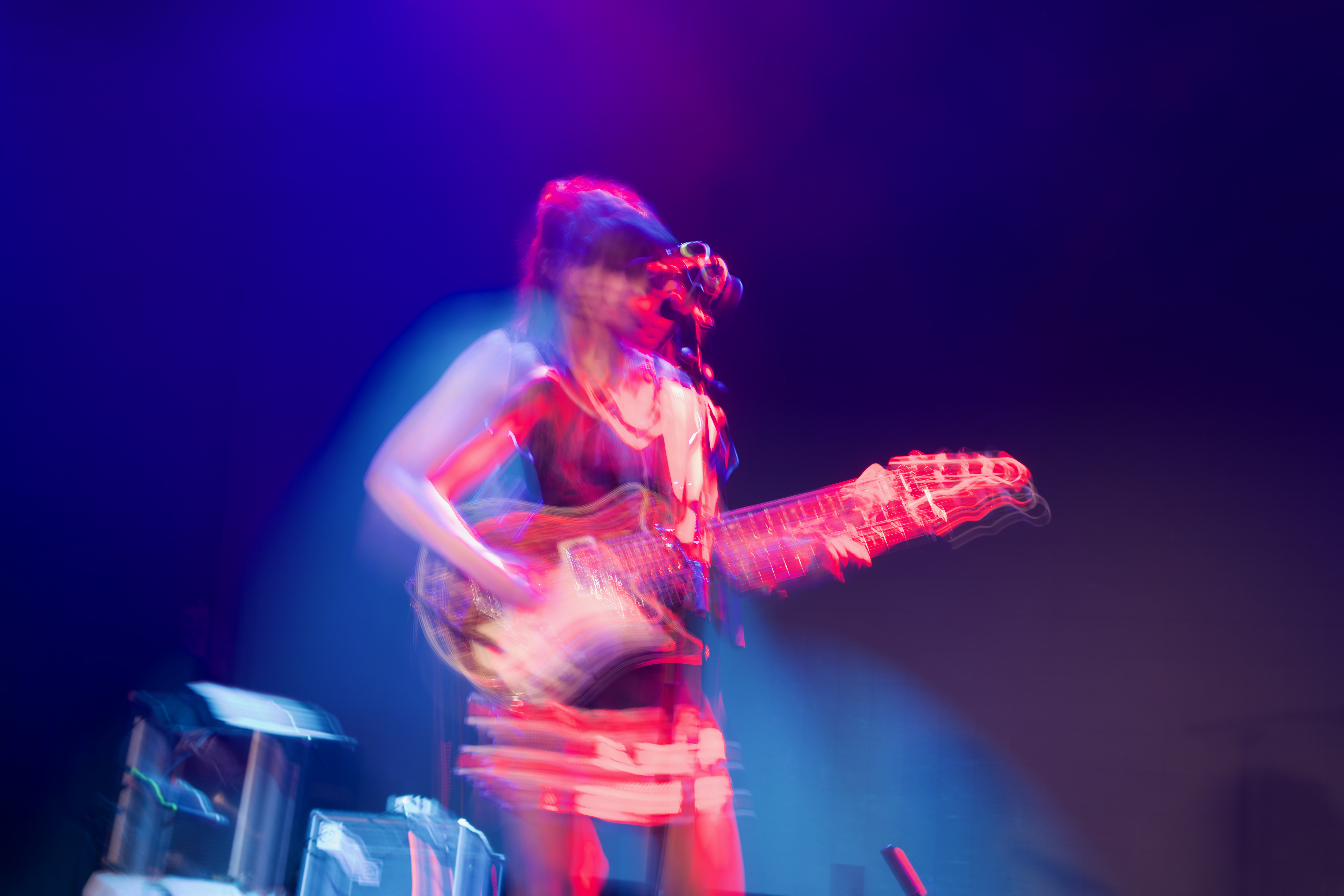
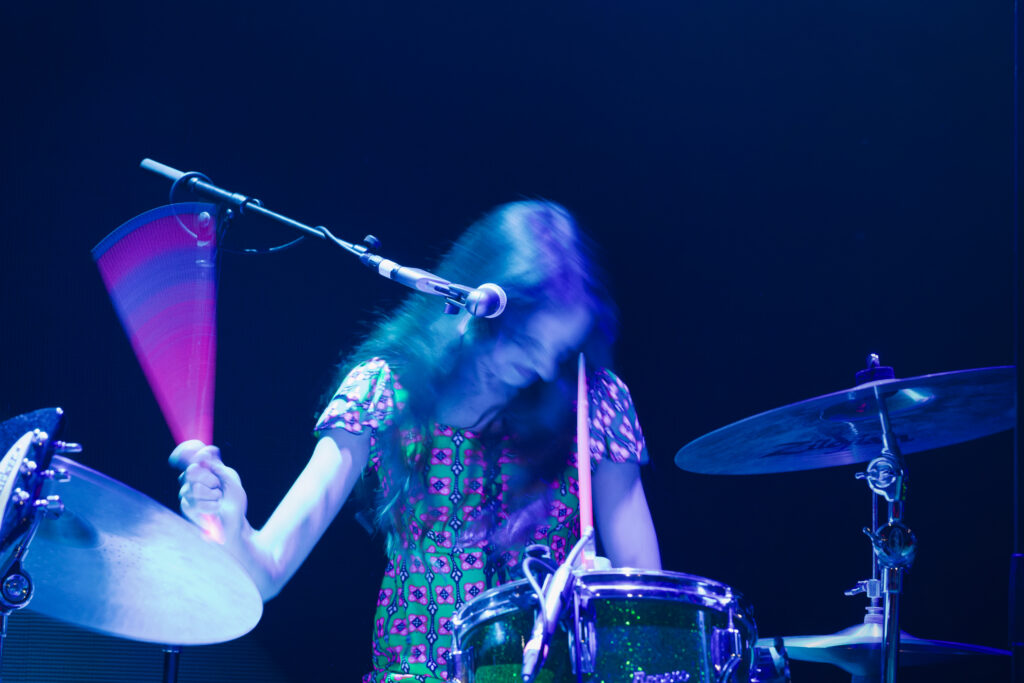
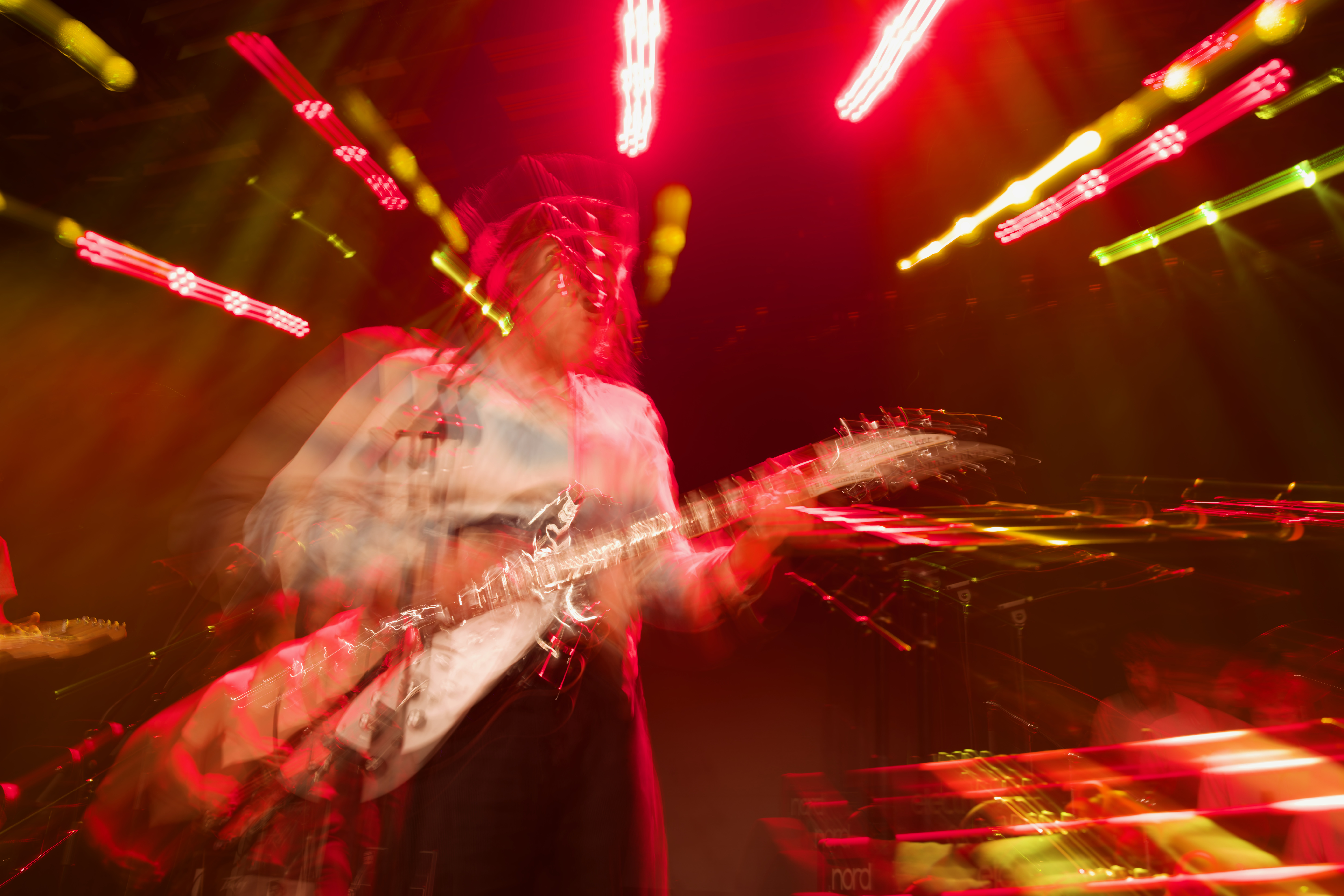
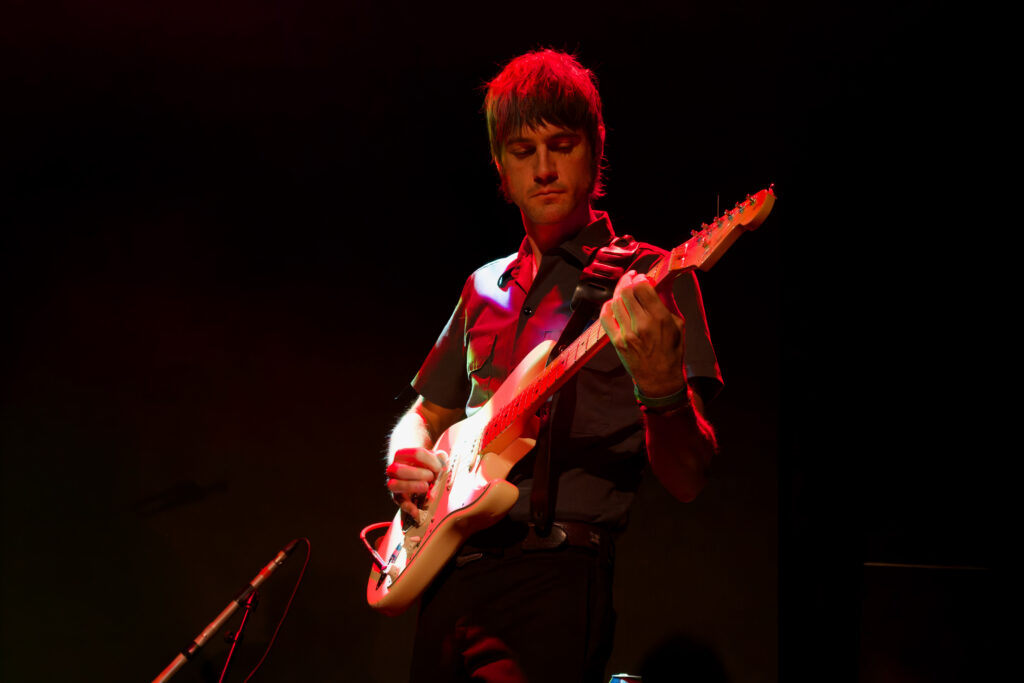
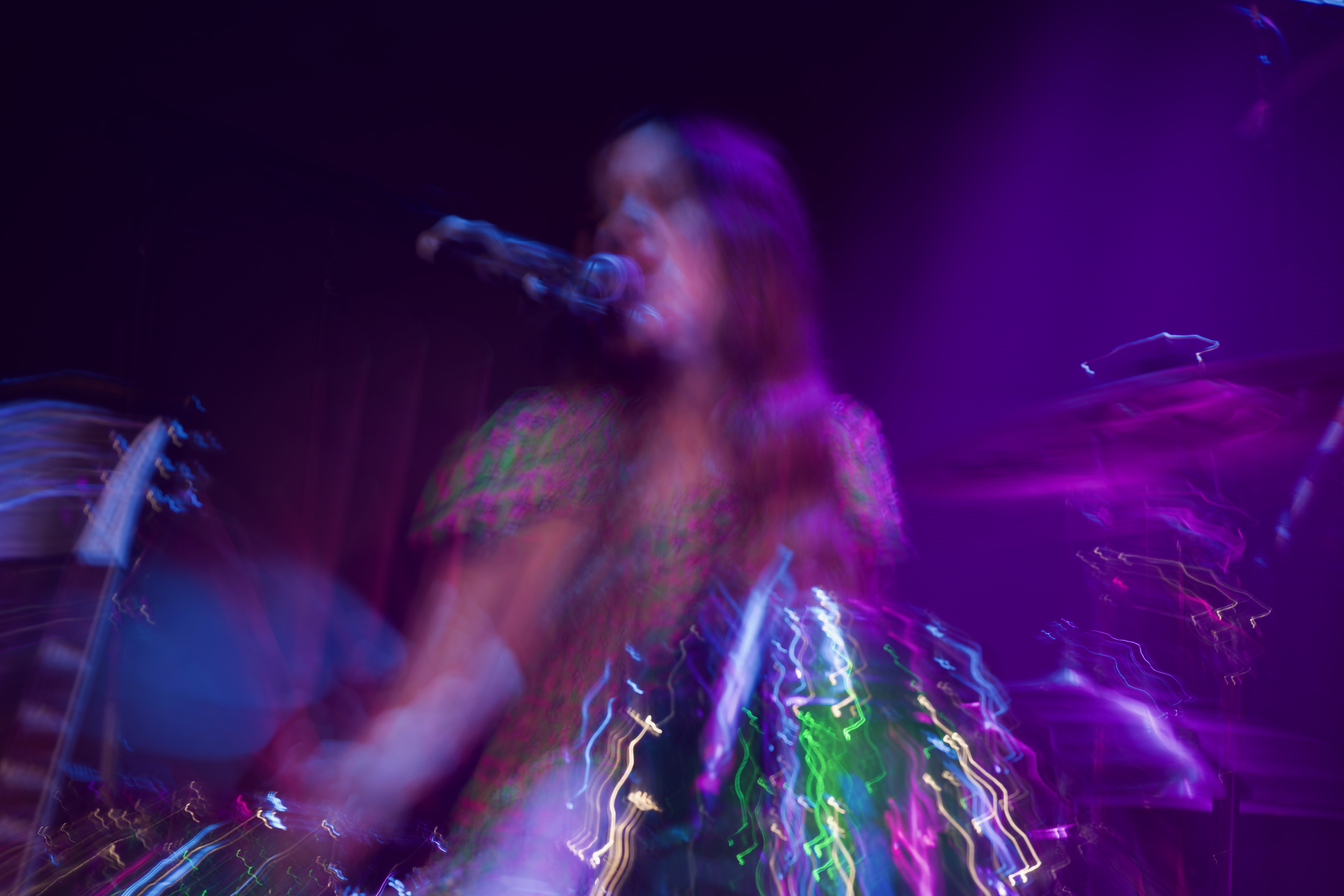
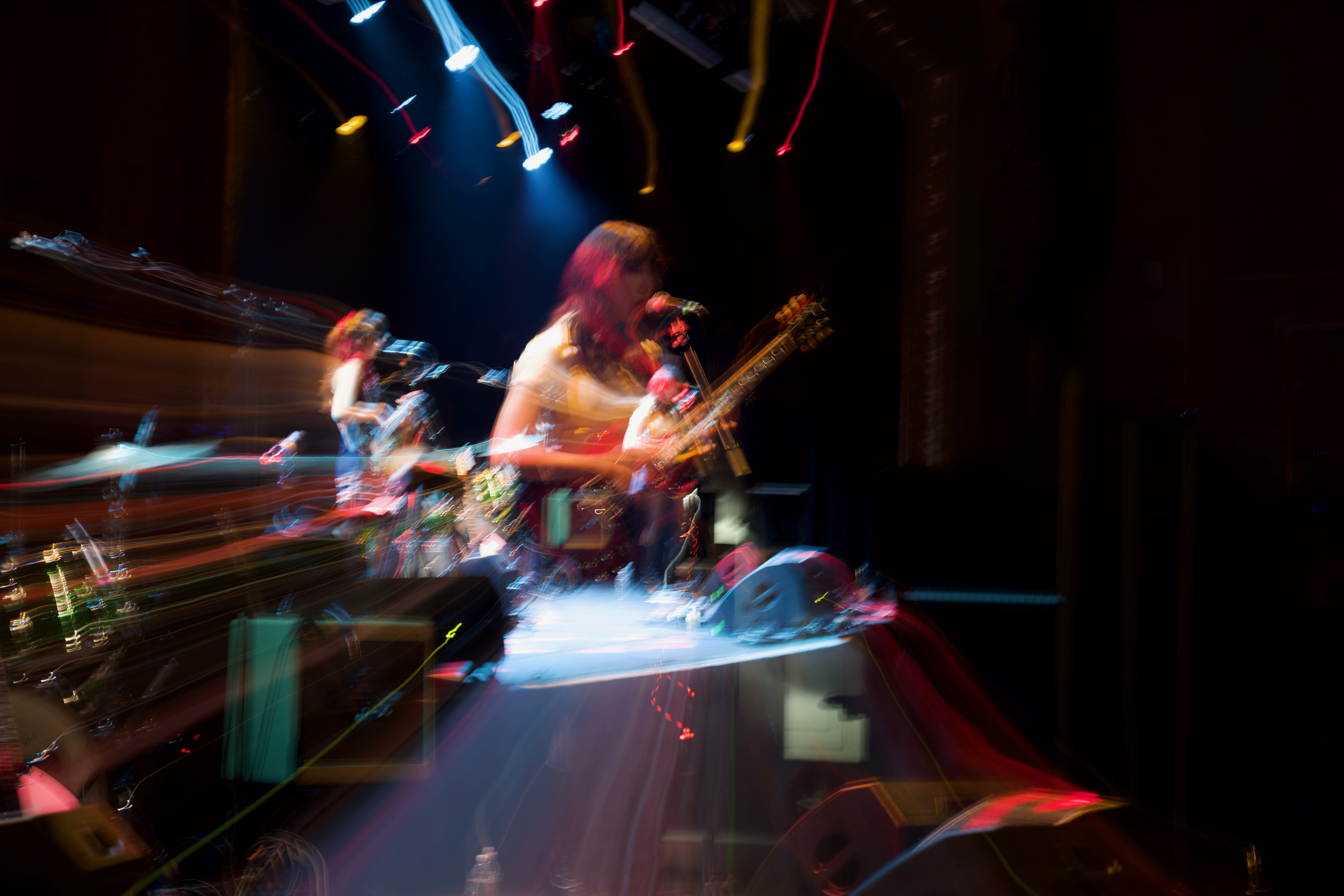
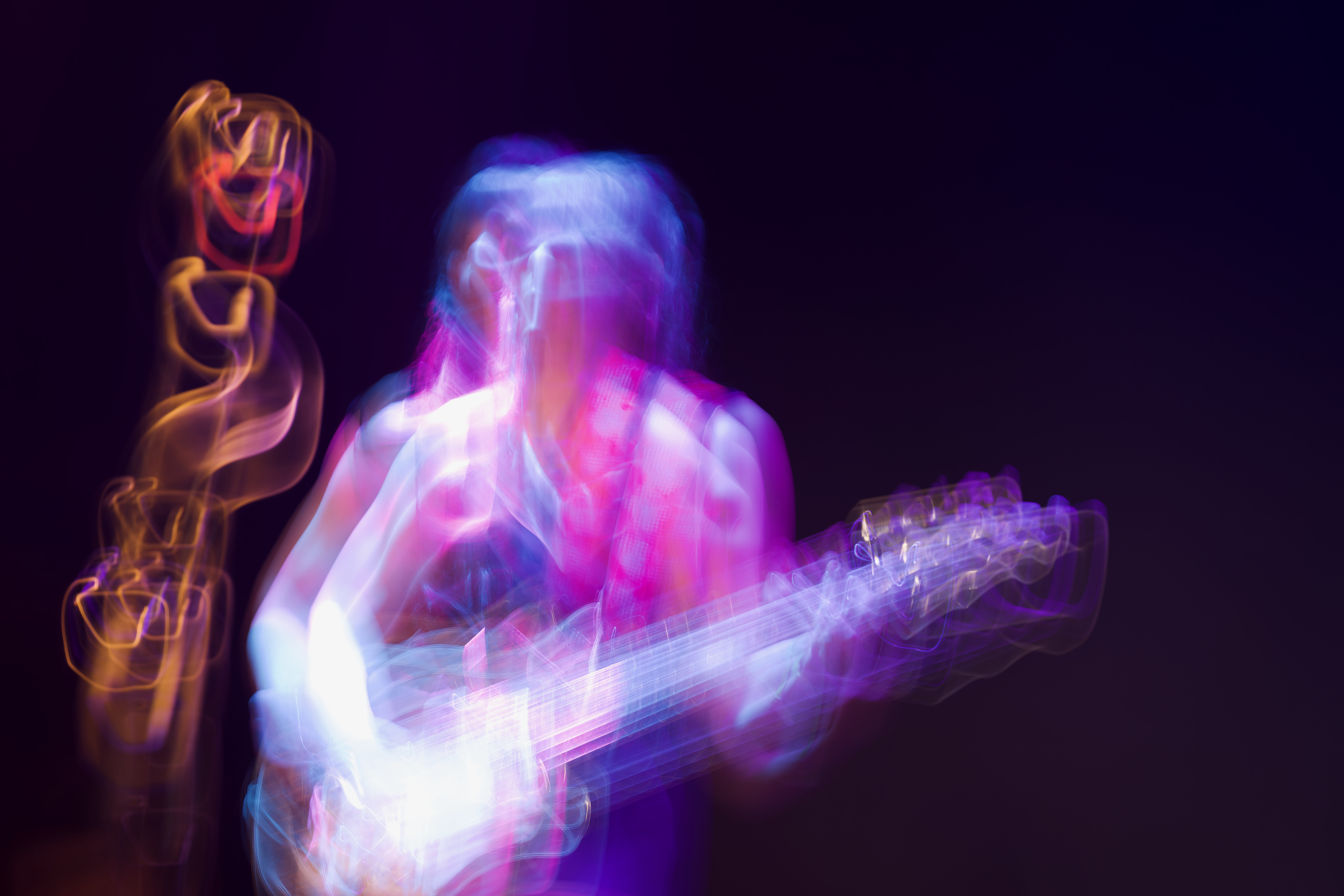
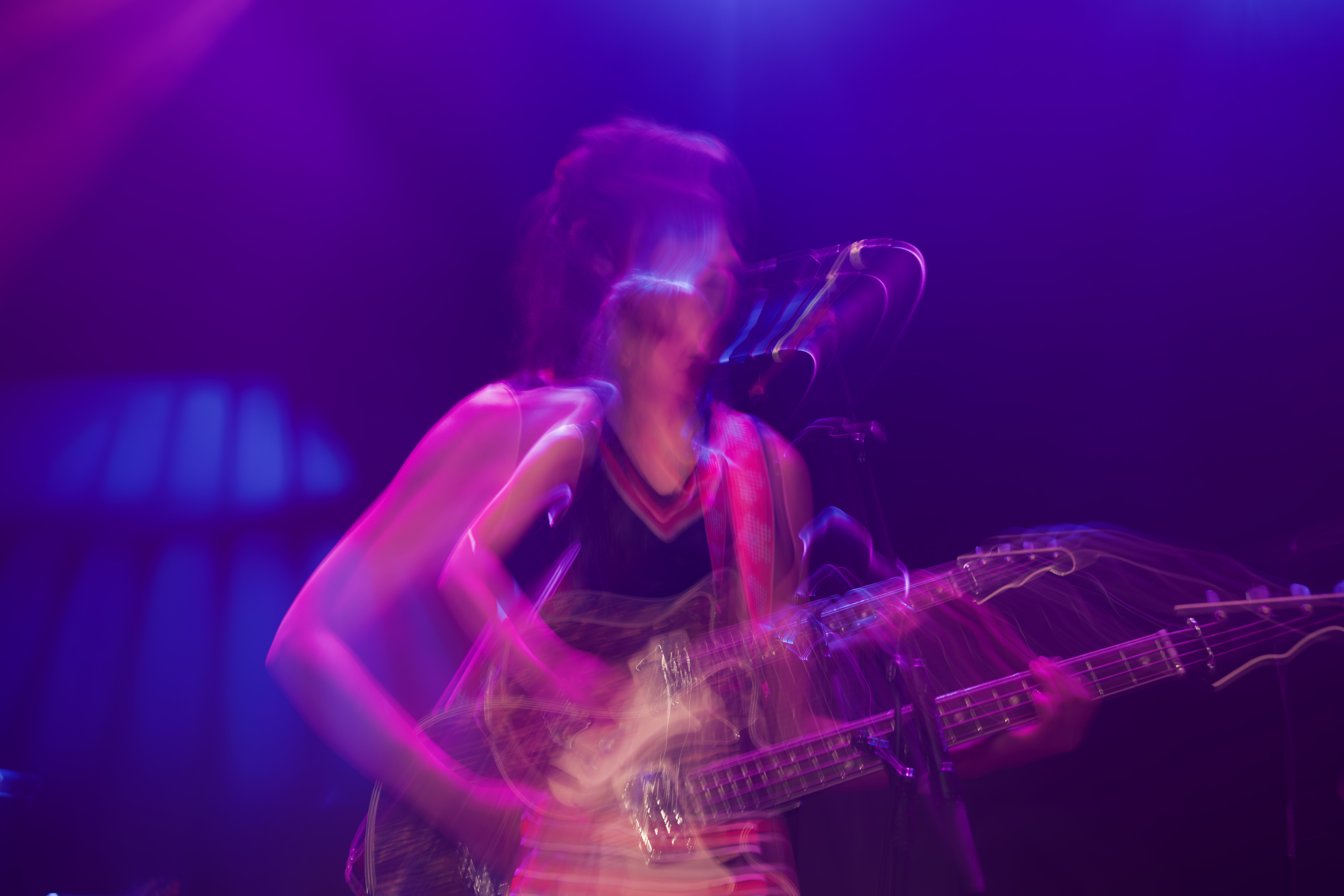
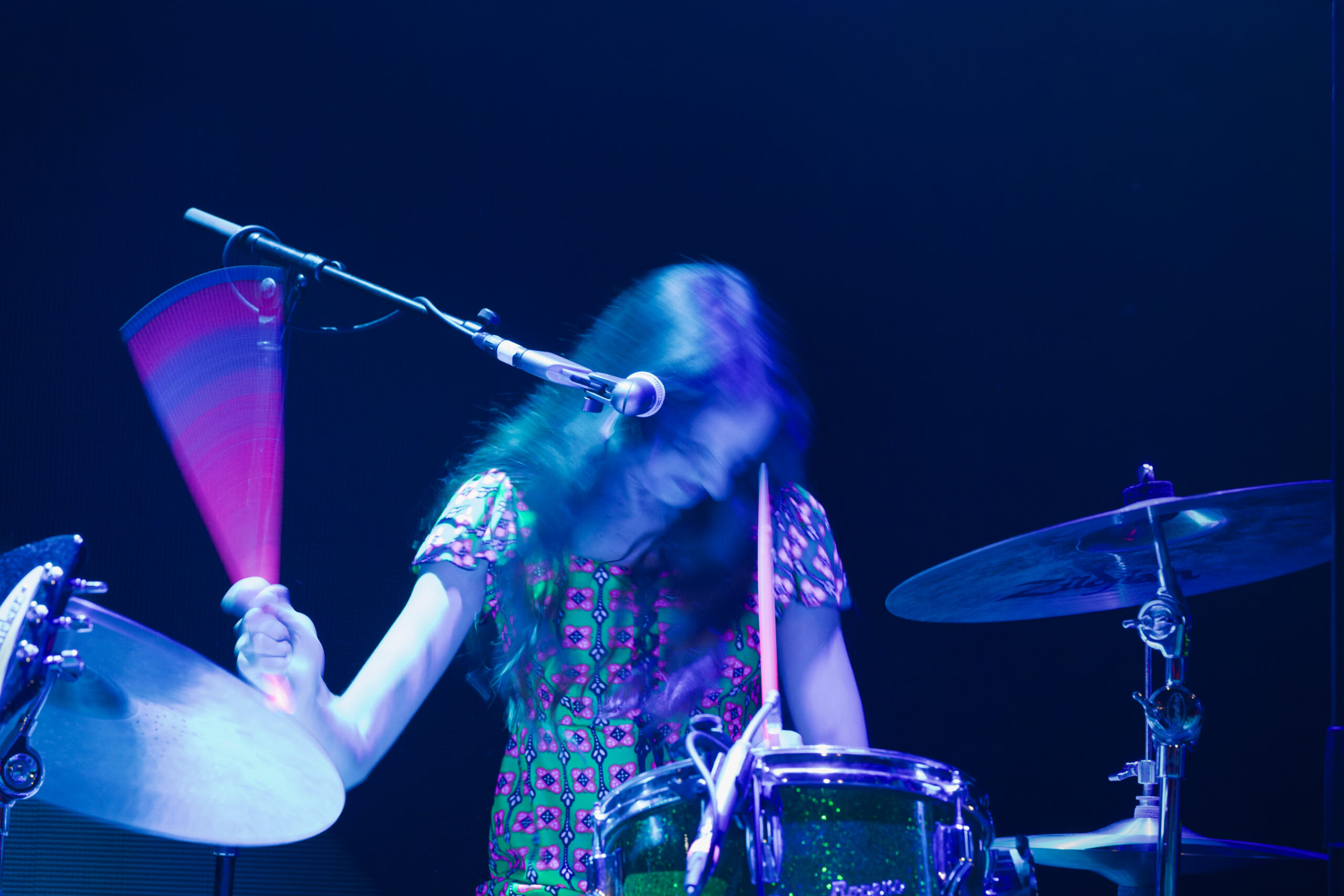
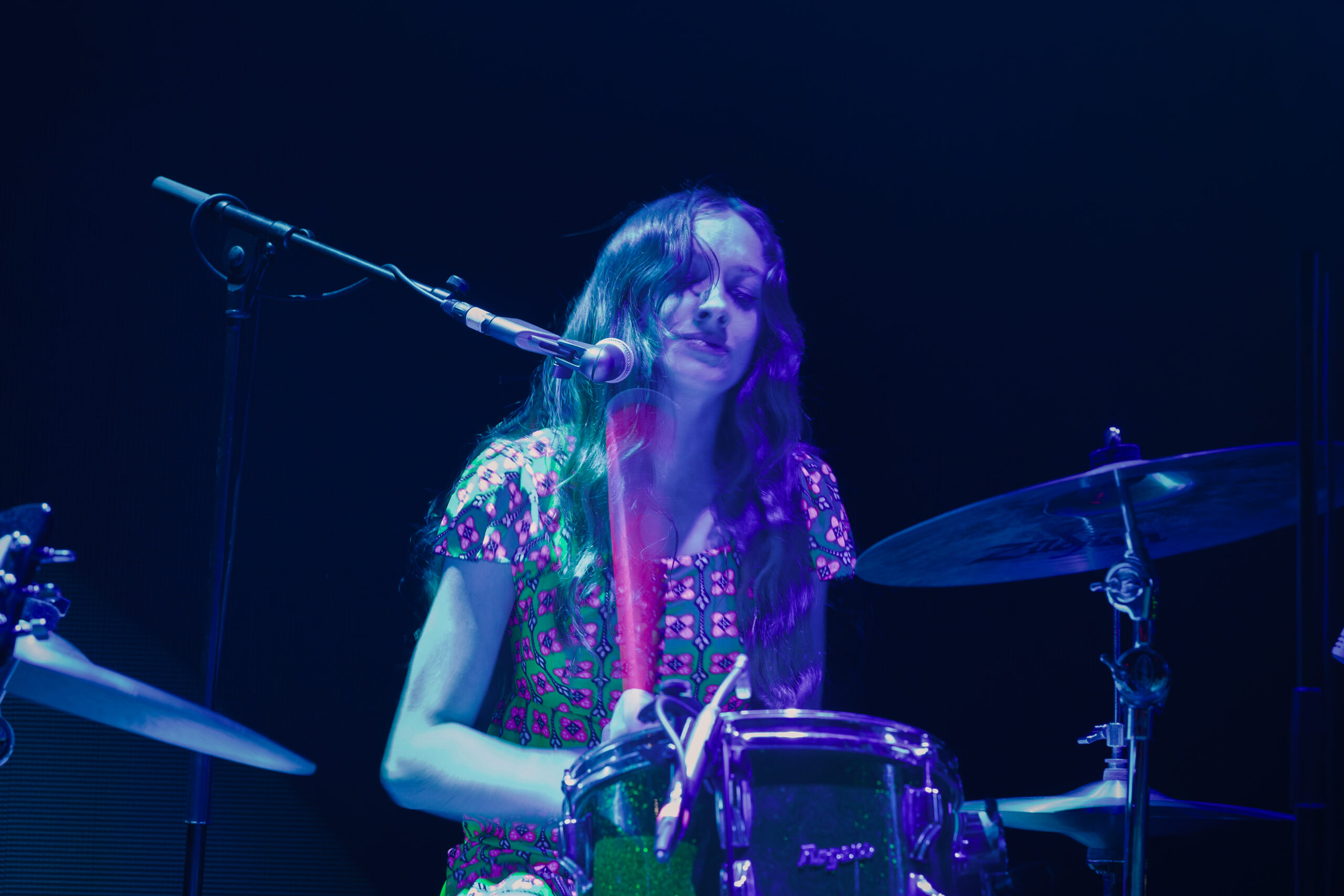
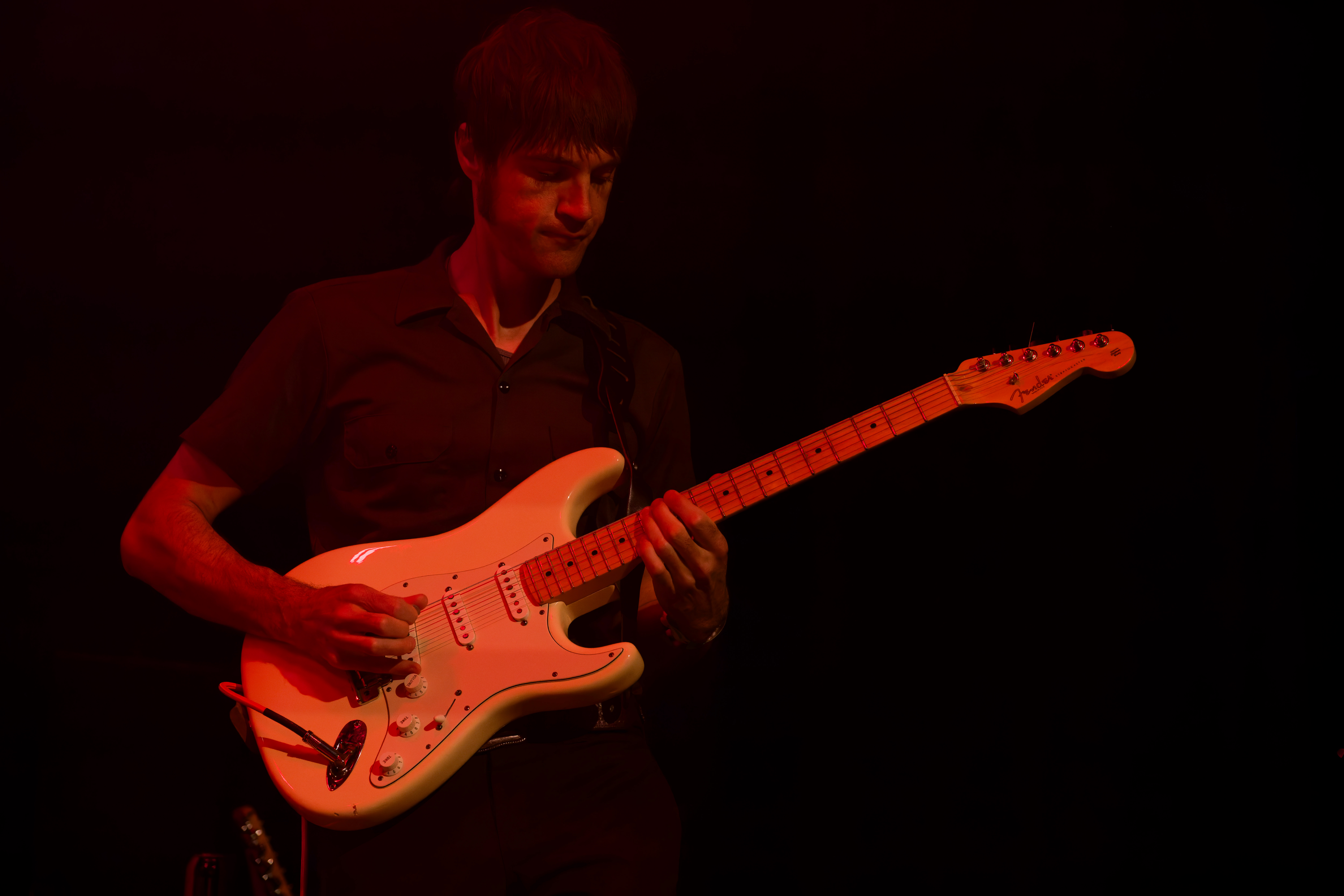
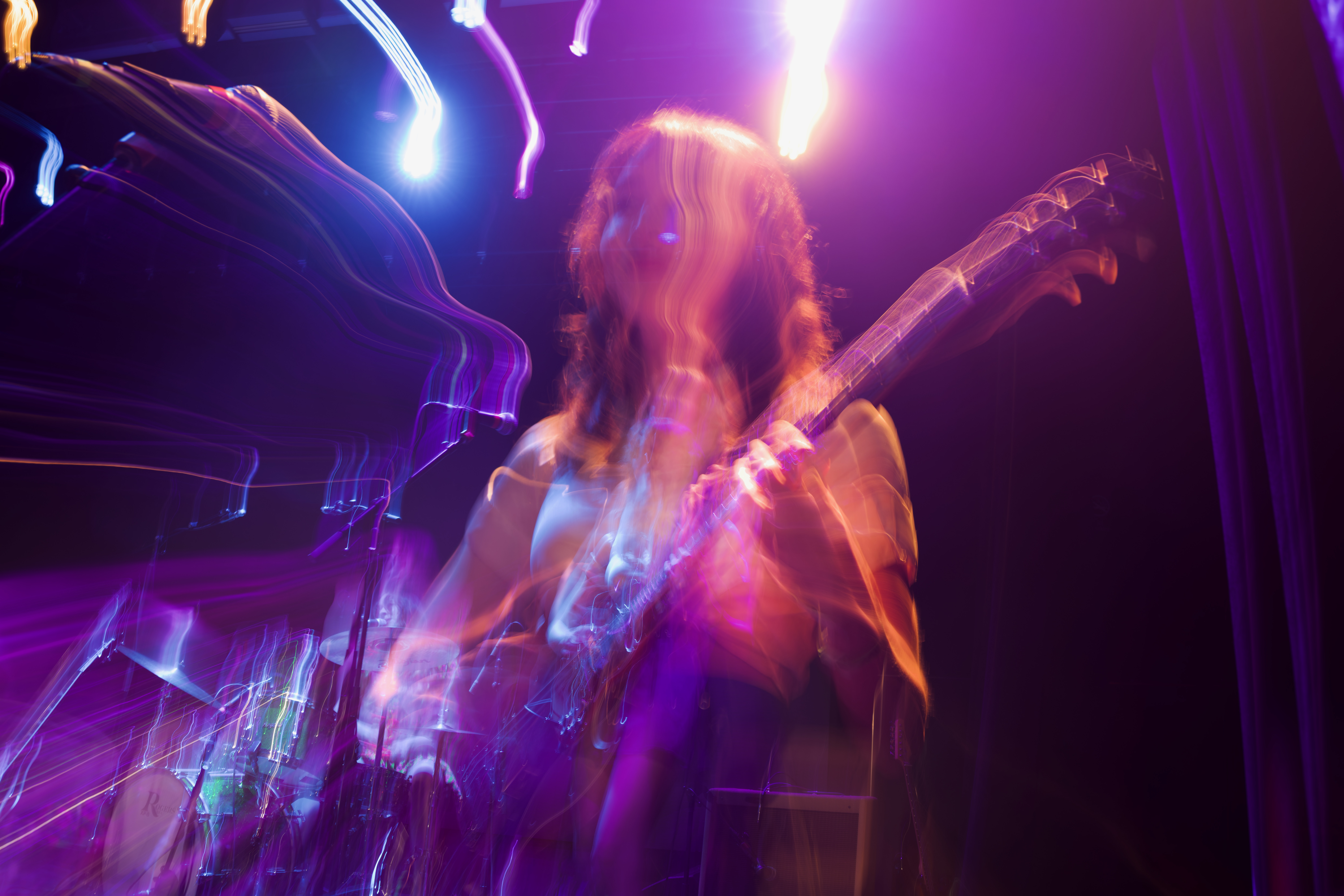
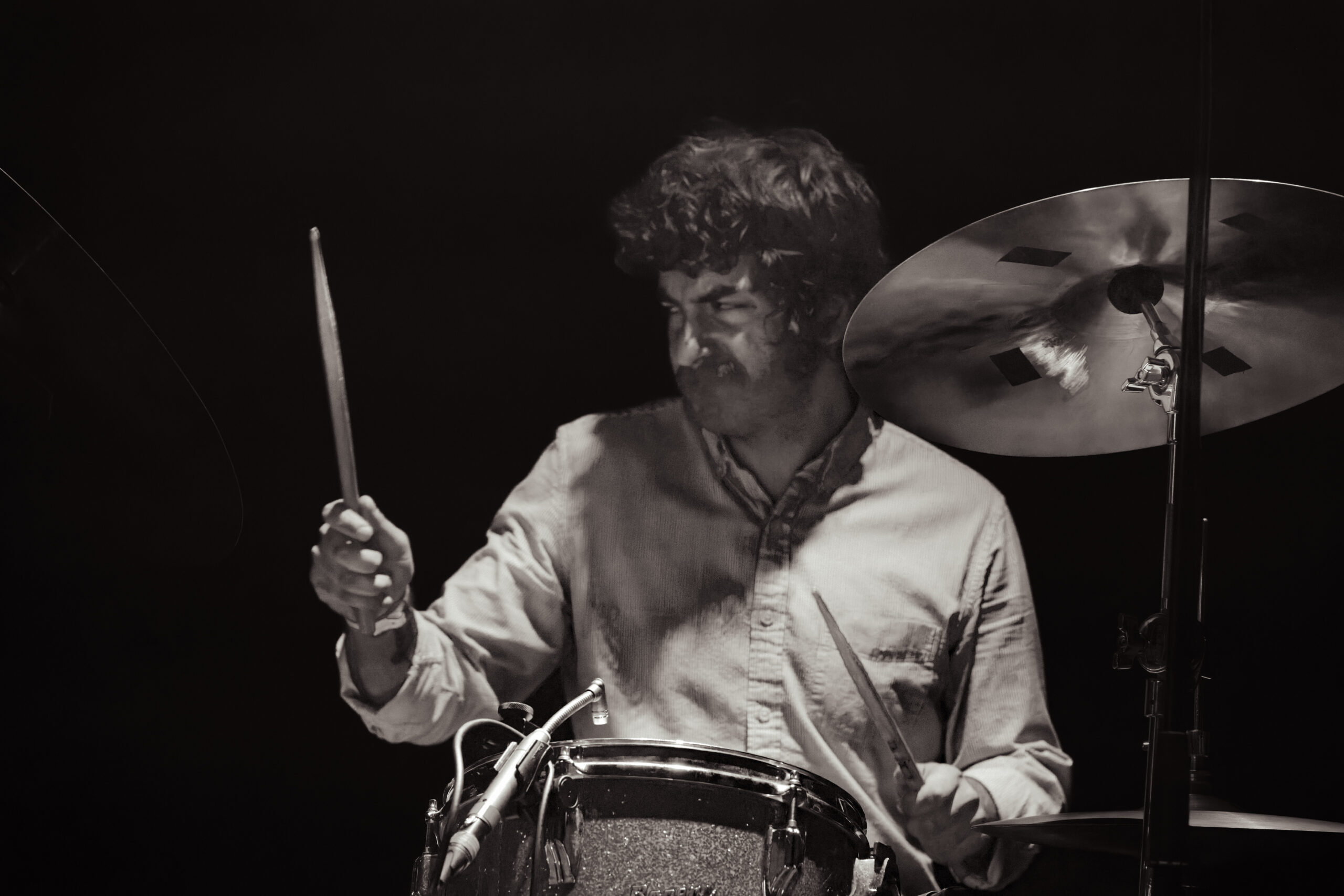
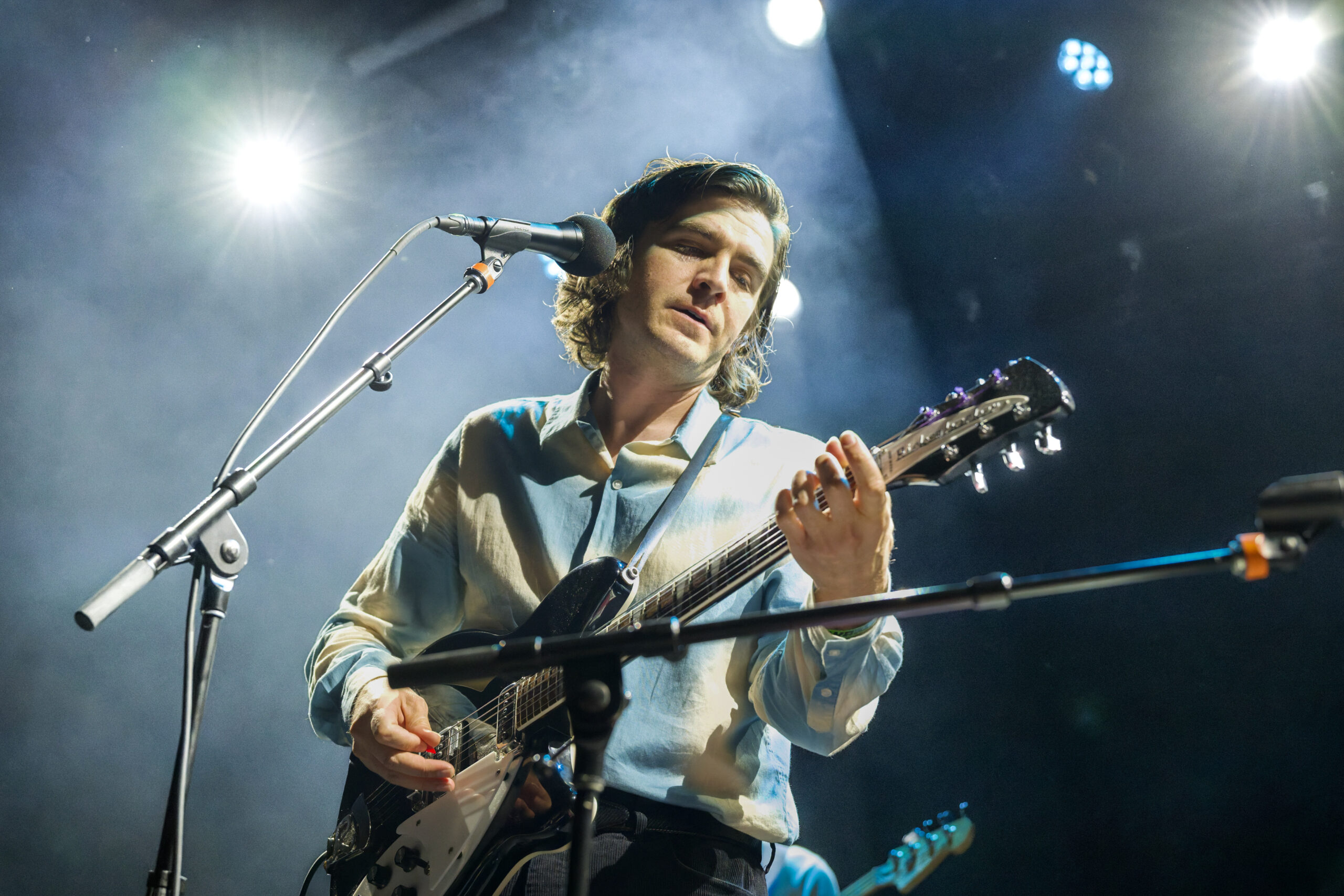
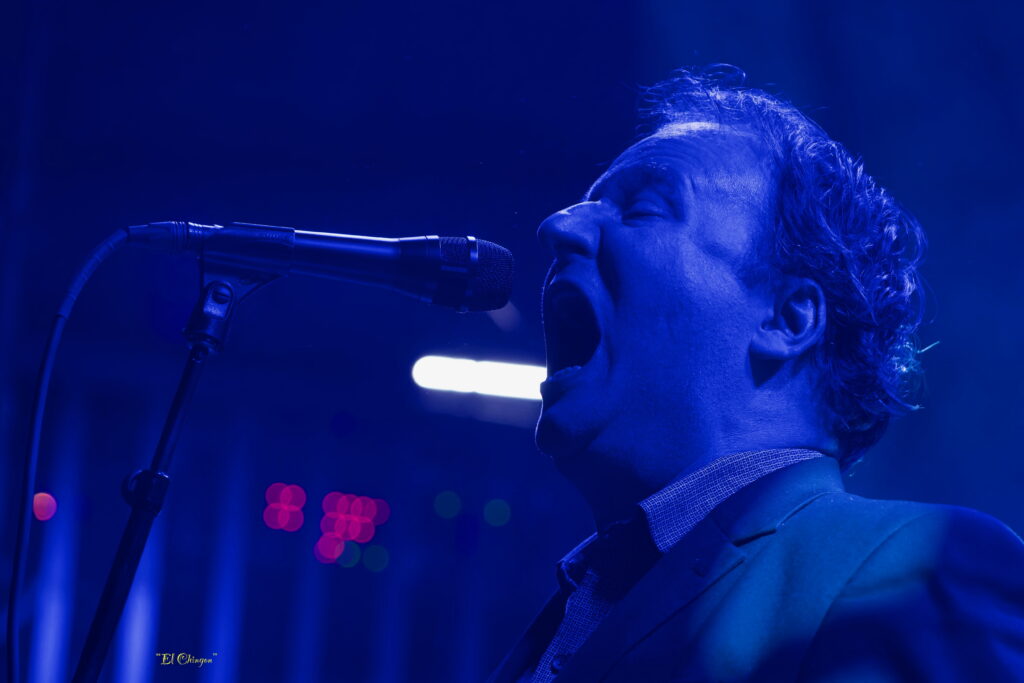
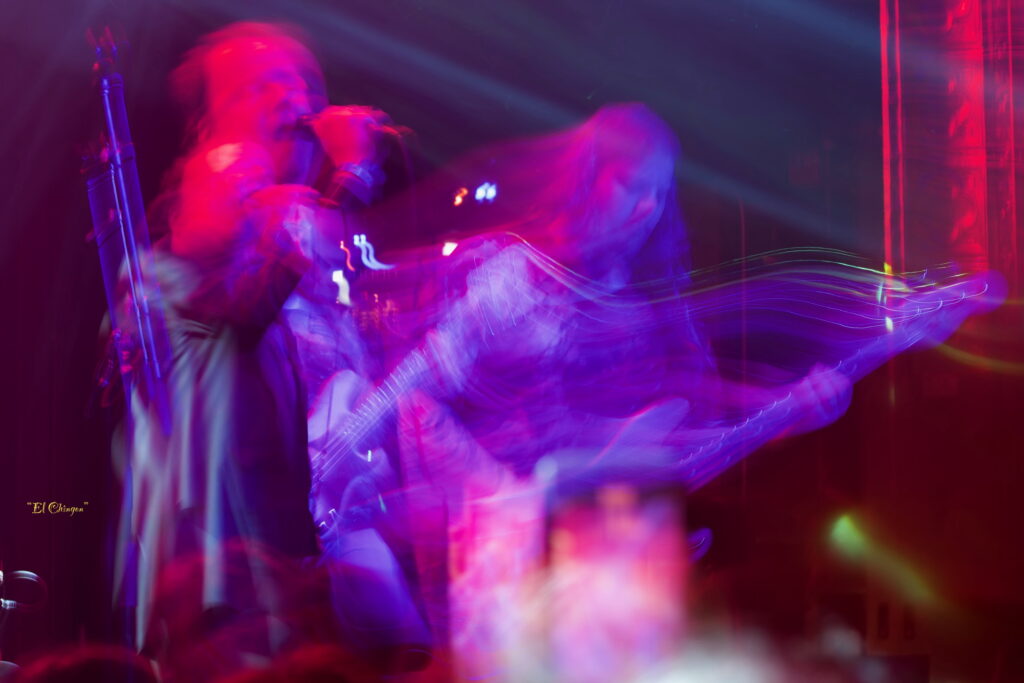
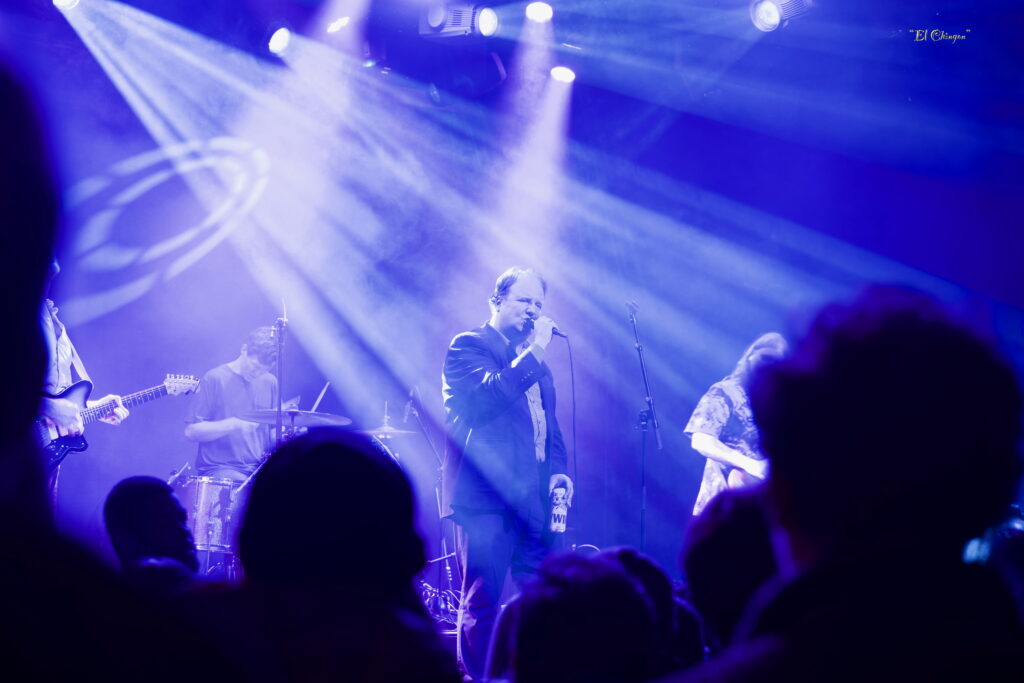
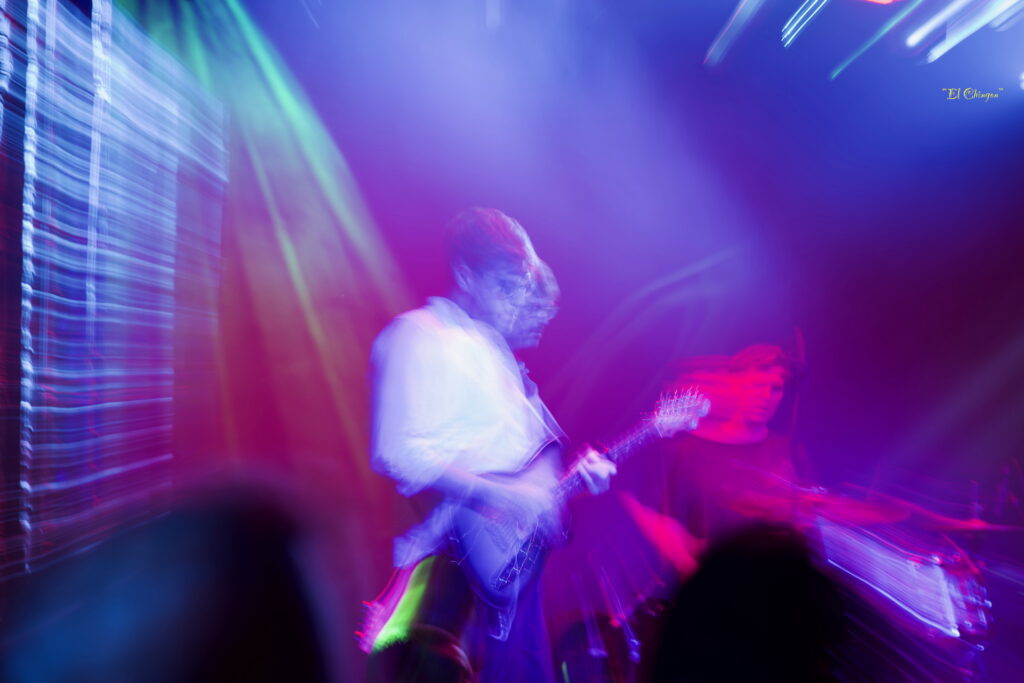
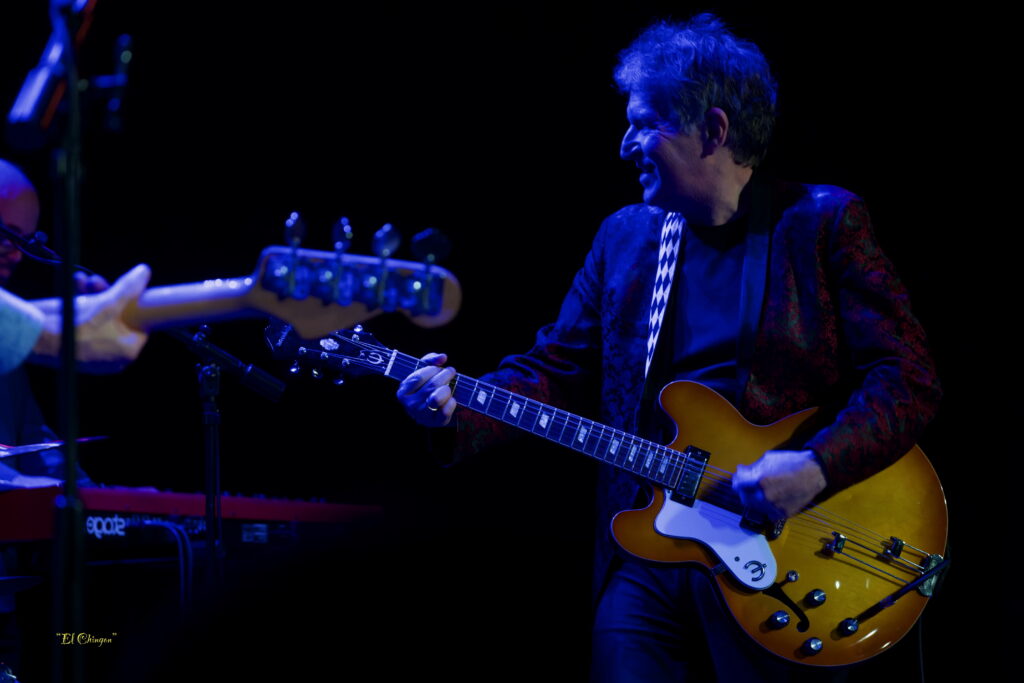
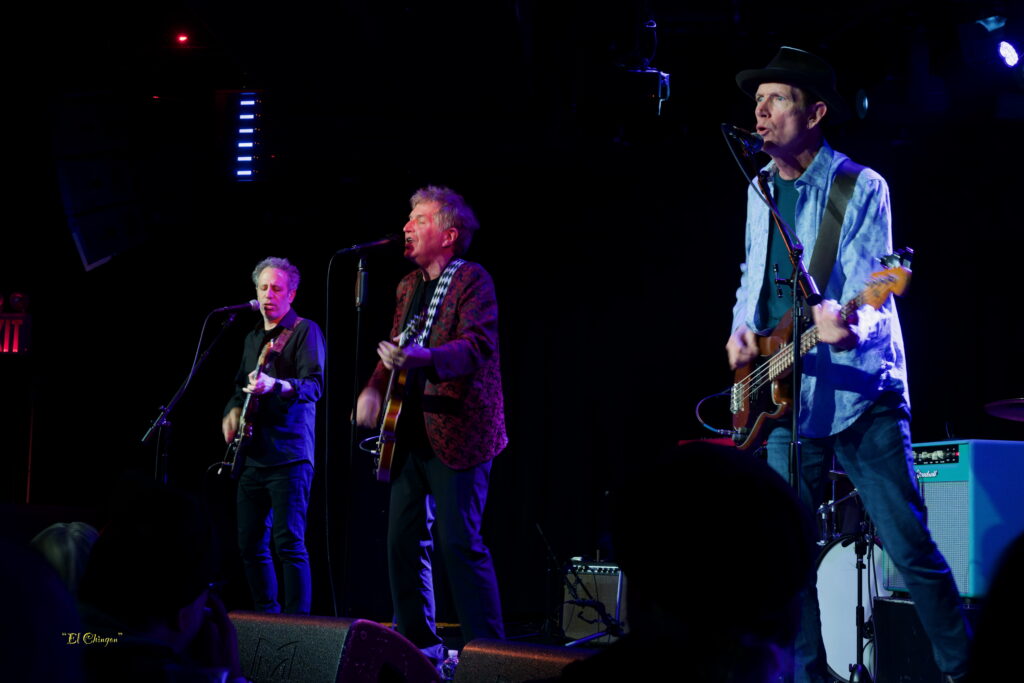
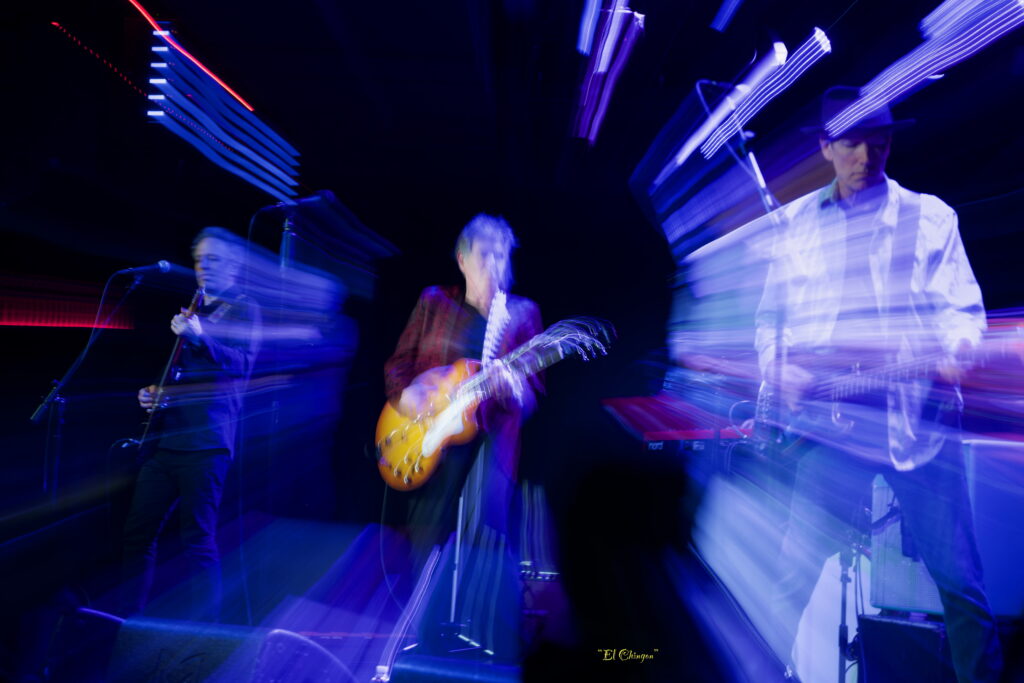
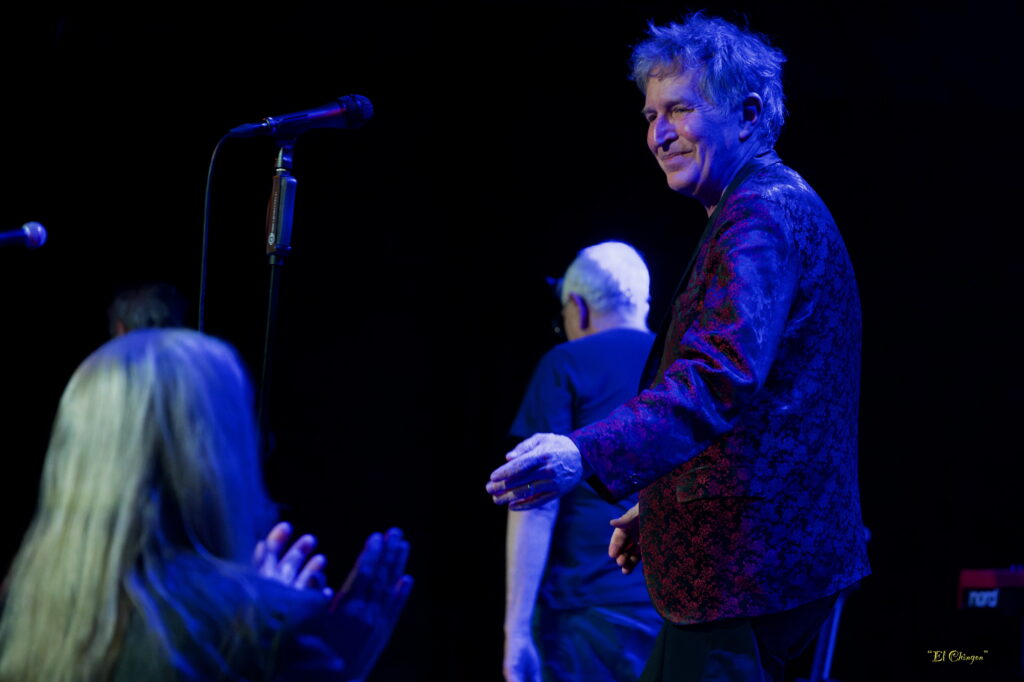
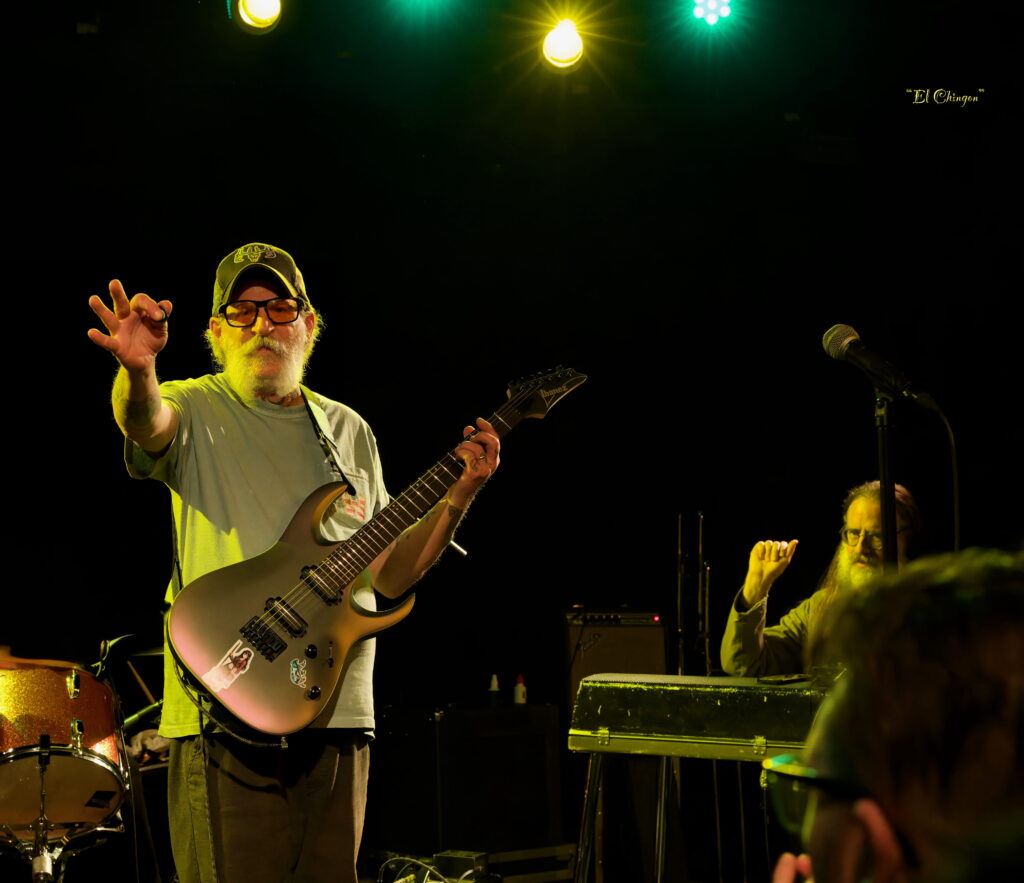
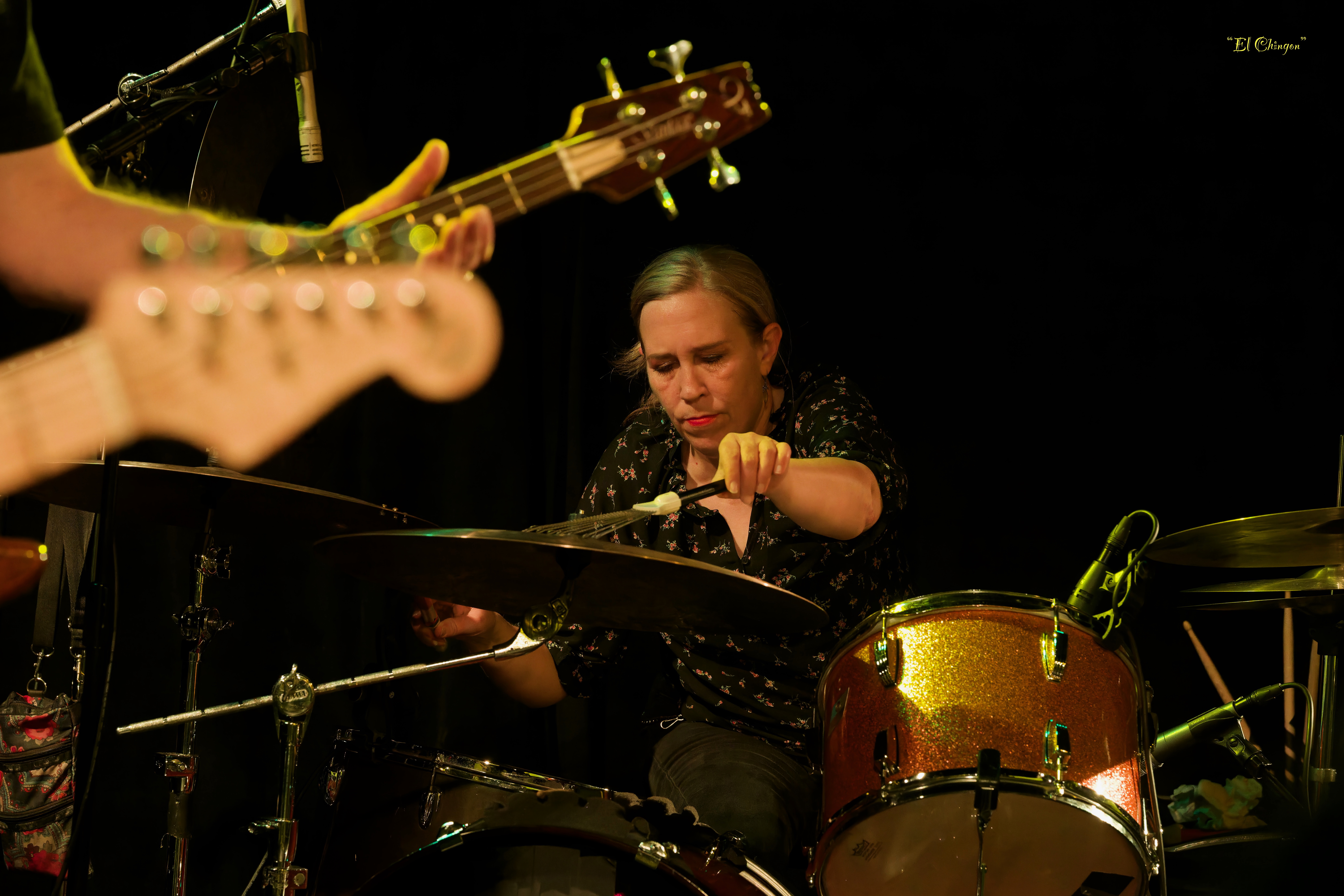
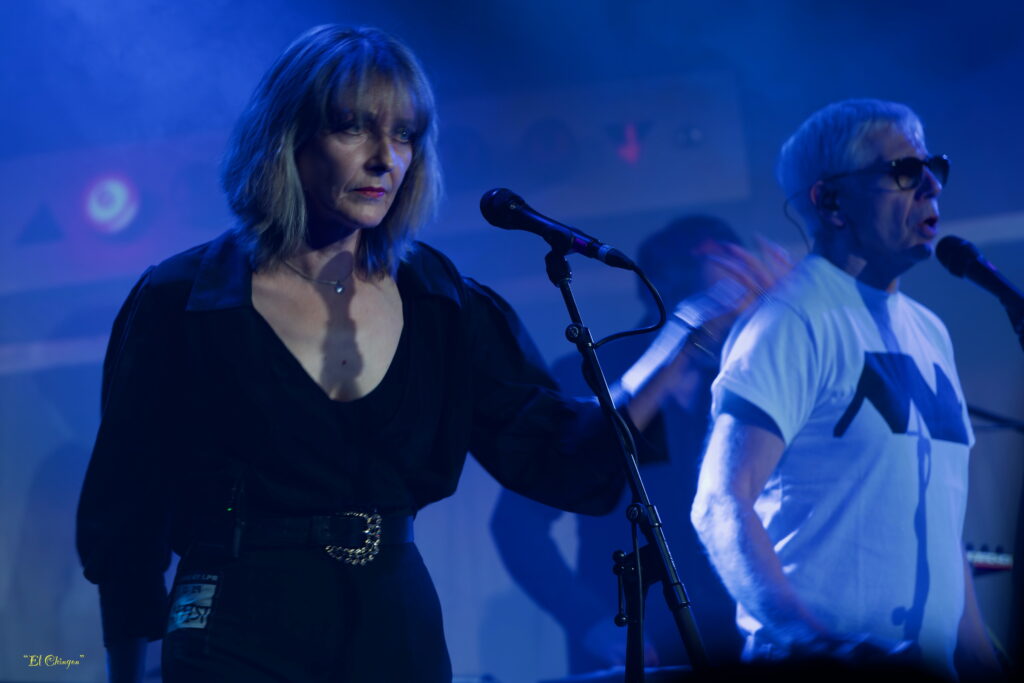
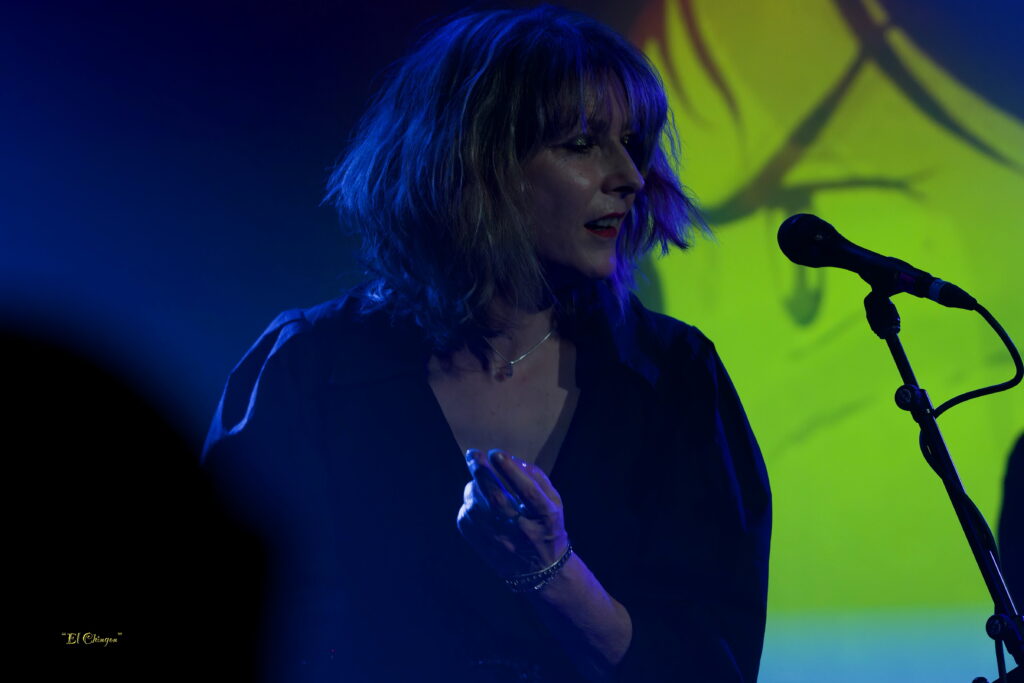
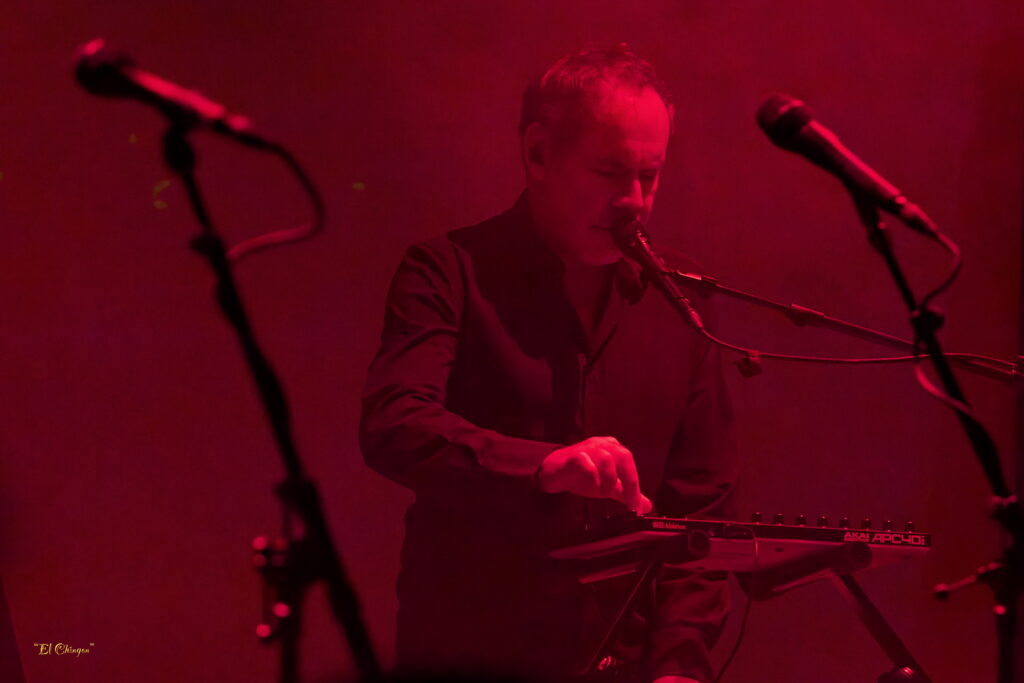
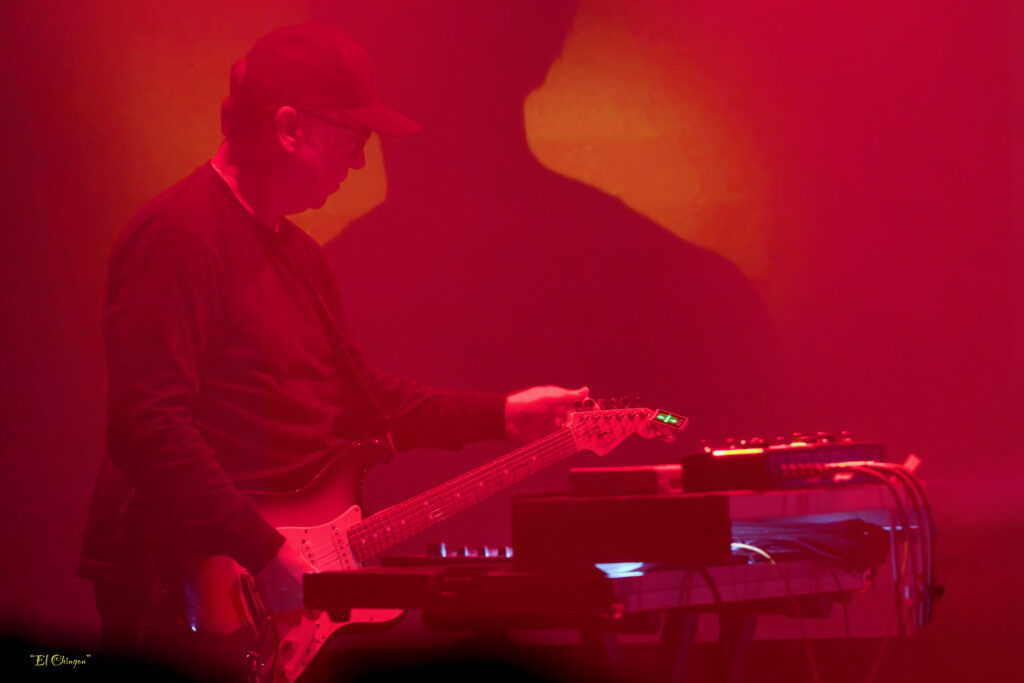
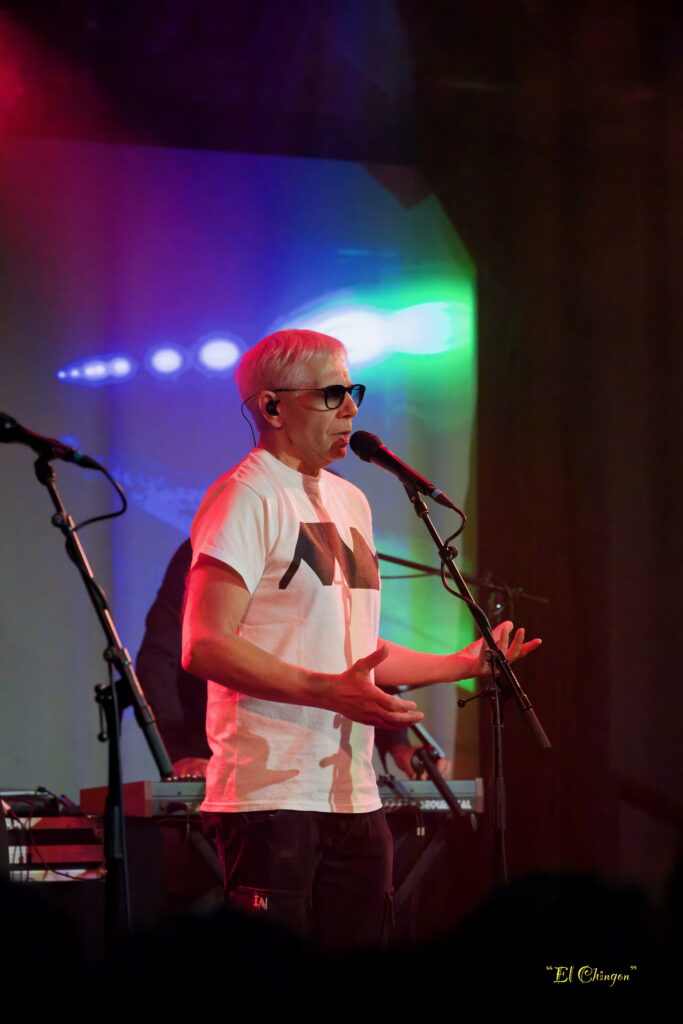
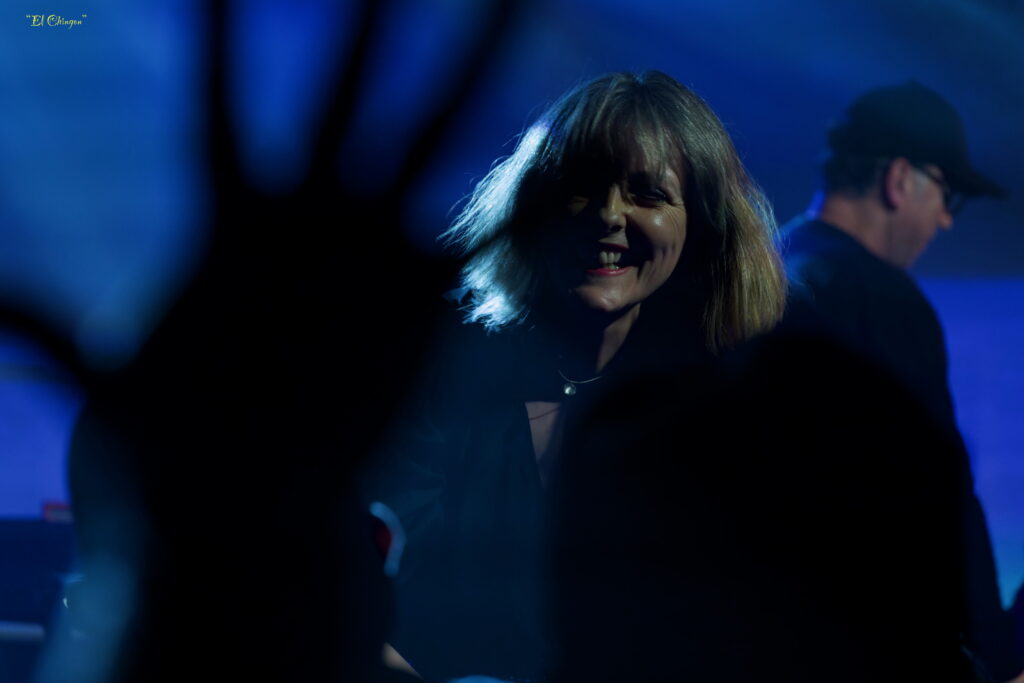
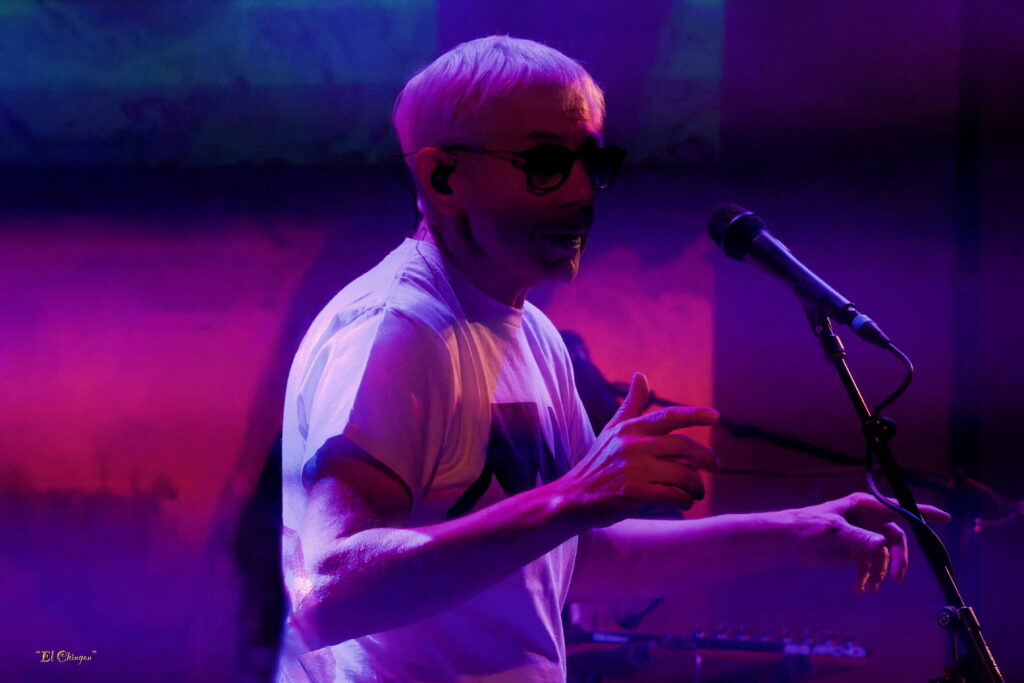
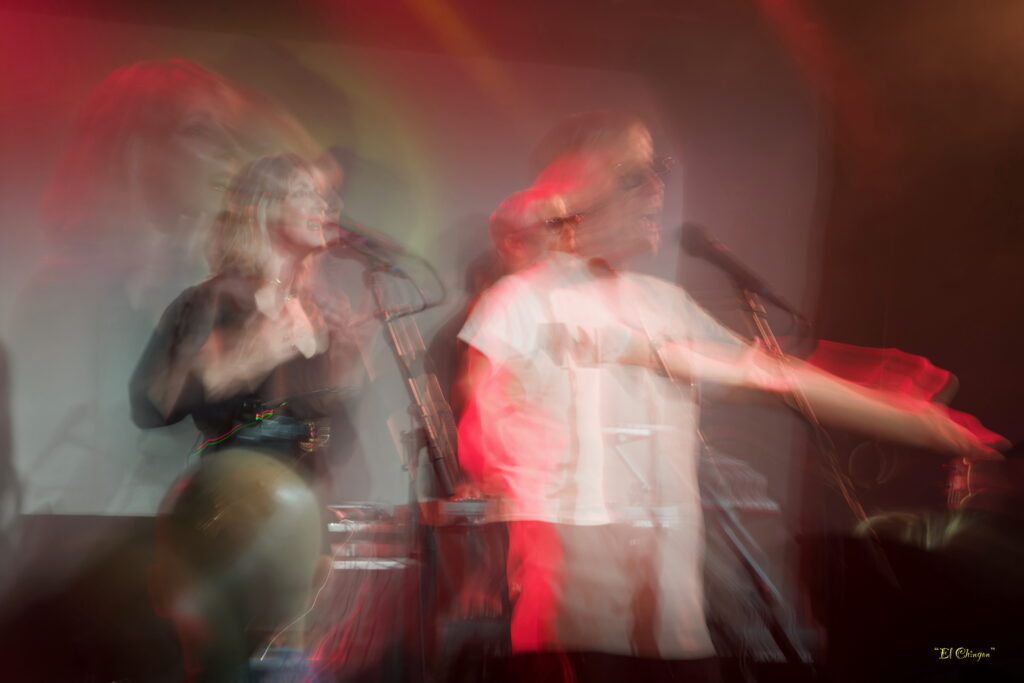
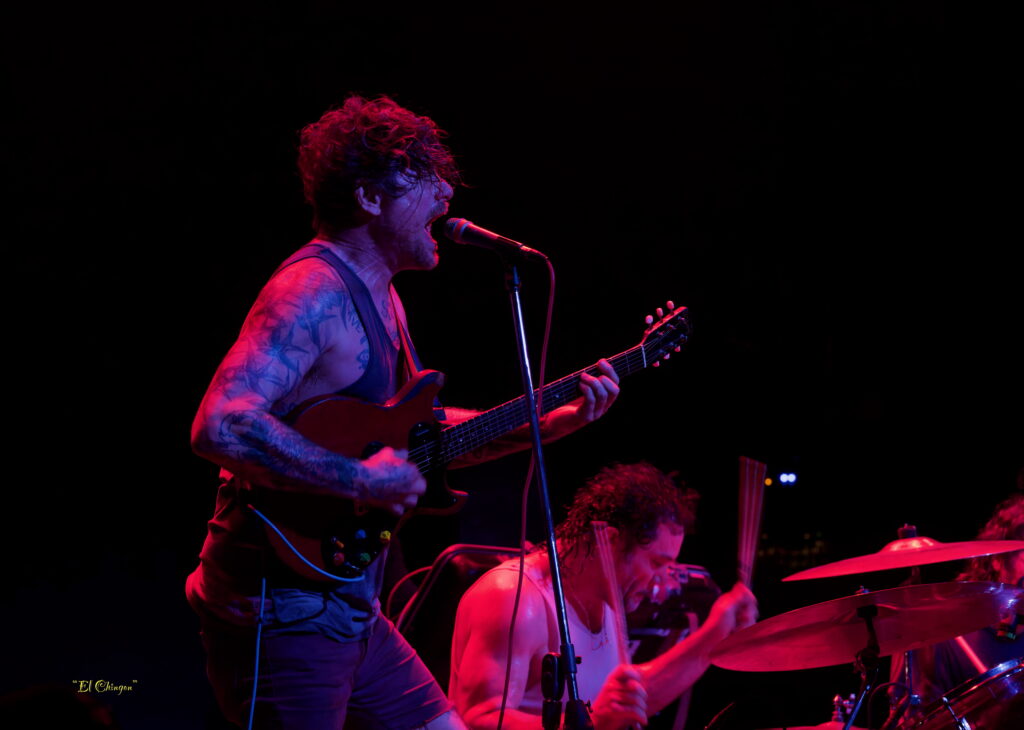
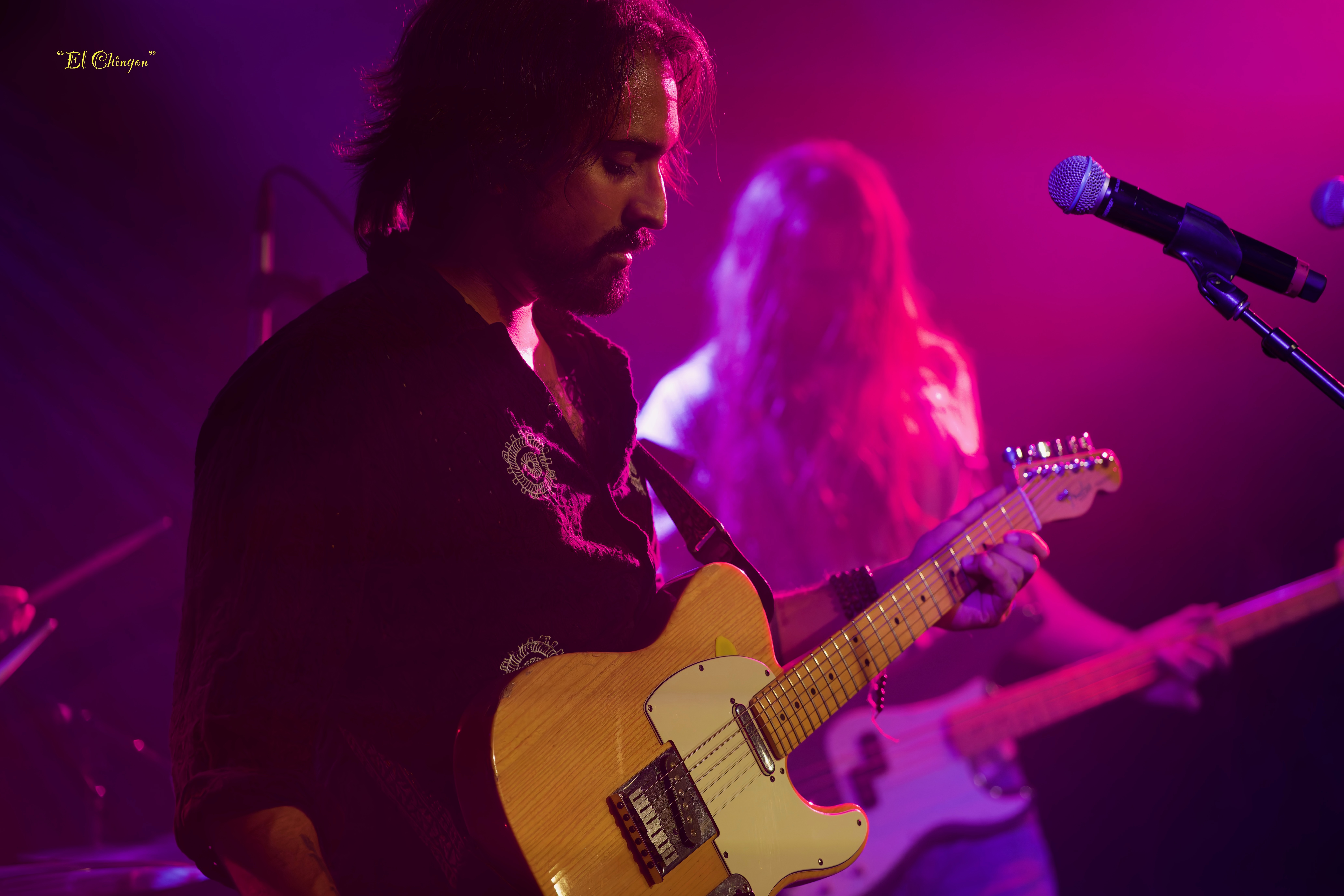
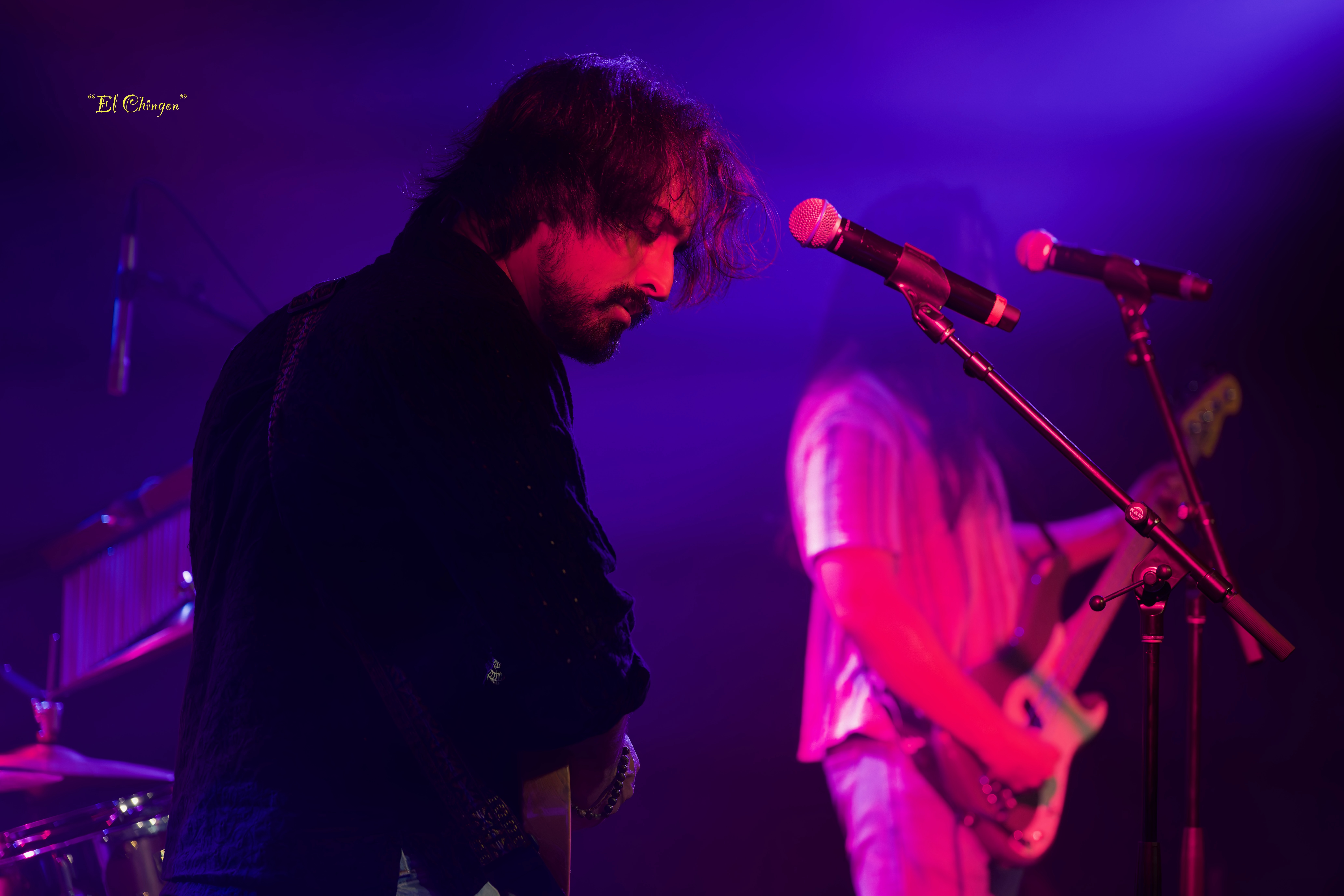
I walked into Chinese American Bear’s June 21, 2026 show at the Bowery Ballroom knowing almost nothing about the band. Sometimes those are the best concerts, and this proved to be one of them.
I brought along an American-born Chinese friend, and by the end of the evening we were both completely won over. What unfolded was far more than a concert. It was a celebration of culture, identity, language, humor, and exceptional musicianship wrapped inside an irresistibly joyful performance.
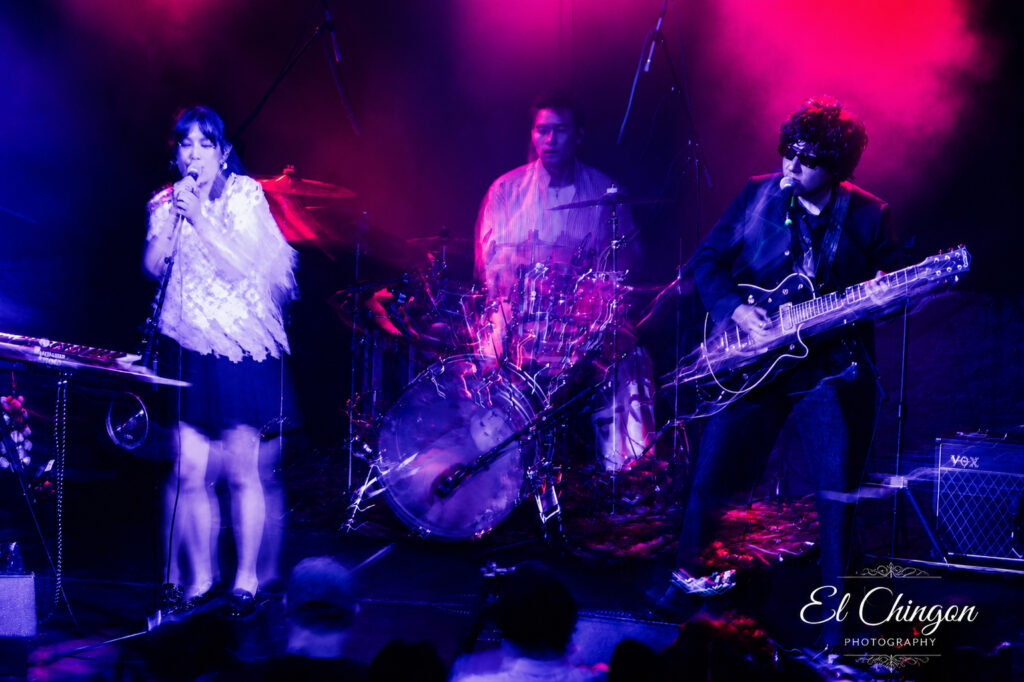
The evening opened with a Buddhist prayer that immediately established a thoughtful, almost meditative atmosphere. From there, Chinese American Bear launched into a set that effortlessly blended dream pop, psychedelia, funk, and disco. The band was remarkably tight throughout the night, creating lush soundscapes that felt both nostalgic and refreshingly original.
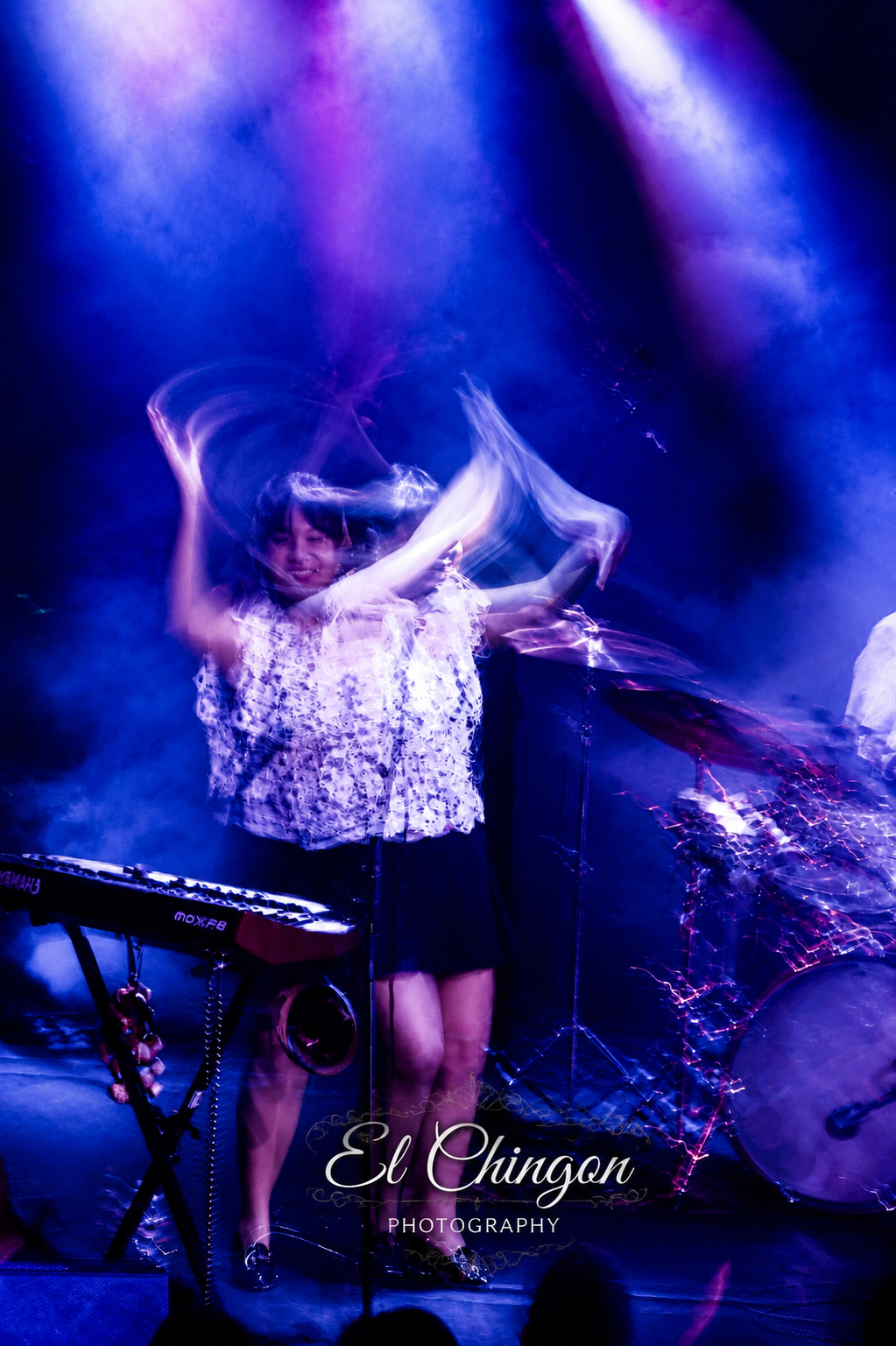
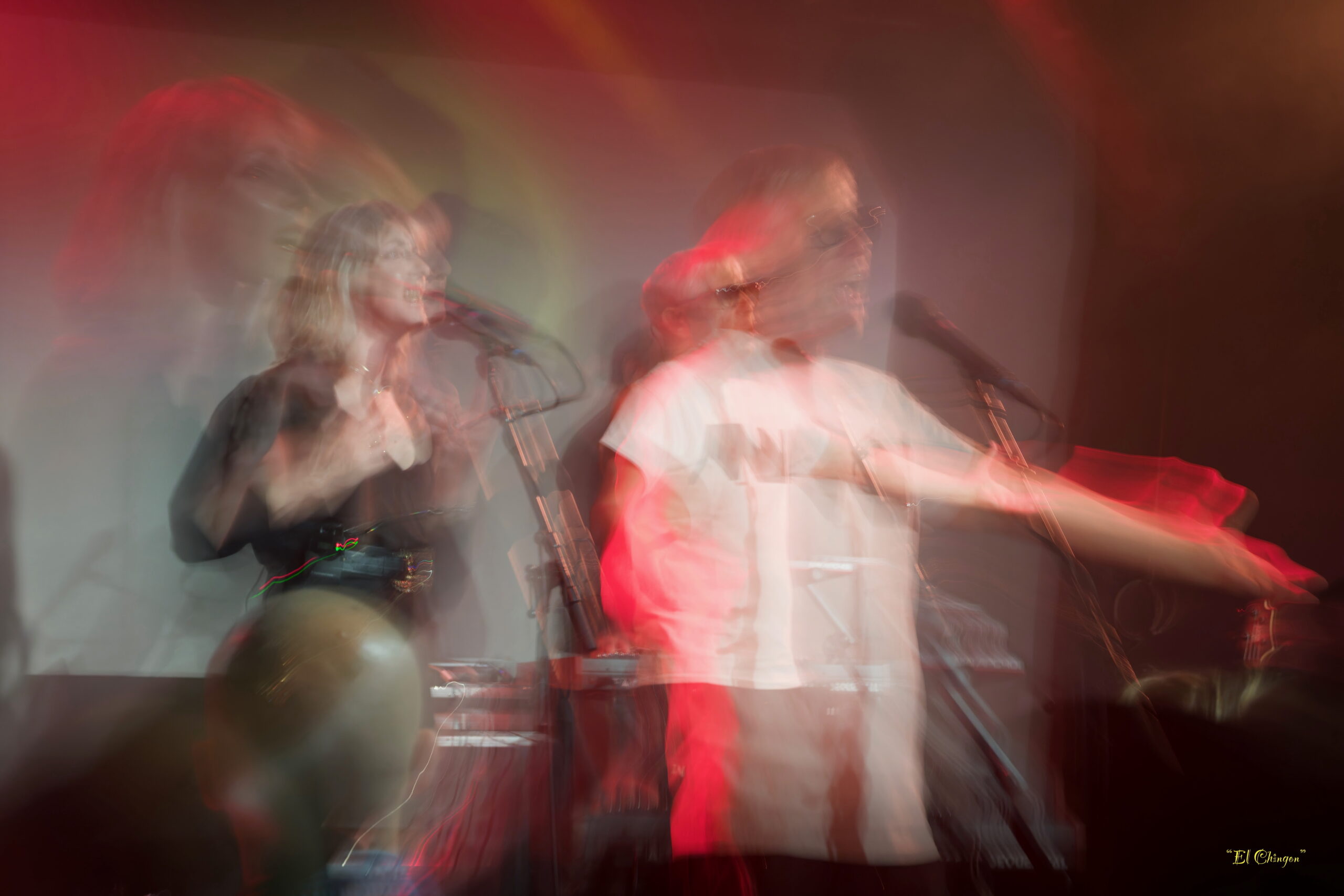
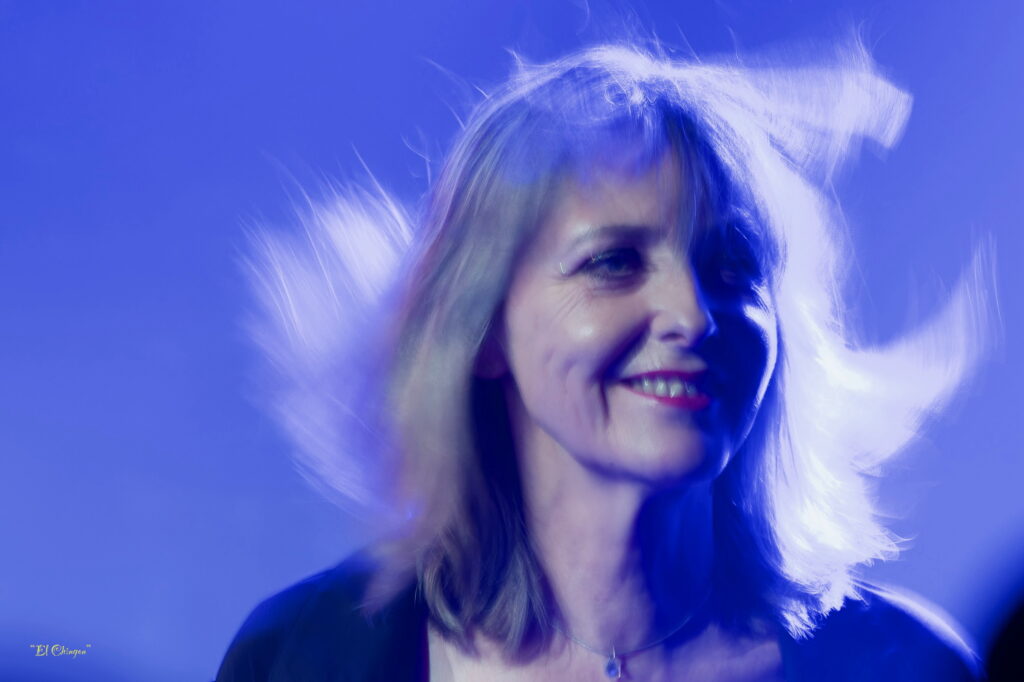
Frontwoman Anne Tong proved to be an utterly captivating presence. Between songs, she shared stories and observations about growing up Chinese in America, offering cultural insights that were both funny and deeply relatable. Discussions of language, family dynamics, and Chinese cultural traditions were seamlessly woven into the performance, adding layers of meaning beyond the music itself.
Having lived in China for twenty years, studied there, and been married to a Chinese woman, many of the references immediately resonated with me. Yet what made the show special was that you didn’t need that background to appreciate it. The audience enthusiastically embraced every moment, laughing along, dancing, and connecting with the stories being told.
There was an unmistakable sense of communal joy in the room. It felt as though someone had sprinkled fairy dust throughout the Bowery Ballroom, bringing together a diverse crowd through shared curiosity, humor, and music.
When the set ended, the audience erupted into thunderous applause, stomping feet and demanding an encore. Eventually the band returned, closing the night with “再见-Goodbye” a beautiful, magical finale to an unforgettable evening.
Chinese American Bear’s newly released album, Dim Sum and Then Some on Moshi Moshi Records, is now firmly on my listening list. If this performance is any indication, this is a band with a bright future and a unique artistic voice worth celebrating.
On Saturday, May 16th, 2026, Tchotchke and Cut Worms brought very different but complementary energies to Warsaw, turning the Brooklyn venue into a showcase for two bands operating from distinct corners of the American songwriting tradition.
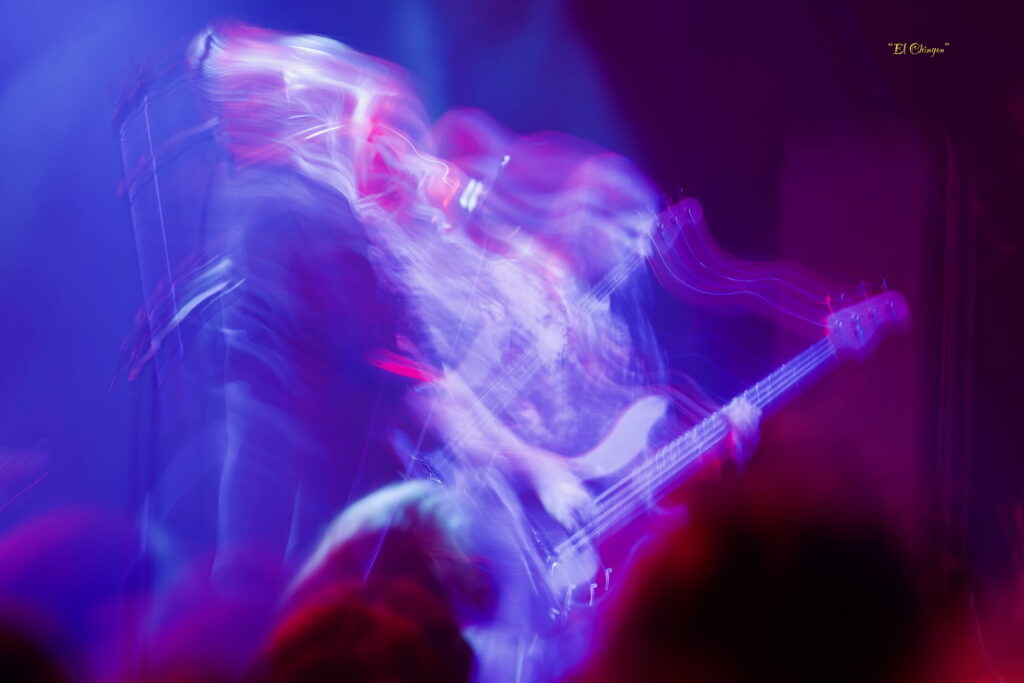
When Tchotchke took the stage, the room had not yet fully filled in, which felt like a genuine loss for anyone lingering at the bar or arriving late. The all-female trio delivered a set that revealed not only obvious talent, but the very real possibility of becoming something exceptional. Lead singer and drummer Anastasia Sanchez possesses a strikingly beautiful voice, airy yet controlled, and her ability to anchor the band rhythmically while carrying the melodies gave the performance its center of gravity. Guitarist Emily Tooraen and bassist Eva Chambers proved equally capable, locking into grooves that frequently channeled the spirit of vintage girl groups filtered through a garage-rock sensibility.
What worked most was that none of it felt overly curated or retro for retro’s sake. The aesthetic references came naturally, surfacing through melody and tone rather than costume or gimmick. At moments, the band hinted at echoes of 1960s sunshine pop colliding with downtown indie rock, and those flashes were genuinely exciting. Still, despite the undeniable charm and musicianship, the set occasionally lacked urgency. The songs drifted pleasantly rather than demanding attention, and while the textures were appealing, there wasn’t quite enough tension, danger, or sonic unpredictability to fully challenge the audience.
The potential, however, is unmistakable. Tchotchke feels like a band standing right at the edge of a breakthrough, needing only a producer or collaborator capable of sharpening the contours and introducing a little more bite into the arrangements. What’s missing is that lingering feeling — the kind of performance that follows you out of the venue and sends you immediately back to the records. The foundation is absolutely there; now the band needs to push further into its own identity and discover the edge that will make the music truly haunt people.
By the time Cut Worms took the stage, the crowd had settled in fully, and the atmosphere shifted into something warmer and more communal. It became immediately obvious why the band has cultivated such a devoted following among listeners who gravitate toward the earthy sincerity of Wilco, The Jayhawks, and Golden Smog. Their music is deeply heartfelt, rooted in a timeless Americana tradition that avoids both irony and performative authenticity. There is no false patina to what they do.
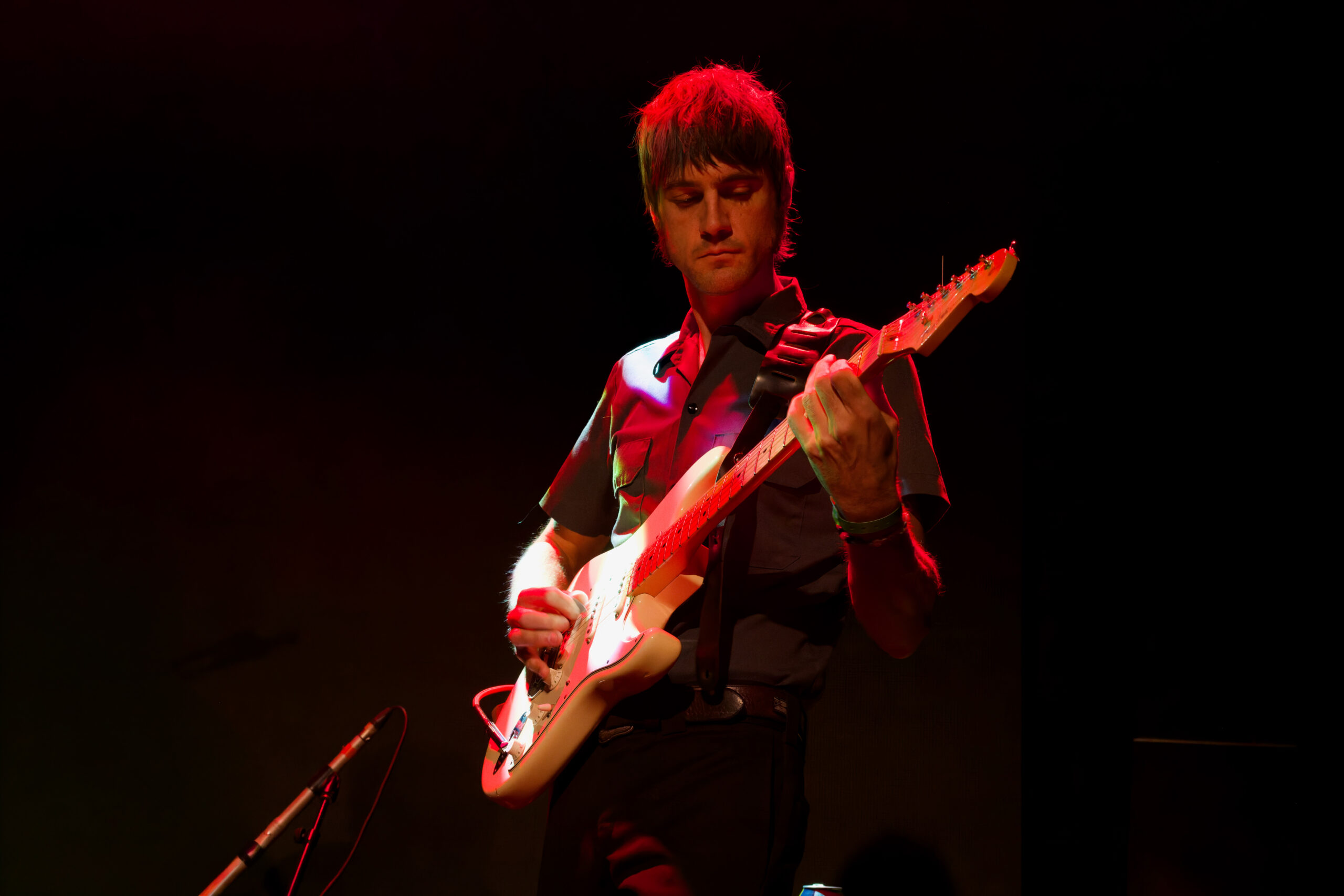
Frontman Max Clarke continues to establish himself as one of the more compelling contemporary songwriters working in this lane, carrying traces of Townes Van Zandt, Gram Parsons, and Chris Bell without feeling derivative. His songs arrived with emotional clarity and melodic warmth, offering, for a couple of hours at least, relief from the exhaustion and anxiety of contemporary American life. The entire band played with restraint and sensitivity, never overpowering the material but steadily coaxing each song forward with confidence and care.
What lingered after the set was not spectacle but emotional honesty. Cut Worms understand the enduring power of classic songwriting and know how to deliver it without nostalgia becoming the main attraction. By the end of the night, they had firmly earned a place on my radar, and I left Warsaw genuinely eager to hear what the new album will bring.
— Review and all photos by Jonathan Levitt, May 22, 2026
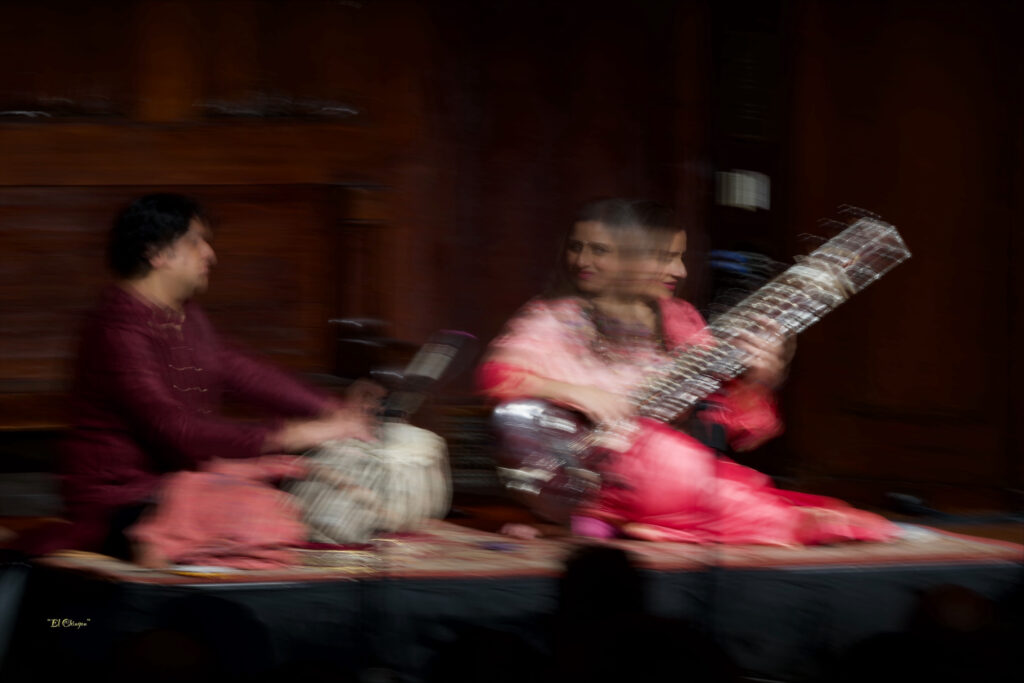
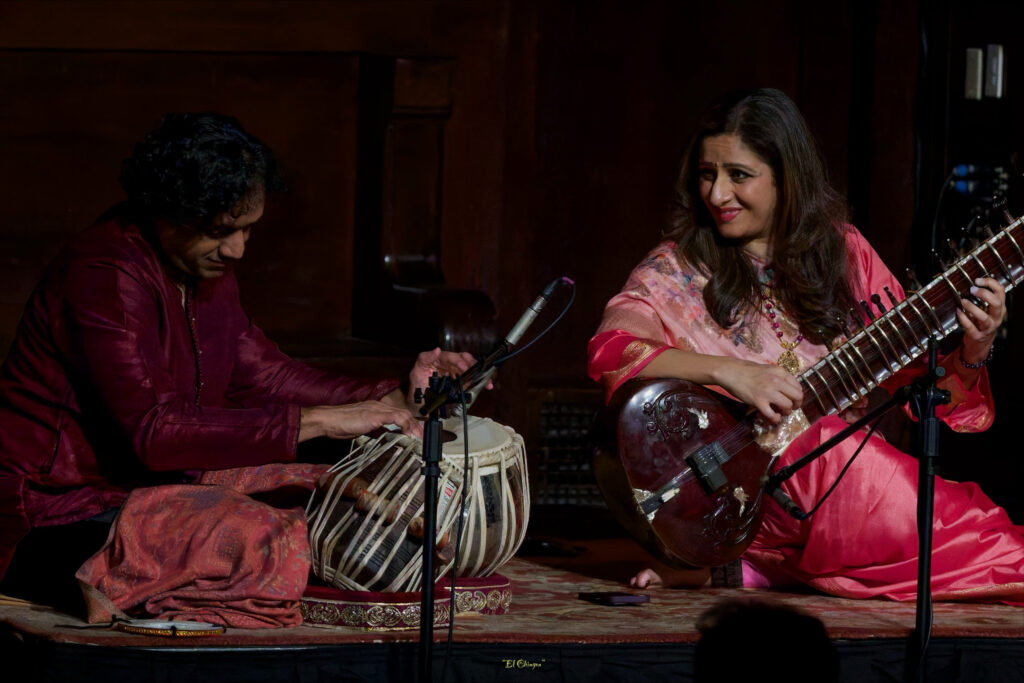
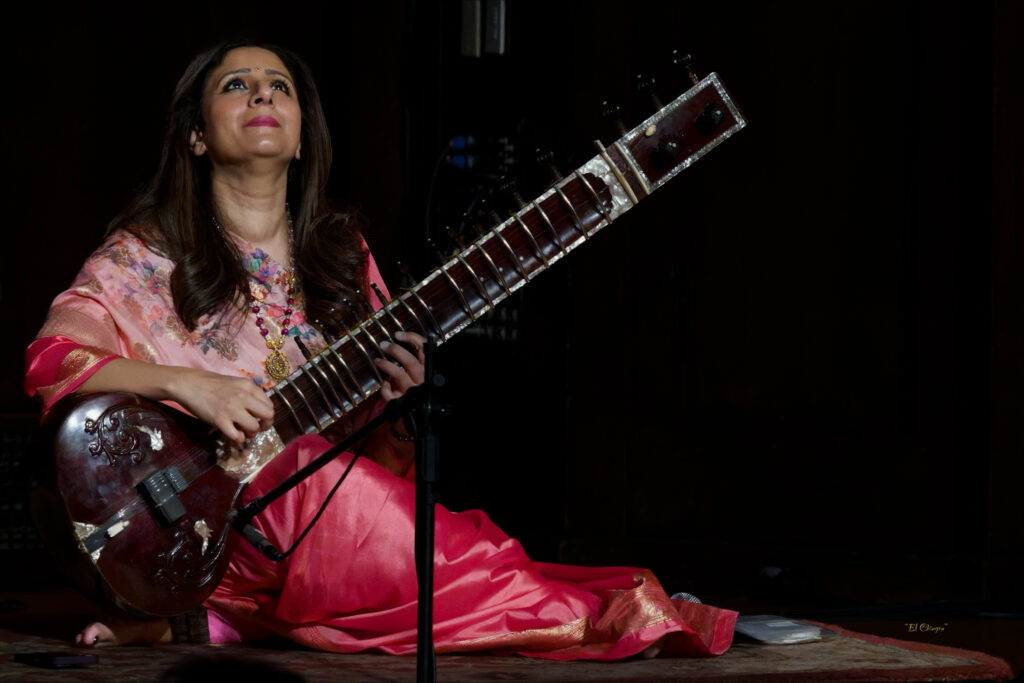
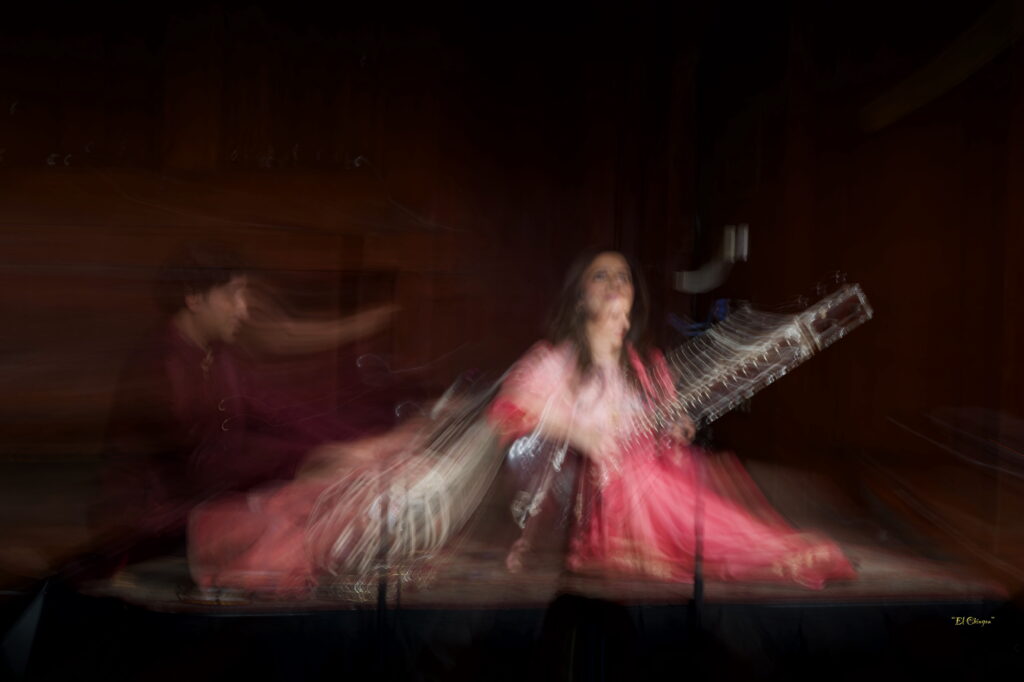
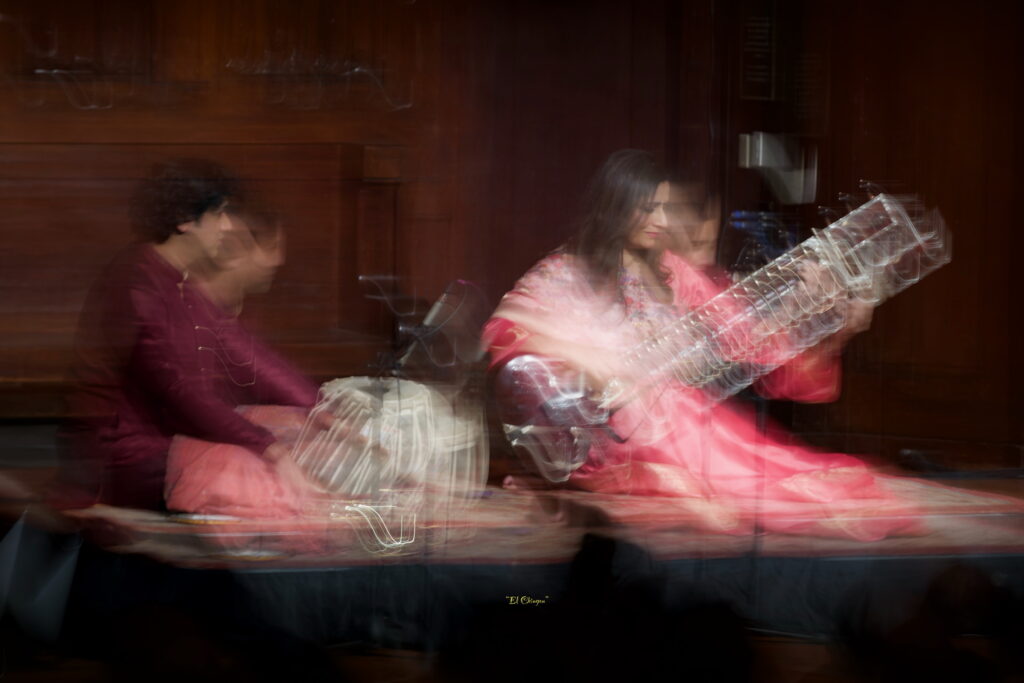
Roopa Panesar’s concert at the Society for Ethical Culture in New York City was an immersive, deeply moving experience that reaffirmed the irreplaceable power of live music. Presented in two distinct halves, the evening unfolded less like a conventional concert and more like a guided journey—one that carried the audience inward, toward contemplation, and outward again, toward ecstatic release and communal unity.
From the opening moments of the first half, it was clear that this was music designed to breathe, to evolve patiently over time. Each piece revealed itself gradually, beginning in quiet, meditative passages that invited stillness and attentive listening. Panesar’s sitar playing was subtle and teasing at first, the phrases unfolding with restraint and poise, allowing space for reflection. These contemplative moments were not static; they felt alive, gently shifting, like light moving across water. As themes developed, there was a palpable sense of anticipation, a slow tightening of focus that drew the listener further into the music’s inner logic.
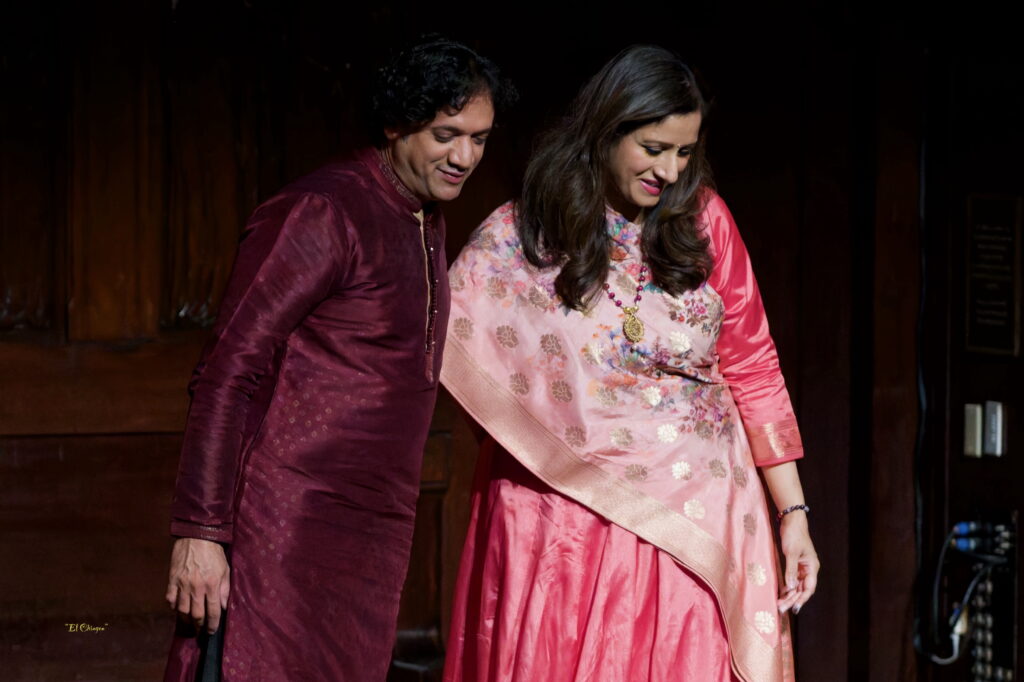
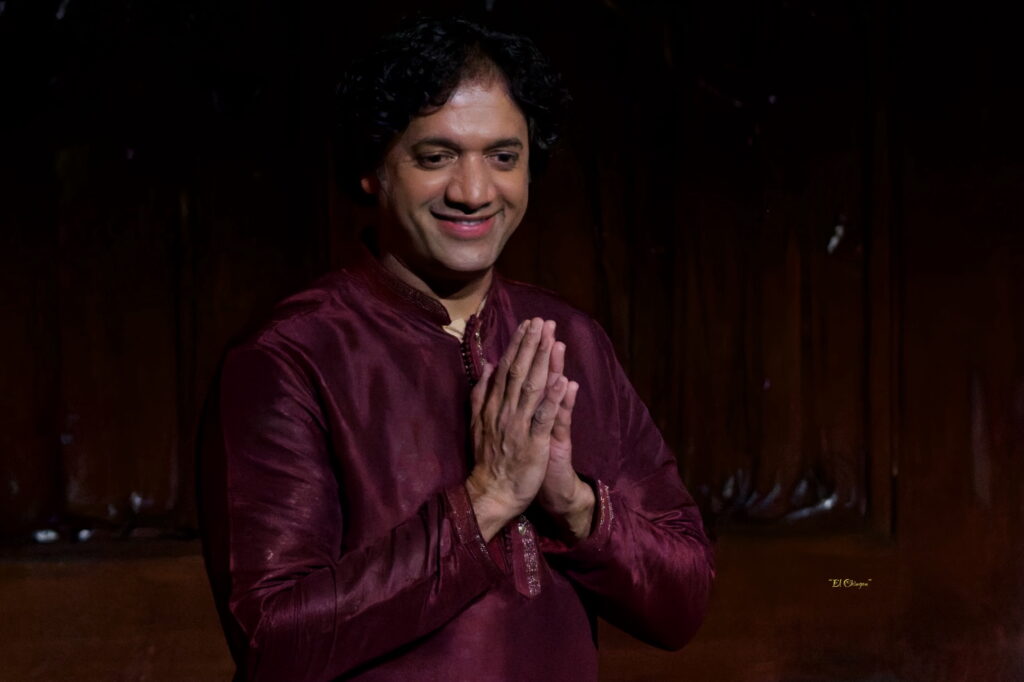
Central to this experience was the masterful interplay between Panesar and tabla player Nitin Mitta. Seated next to one another, the two performers shared an intimacy that went beyond technical precision. There was a visible and audible shorthand at work—a glance, a slight change in phrasing, a rhythmic cue—that allowed them to follow, lift, and evolve with each other through every piece. Mitta was far more than a rhythmic anchor. His playing possessed a fluidity and depth that added emotional gravity, particularly in the resonant, liquid bass tones that emerged at key moments. These sounds seemed to ground the music, anchoring the listener even as Panesar’s sitar lines soared and spiraled.
As each composition progressed, the music built toward crescendos that felt both inevitable and thrilling. The rush of excitement as tempos quickened and patterns became more intricate was undeniable. Yet even at the ecstatic highs, there was never excess. Mitta’s tabla never overpowered Panesar’s sitar; instead, it framed and amplified it, creating a dynamic balance that allowed the music to crest without losing its clarity or grace. At moments of particular intensity, the audience erupted in spontaneous applause—an instinctive response to the shared recognition that something extraordinary was unfolding in real time.
The second half of the concert felt like a natural continuation and deepening of the first. If the opening set invited introspection, the latter half expanded outward, embracing a sense of ecstasy and connection that felt almost elemental. There were passages that evoked the sensation of being surrounded by nature—wind, water, and earth rendered in sound—producing a feeling of unity between the internal and the external, the personal and the collective. Time seemed to compress; despite the length and complexity of each piece, the concert passed with astonishing speed, a testament to how completely the audience was carried along.
Panesar herself was a compelling presence throughout the evening. The beauty of her playing felt inseparable from the beauty of her spirit. Humble and understated in demeanor, she nevertheless commanded the room with quiet authority. Like her flowing gown, her music seemed to bridge the gap between the physical and the spiritual, seamlessly connecting reality with something more transcendent. This is music that requires more than technical mastery; it demands openness, sincerity, and a willingness to act as a conduit for something larger. Panesar embodied that role fully.
Mitta, too, proved himself a force to be reckoned with. His sensitivity as an accompanist, combined with his expressive range, enriched every moment of the performance. Together, the two musicians demonstrated that the transcendent nature of this music depends on mutual trust and shared intention. When both players are able to channel the spiritual, the result is not merely sound but experience—one that resonates long after the final note fades.
In a digital world where music can be summoned instantly and consumed in isolation, last night’s concert was a powerful reminder that the live experience can never be replaced. The collective act of listening, of being fully present with others in a shared space, rang loud and clear. At a time in America marked by division, the unity felt in the hall was palpable and meaningful. It was a rare and profound gift for the New York audience, and one that will not soon be forgotten. No amount of superlatives can fully capture what a treat this concert was—but its impact will linger, quietly changing hearts for the better.
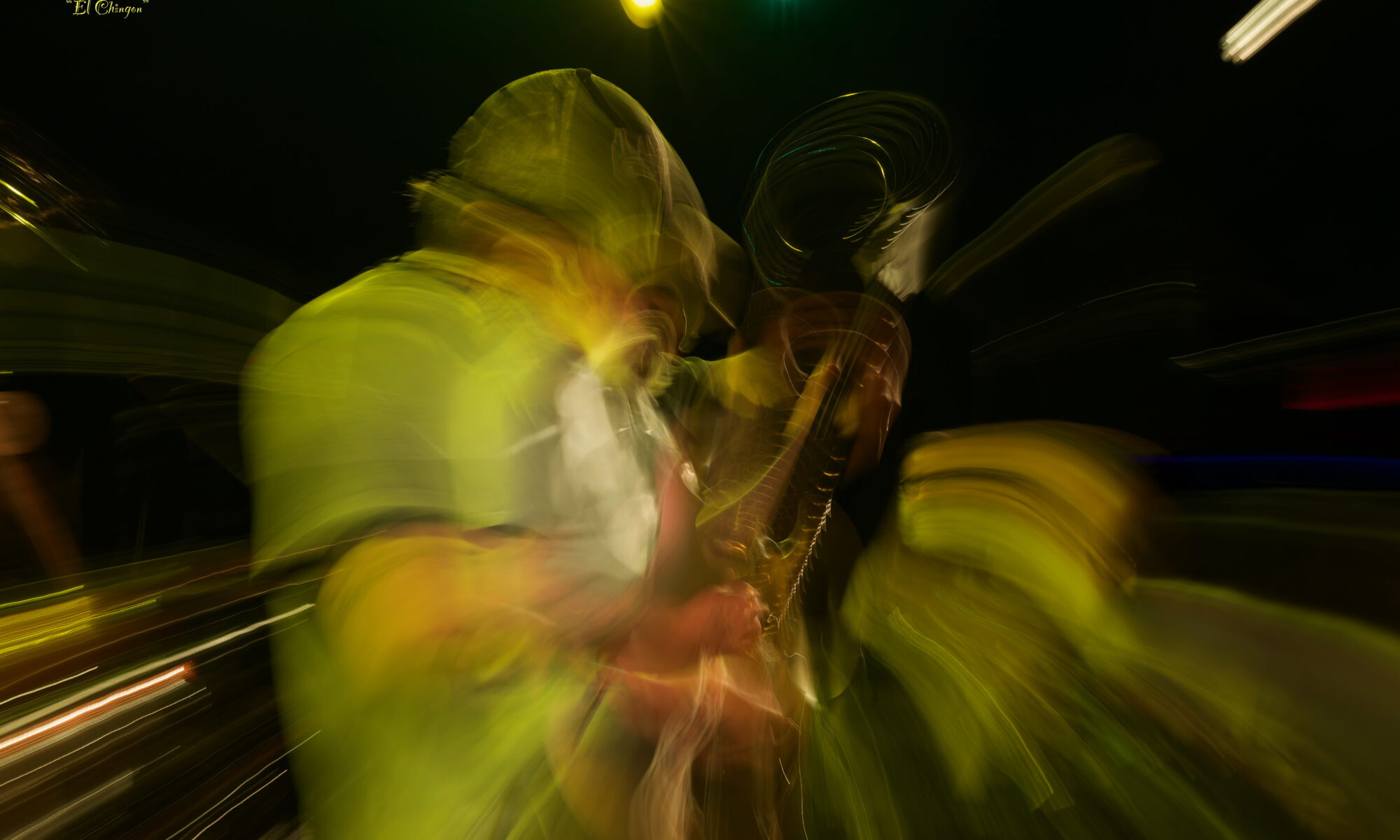
Words and Photos by Jonathan Levitt aka El Chingon Photography (Instagram)
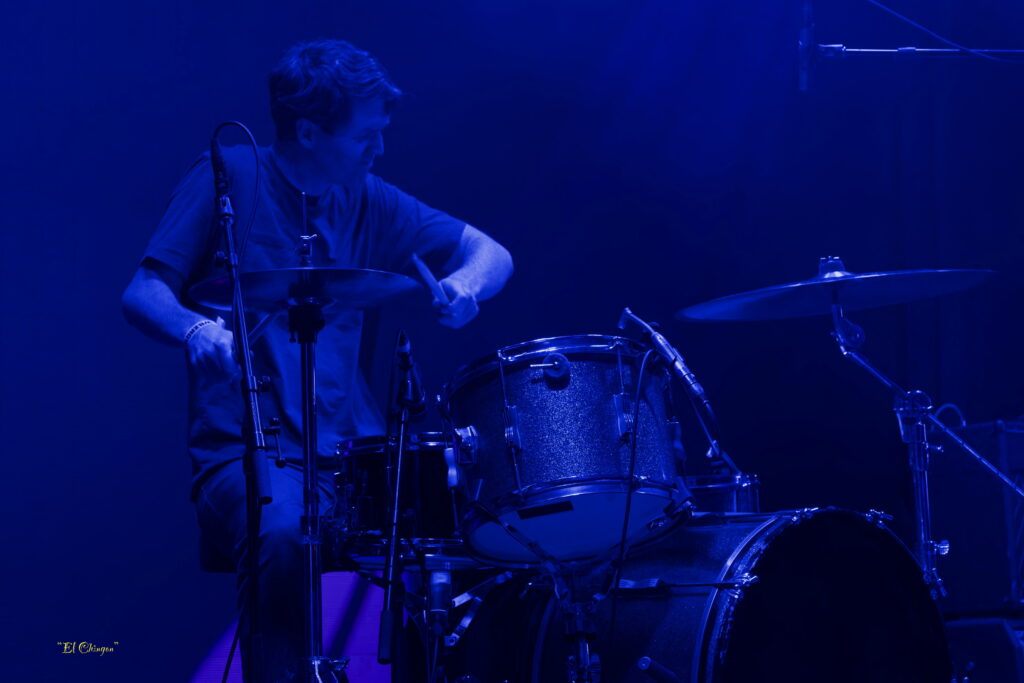
Protomartyr at Warsaw, Brooklyn, was not so much a concert as a sustained confrontation. Taking the stage to perform their 2015 album The Agent Intellect in its entirety, the Detroit band delivered a set that felt like a series of body blows administered with precision and intent. The record’s brutal honesty—lyrically unfiltered, psychologically raw—translated into a live experience that was relentless, claustrophobic, and exhilarating in equal measure. There was little room to breathe as the sonic assault rolled forward, each thunderous drum hit and stabbing guitar line met by an audience that pulsed in lockstep with the band’s intensity.
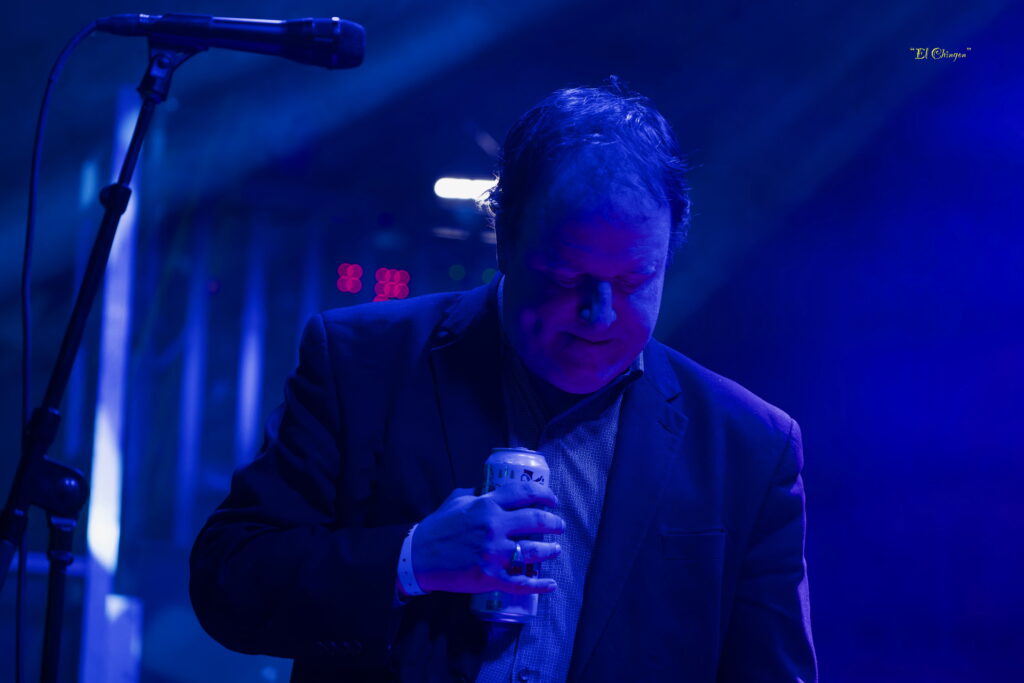
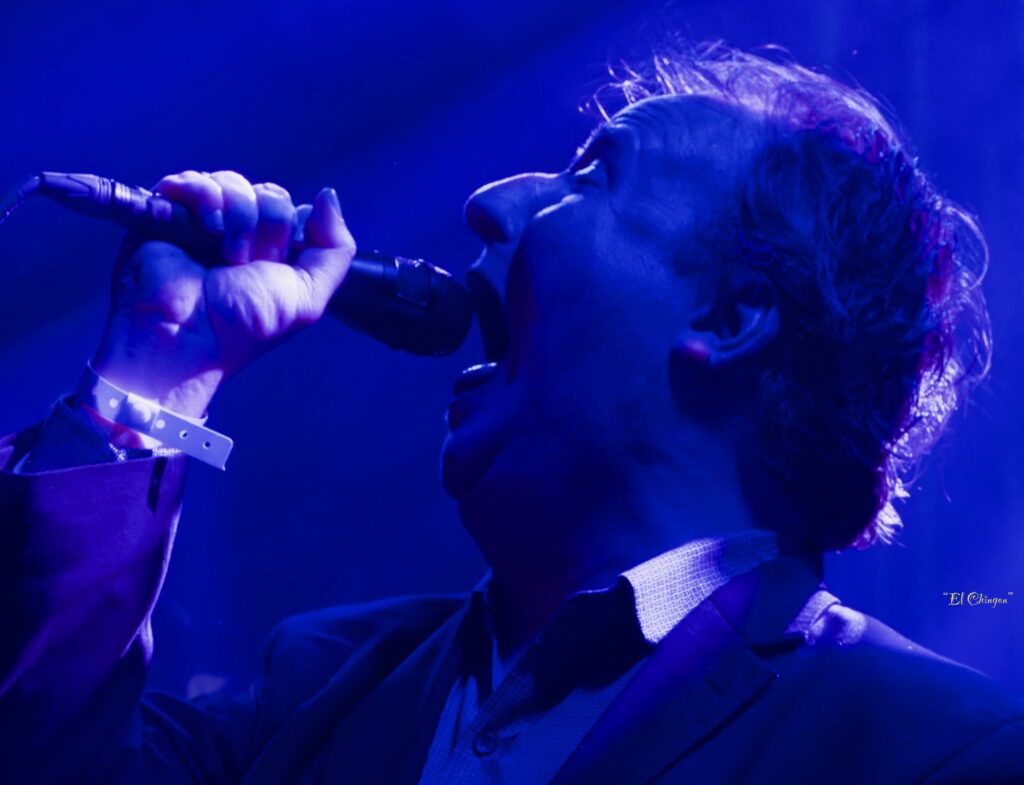
At the center of it all stood Joe Casey, looking less like a conventional punk frontman than a Wall Street trader who had taken a hard left turn into existential fury. Blazer on, beer in hand, Casey held court at Warsaw with a deadpan authority, punctuated by an entirely on-brand mid-set piss break. His vocals—acerbic, vinegary, and razor-sharp—cut through the mix, embodying the scorched-earth worldview that defines The Agent Intellect. It is an album that demands attention and repeated listening, and hearing it live underscored just how uncompromising it remains.
For myself, The Agent Intellect has always been a record that required effort to unlock. My own entry point into Protomartyr came later, with 2020’s Ultimate Success Today, an album that offered a more immediate sonic payoff and, to my ears, a more nuanced and psychologically provocative evolution of the band’s sound. That does not diminish The Agent Intellect—it is not a lesser record—but it is one that asks more of the listener, both emotionally and intellectually.
The payoff came near the end of the night, when the band dipped into Ultimate Success Today with “Processed by the Boys,” one of the evening’s clear highlights. Its muscular drumming, jagged guitars, and corrosive vocal delivery felt like a bridge between eras, a reminder of where Protomartyr has gone since 2015 and how formidable they have become. The room responded instantly, the energy shifting from endurance to release.
There is something admirable about a band choosing to play a record straight through, especially for fans who may never have had the chance to hear those songs performed together, or for the purpose of commemorating a pivotal moment in their catalog. Protomartyr honored that impulse fully at Warsaw, delivering The Agent Intellect with total commitment and zero compromise. And while I genuinely enjoyed the show, it also reinforced a personal conviction: the band’s later work represents a more compelling destination—sonically richer, more psychologically unsettling, and ultimately more rewarding. Still, as a document of Protomartyr’s ferocity and refusal to soften their vision, this was a powerful and punishing night.
Review and Photos by Jonathan Levitt
Please follow our instagram at “China Music Police” and “El Chingon Photography”
Some musical influences linger quietly in your life until, suddenly, they reassert themselves with force. In my case, that influence once again came courtesy of my esteemed former editor, Fred Mills, whose taste and guidance have shaped my listening more than he probably realizes. This time, it led me—finally—to The Dream Syndicate, live at Le Poisson Rouge.
Amazingly, this was my first time seeing the band. Hopefully, it will not be my last.
The Dream Syndicate walked onstage to rapturous applause, the kind that immediately signals you are in a room full of believers. Fans from every era of the band’s long and winding history were present, and Steve Wynn made a point of acknowledging that lineage, reminiscing about performances at the Beacon Theatre many moons ago, as well as early shows in the Village. When he asked who had been there for those early gigs, hands shot up across the room—living proof of a band whose music has endured rather than merely survived.
I’ll admit it: I am a relative newcomer to The Dream Syndicate. But if there were ever a textbook case for how a live performance can serve as the perfect initiation, this was it. The show felt like an open invitation into the band’s world—welcoming, expansive, and utterly convincing.
Wynn is a compelling frontman and a formidable guitarist, steering the band through songs steeped in psychedelic hues, muscular improvisation, and raw melodic drive. The music breathes; it stretches and contracts organically, propelled by deep internal chemistry rather than any sense of nostalgia or artifice. Simply put, the band completely fucking rocks. Just as striking is how genuinely decent they come across—serious musicians with serious chops, but without a trace of pretense.
A substantial portion of the set drew from Medicine Show, which is currently enjoying a well-deserved 40th anniversary expanded reissue on Fire Records in the UK. Those songs sounded anything but archival—urgent, alive, and fully integrated into the band’s present-day identity.
The performance was split into two sets, with a welcome intermission. At one point, Wynn joked that The Dream Syndicate had the unenviable task of “opening for The Dream Syndicate,” drawing knowing laughter from the crowd. The absence of an opening band turned out to be a gift. It allowed both longtime fans and newcomers to fully absorb the breadth of the catalog and to appreciate just how vital this music remains.
What struck me most was the purity of the experience. This was a band operating on trust, interplay, and instinct—the straight dope. Not a single person left that room without a smile on their face.
And then, as if the night had not already given enough, the band stationed themselves at the merchandise table afterward, generously signing autographs, posing for photos, and actually talking with fans. That simple act created a warmth I rarely feel at concerts anymore, a reminder of music’s power to unite people across generations.
As I stepped back out onto the snowy streets of New York City, I felt something quietly profound: after all these years, I had finally been granted access to a band that has always deserved a wider audience. The Dream Syndicate did not just put on a great show—they opened a door, and I am grateful I finally walked through it.
Photos and words by Jonathan Levitt (follow me @elchingonphotography on Instagram)
The Church’s new single “Sacred Echoes” is nothing short of a revelation. From the first shimmering notes, it’s clear that the band has tapped once again into that deep well of introspection and mystery that has defined their most transcendent work. The track unfolds with a hypnotic, shuffling beat that anchors a swirl of Gothic-tinged textures, creating a mood that feels both haunted and sublime.
What truly astonishes here is the musicianship — nuanced, fluid, and utterly immersive. Each note seems to drift in from some parallel dimension, reflecting the band’s uncanny ability to make the ethereal feel tangible. It’s a reflective piece, filled with the kind of emotional depth that has always been The Church’s calling card.
Listening to “Sacred Echoes” evokes memories of Priest = Aura — that same narcotic, psychedelic pull that invites you to slip the bonds of this reality for a few minutes and inhabit theirs instead. In an age of constant noise and anxiety, The Church continue to offer sanctuary through sound — a transitory escape into something greater, more profound, and beautifully uncertain.
Little has been revealed about whether this single heralds a new album on Cooking Vinyl, but if “Sacred Echoes” is any indication, we’re in for something extraordinary. The Church have not just revived themselves — they’ve reaffirmed their relevance. This is music for those who still believe in the transformative power of a song.
Last night at Le Poisson Rouge, Earth held court in New York City, performing their complete album Hex; Or Printing in the Infernal Method before a nearly sold-out audience. The experience felt less like a concert and more like a ceremony—a slow, seismic meditation in tone, weight, and the deep spaces between notes.
From the first reverberations, the music didn’t just unfold—it breathed. It opened up canyons of sound that drew us in, letting us drift through their depths and feel a greater oscillation in the world. Mighty and tragic, solemn and transcendent, this was music of reckoning and renewal.
My friend Bryan mentioned after the show concluded how wonderful it was that there were no lyrics, no voices—just sound itself, raw and infinite. He was right. The absence of words let the music move through us freely, connecting us in a shared quiet understanding. It was a rare and beautiful thing in a time so filled with noise and discord: to be united in listening, to feel small yet bound to something immense.
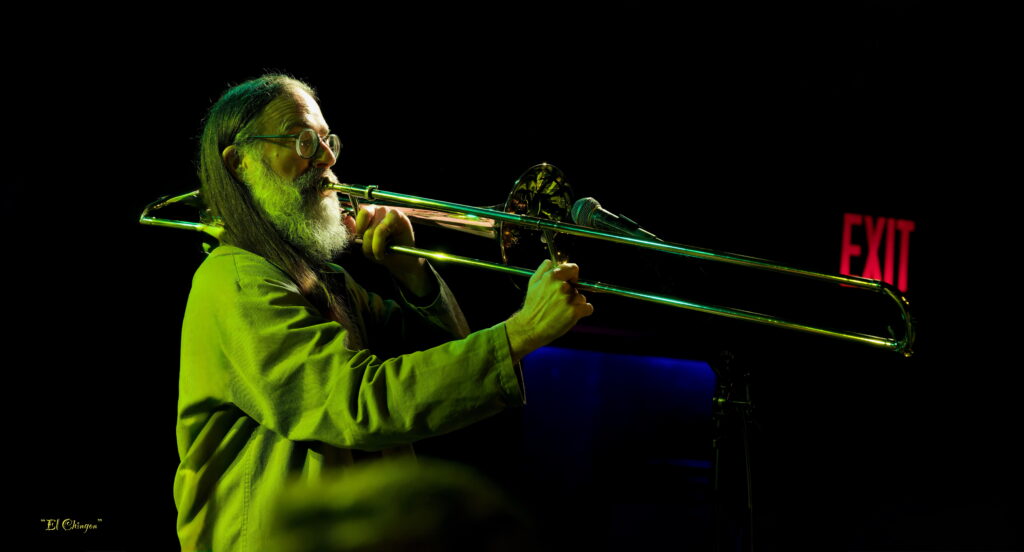
Before Earth took the stage, the evening began with a mesmerizing opening set from the band’s trombonist— Professor Steve Moore—who spent half an hour delving into the philosophy and mechanics of sound. He spoke about its mathematics, its simplicity, and its uncanny power to connect us. His insights set the tone perfectly: that what may appear minimal is, in fact, spiritually vast.
As Earth played through Hex, each piece seemed to linger in suspension, a slow procession through desert skies and empty plains, filled with reflection and sorrow yet threaded with resilience. The music didn’t drain or overwhelm—it left us inspired, as if we had endured something together, crossed some invisible threshold, and come out the other side a little more aware of our place in the universe.
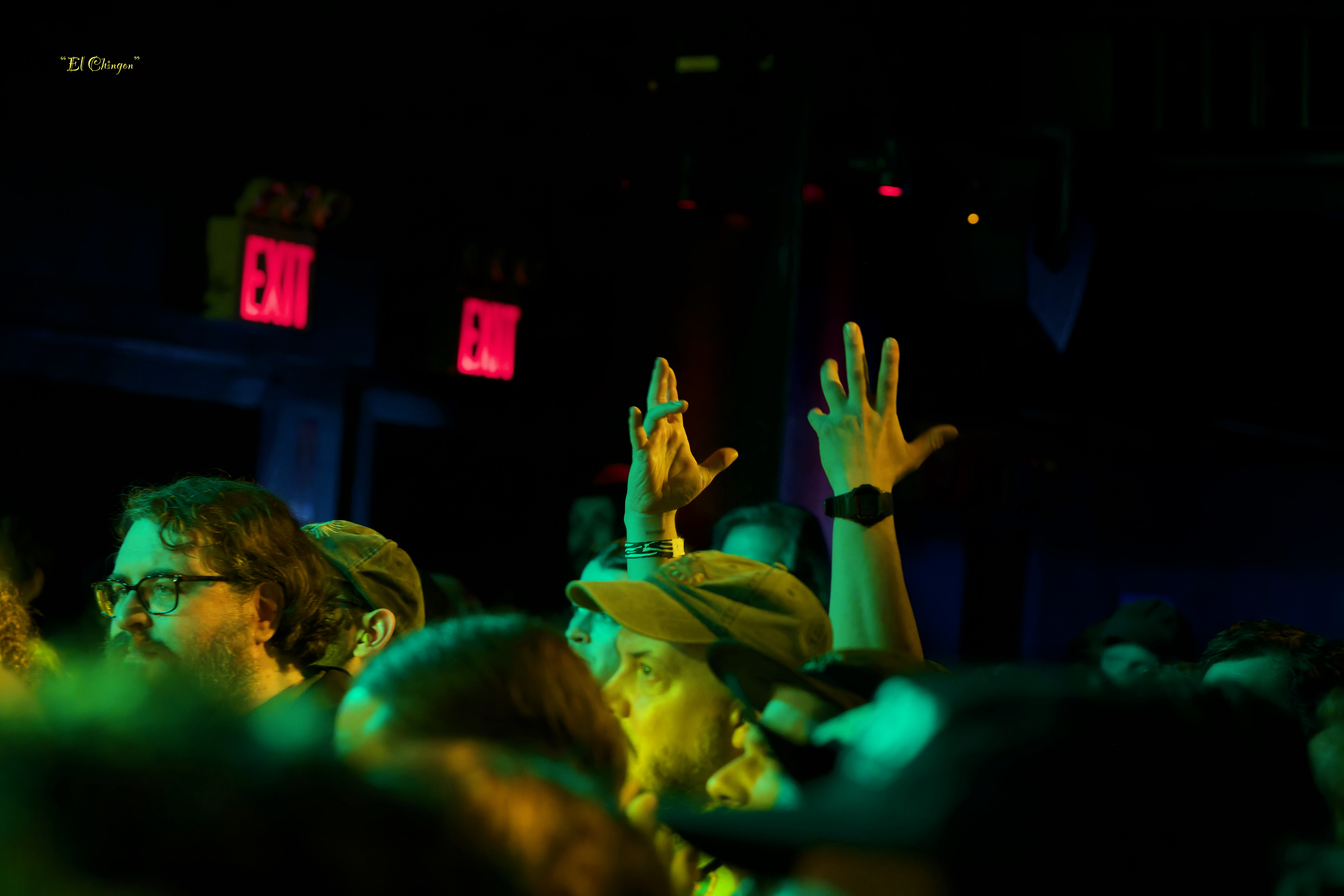
When the final note dissolved, there was no rush to fill the silence. The audience sat still for a moment, breathing the same air, feeling the same weight and wonder. It was as though Earth had reminded us that within stillness there is movement, within repetition there is revelation—and that sometimes, simply listening can be a radical act of connection.
There was a palpable sense of reverence in the room last night as Martin Dupont took the stage at Le Poisson Rouge. The long-running French ensemble, whose origins stretch back to the early 1980s, were greeted with warmth and affection — a welcome that felt less like a typical New York crowd and more like a reunion among kindred spirits. From the first notes, it was clear that their music retains a rare, timeless quality: atmospheric, elegant, and quietly powerful.
The interplay between Alain Seghir and Sandy Casado was particularly moving. Their connection—part telepathy, part tenderness—anchored the set’s emotional core. Seghir’s understated vocals and Casado’s ethereal presence created a hypnotic vibe that felt like a calming salve for a fractured world. The projected visuals behind the band deepened the spell, evoking memories of Massive Attack’s cinematic use of imagery to heighten mood and meaning.
Across a career-spanning setlist, Martin Dupont conjured a soundscape both cinematic and precise, echoing faint shades of Siouxsie and the Banshees and Kraftwerk — yet never losing their singular identity.. Their nocturnal chill and delicate rhythmic undercurrents shimmered with both melancholy and grace. At Le Poisson Rouge, the band’s interplay felt effortless — electronic pulses breathing alongside live instrumentation, creating an atmosphere that was simultaneously intimate and cinematic. It was a reminder of how much emotional terrain can exist within restraint, each song unfolding like a whispered secret from another era, rediscovered in the present moment.
When the band returned for an encore, the moment was quietly transcendent. They seemed humbled, even surprised, by the outpouring of love from the audience — a love that flowed right back toward them in waves. It was one of those rare nights where the boundary between artist and audience dissolved completely, leaving only shared gratitude and beauty. Martin Dupont didn’t just perform last night; they reminded us of music’s power to heal, connect, and endure.
Words and Photos by Jonathan Levitt ( Instagram: El Chingon Photography)
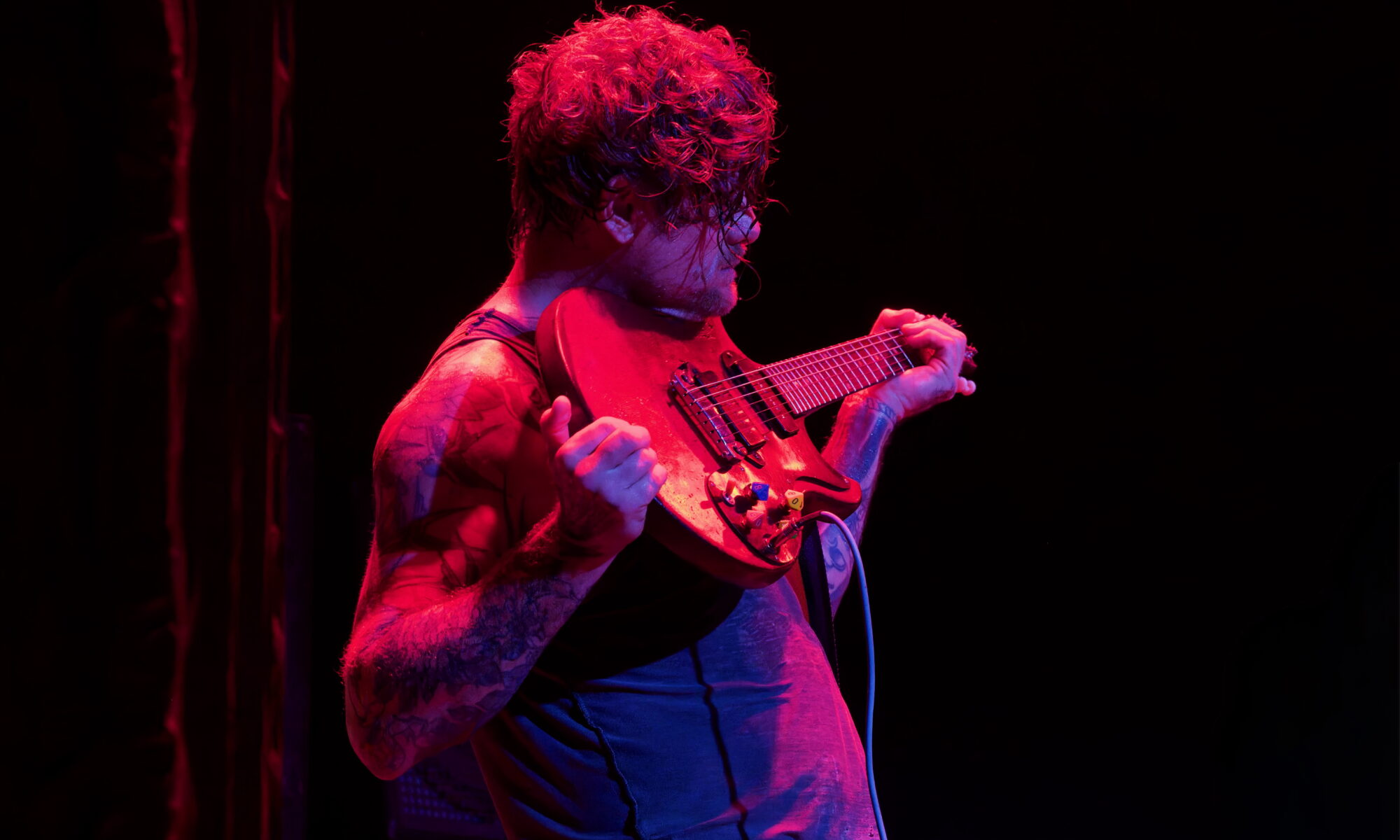
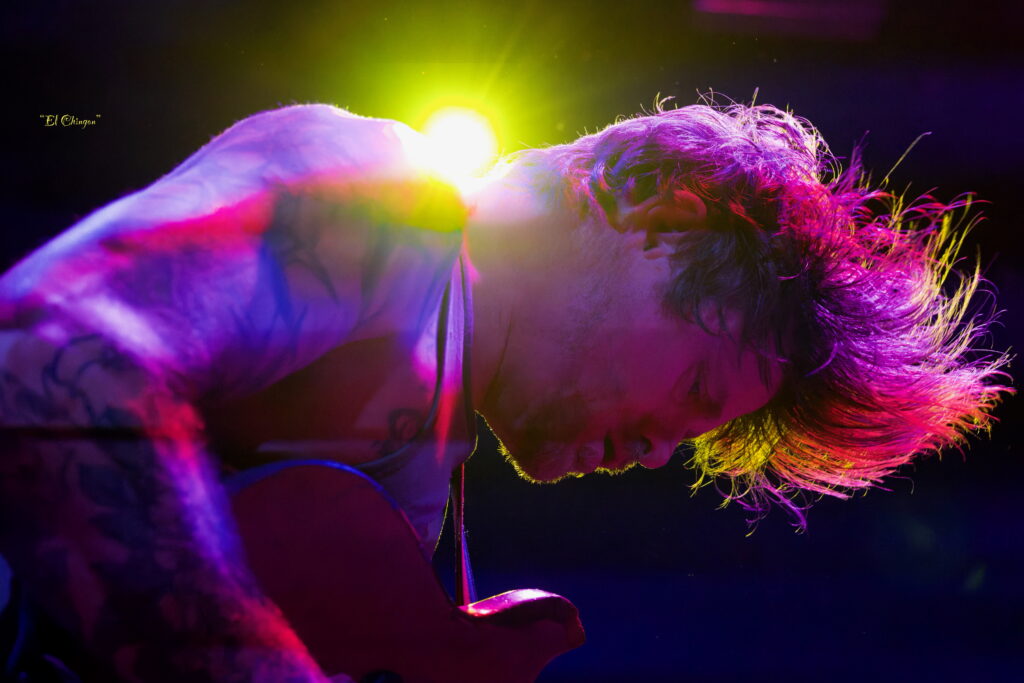
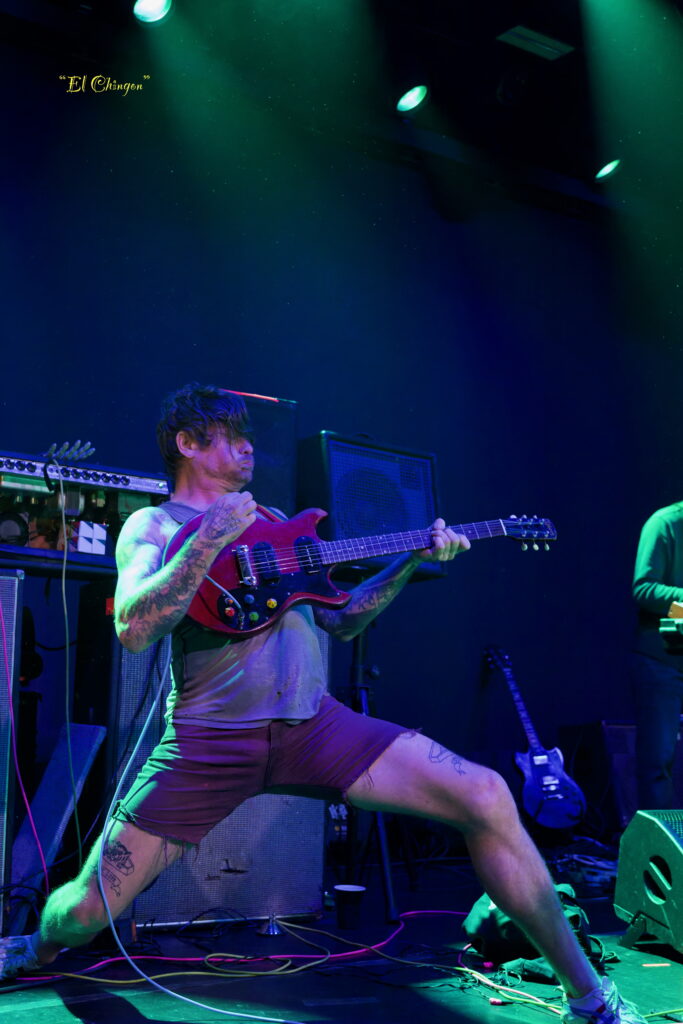
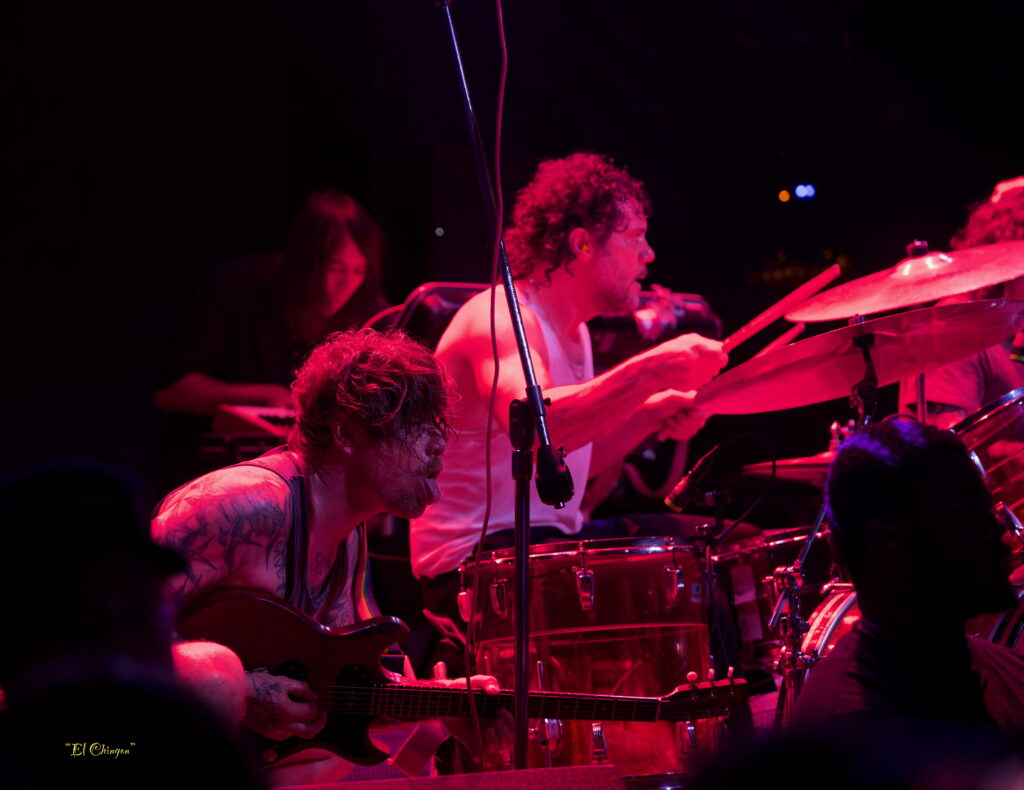
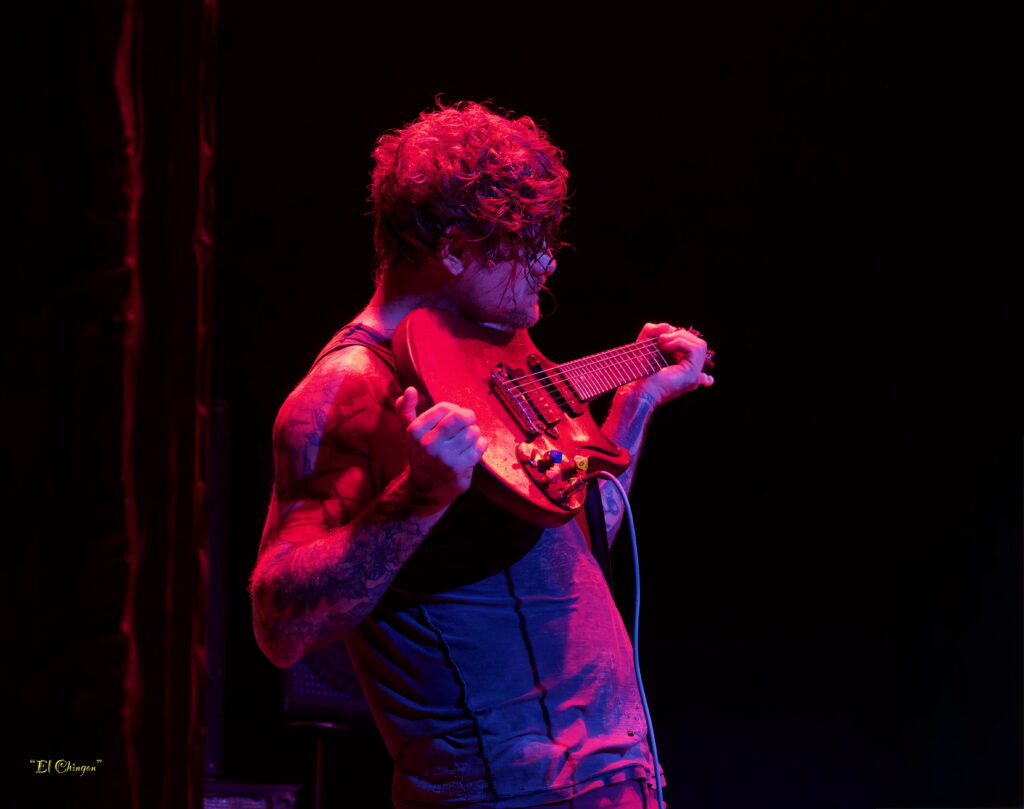
Thee Oh Sees don’t just play shows—they detonate them. At Warsaw on October 25th, John Dwyer and his feral crew turned the venerable Greenpoint hall into a furnace of sound, sweat, and sheer willpower. From the first note, the set was a muscular, fever-pitched assault—tight, brutal, and unapologetically alive.
Anchoring the chaos were the band’s twin drummers, whose synchronized barrage delivered not just rhythm but propulsion, pushing the audience into a kind of ecstatic delirium. Their double-barreled attack didn’t merely lend heft—it animated the room, turning the pit into a cyclone of limbs and laughter. Few bands can summon that kind of collective madness; Thee Oh Sees make it feel elemental.
Dwyer, the kinetic nucleus of it all, remains a force of nature—a punk polymath channeling the same unrelenting drive that Henry Rollins once embodied in Black Flag and the Rollins Band. His guitar, held at armpit level, looked less like an instrument and more like a weapon. Each riff hit like shrapnel, every break a reload.
The setlist drew generously from the band’s latest record, whose jagged energy translated perfectly live. And when they tore into “Tidal Wave,” my personal favorite, the room erupted in shared mania—a perfect collision of band and believers.
Midway through, Dwyer paused just long enough to deliver one of the night’s finest Fuck You moments: recounting how Sam Smith and Live Nation had asked him to move the show to another date. His response? A flat, glorious “No” and “Fuck Sam Smith.” It was the kind of middle finger to the corporate machinery that makes us love Thee Oh Sees even more.
By the end, ears rang, bodies ached, and hearts pounded. Thee Oh Sees left Warsaw scorched—proof that rock’s raw nerve is alive and still kicking.
-Jonathan Levitt 10/30/25
(all photos by Jonathan Levitt Instagram: El Chingon Photography)
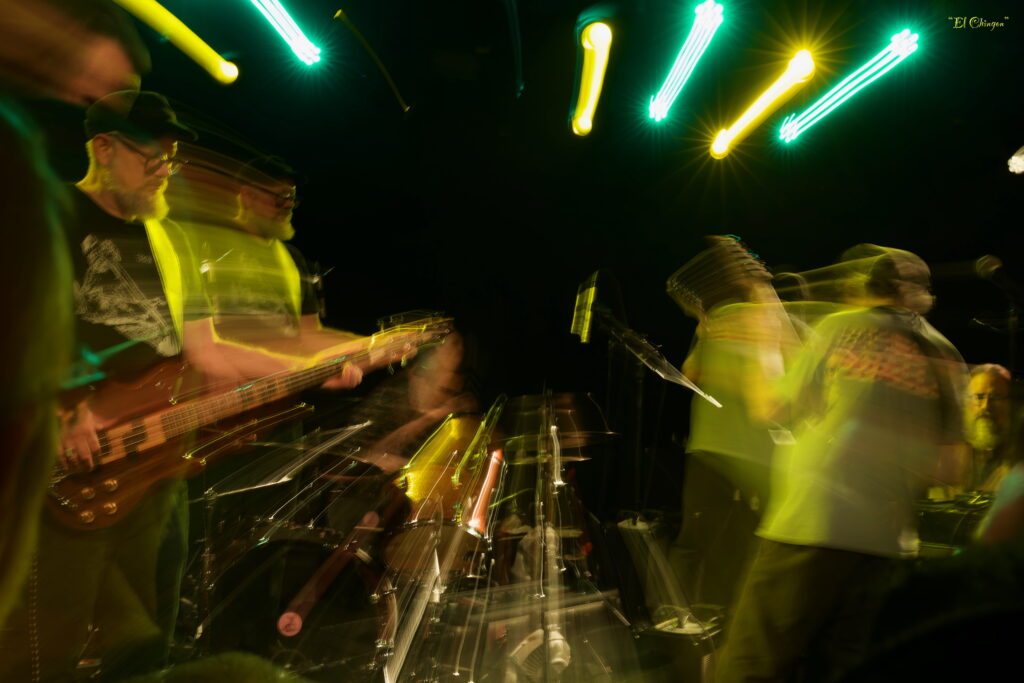
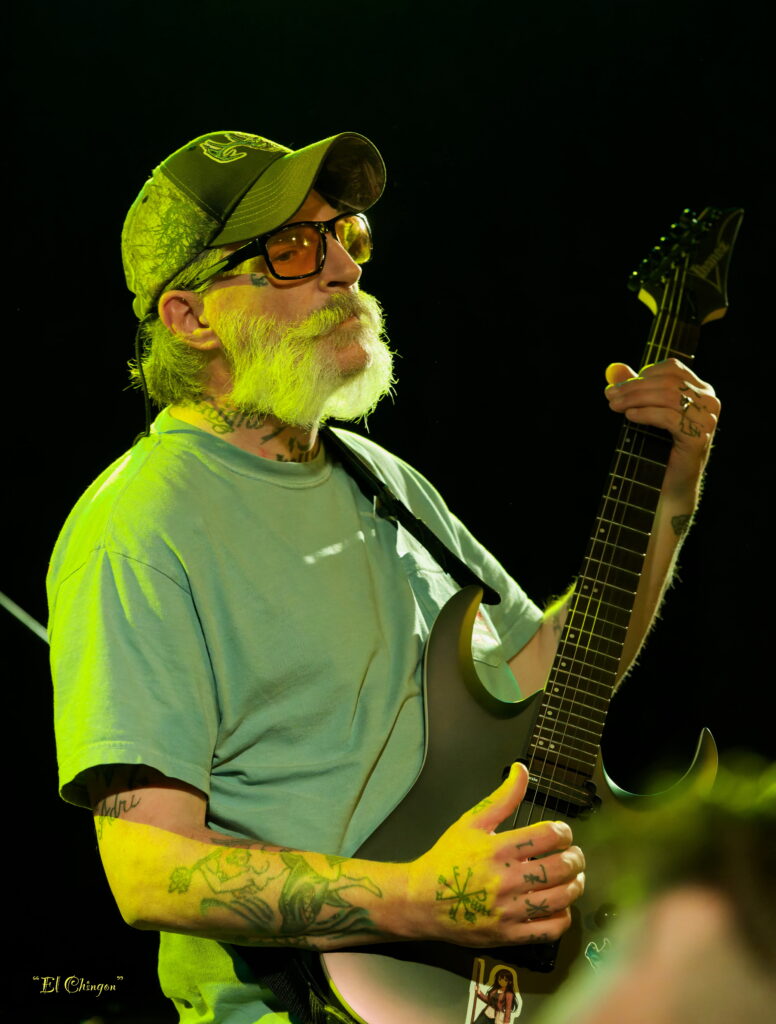
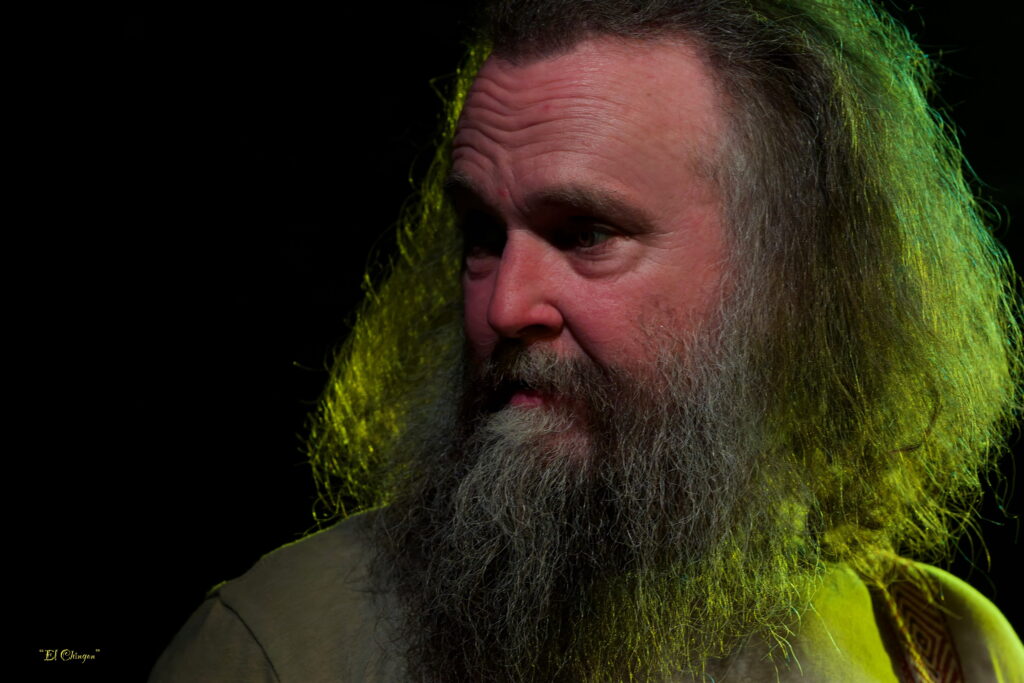
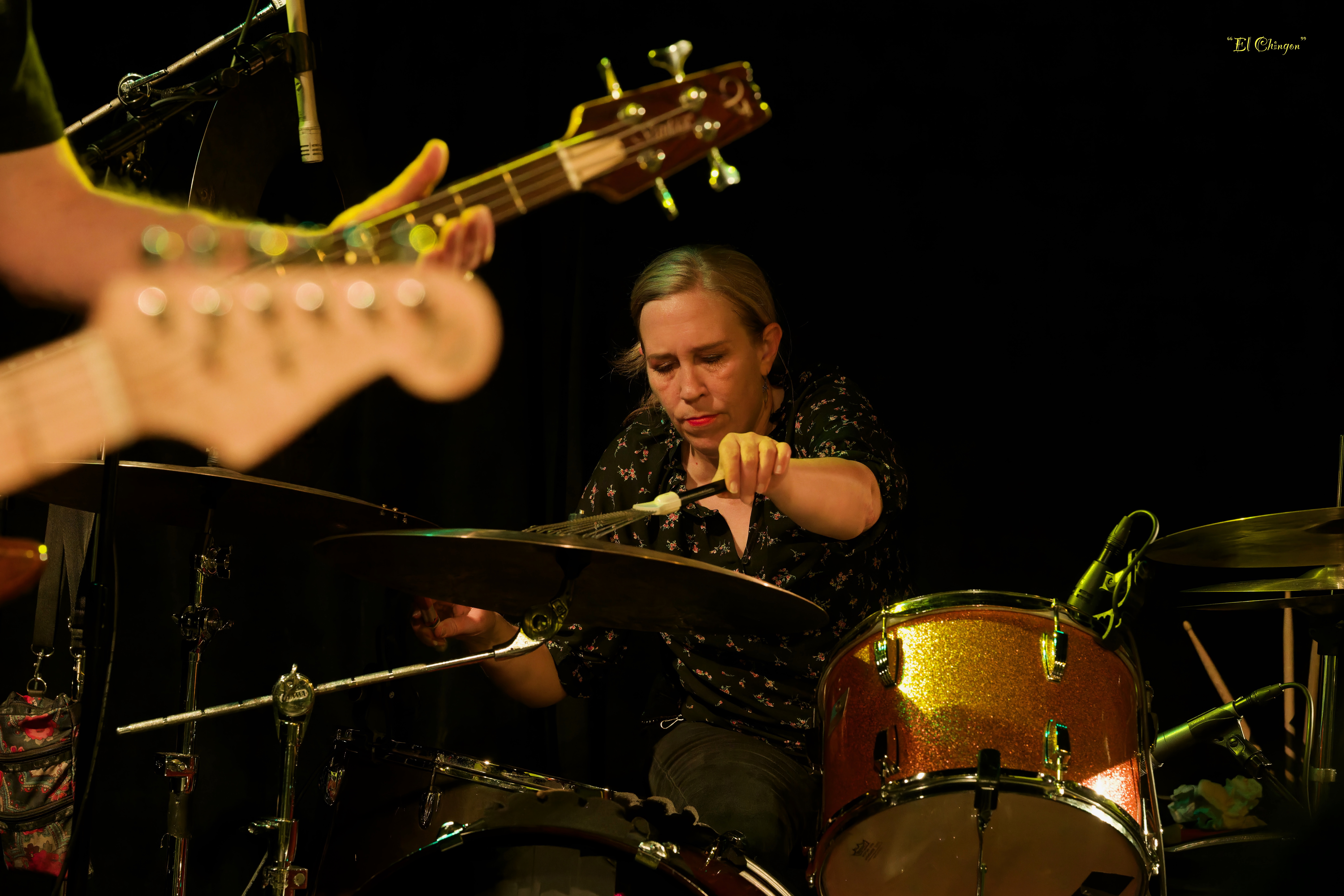
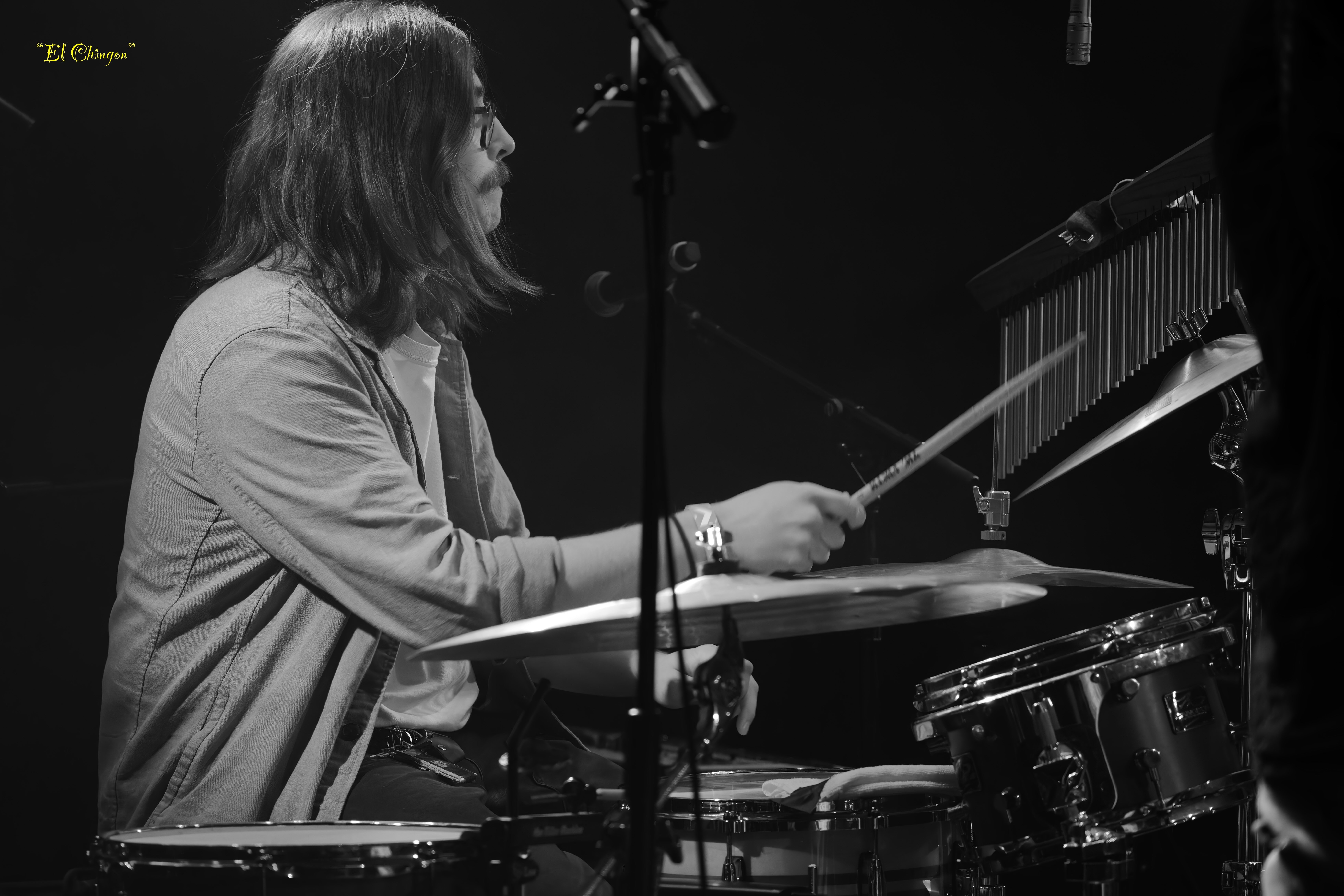
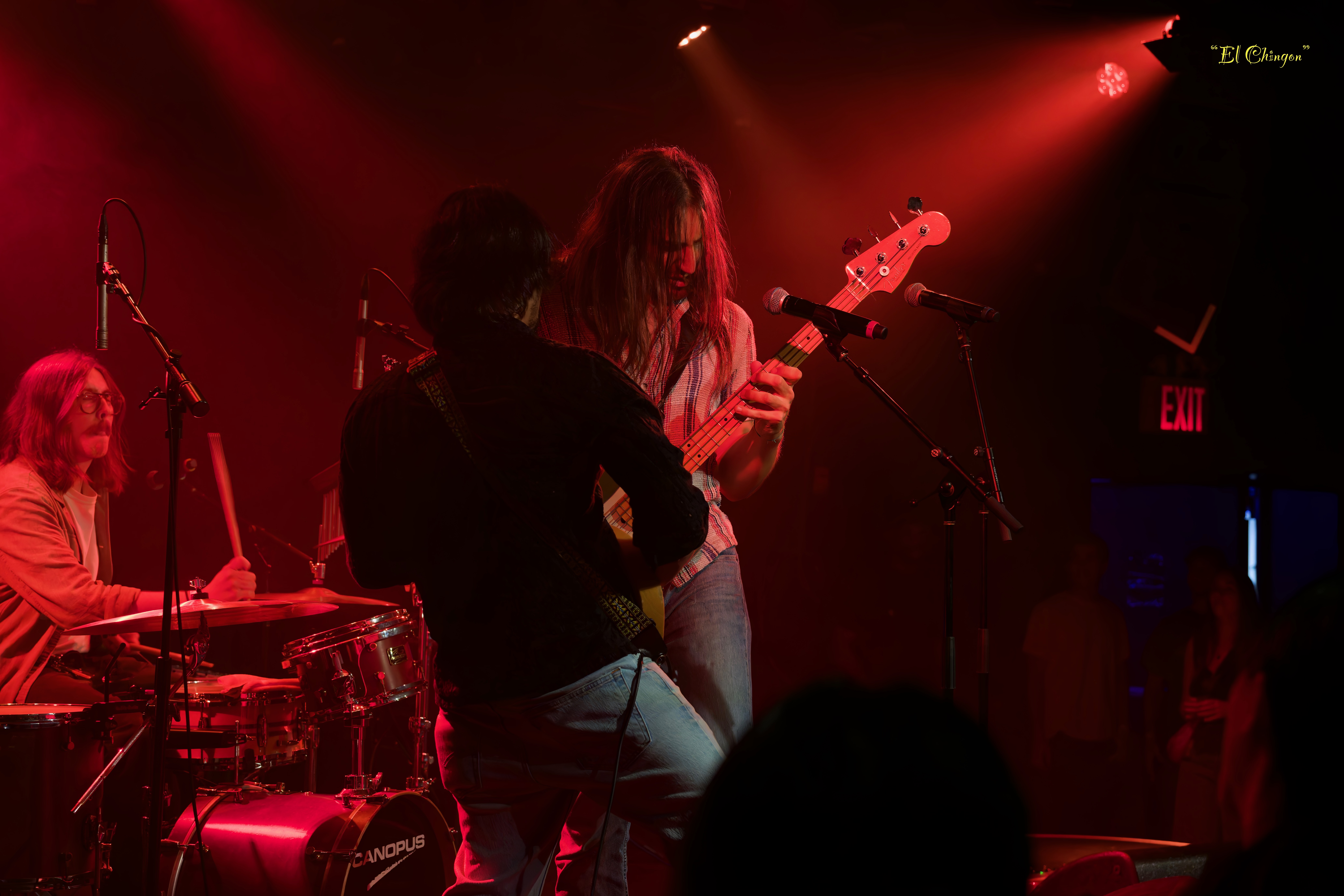
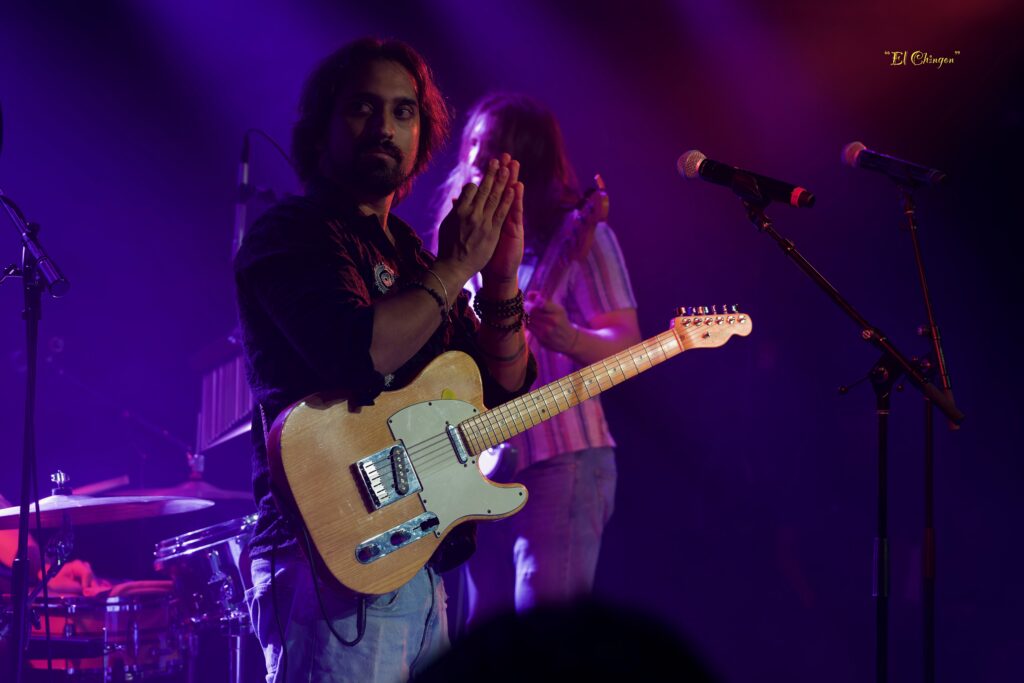
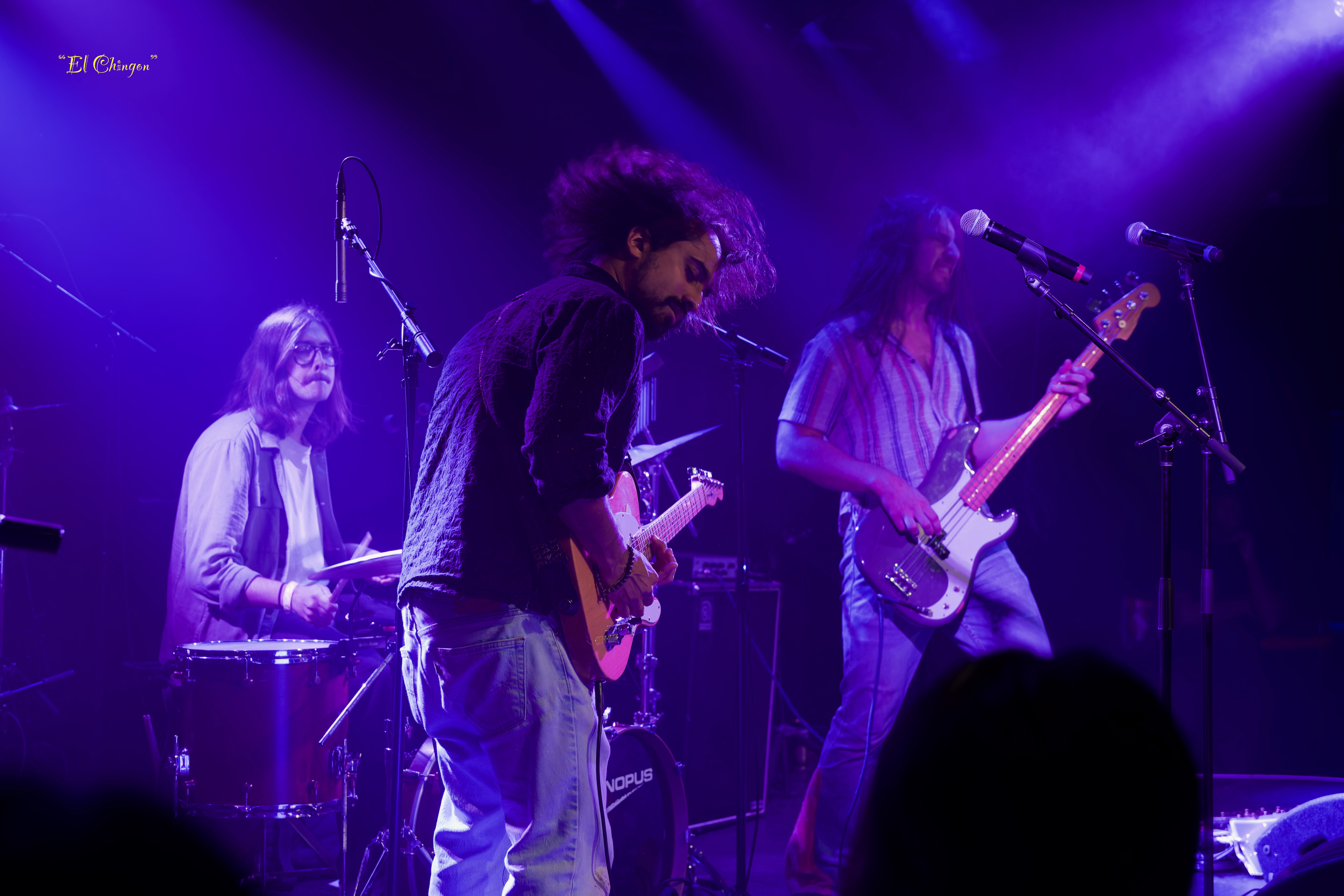
There are few things more electrifying than stumbling upon a band for the first time and being utterly floored. That’s exactly what happened on July 24 at Le Poisson Rouge in Manhattan, when I witnessed the transcendental, mind-bending performance of Free Whenever, a group that—until that night—hadn’t been on my radar. Now, I can’t stop thinking about them
Opening bands rarely have it easy. Playing after the opening band and before the headliner? That’s a whole other level of challenge. Yet Free Whenever stepped into that role not with hesitation but with presence, fluidity, and an unmistakable spiritual energy. This wasn’t just a warm-up act. This was a full-on initiation ritual—an invitation to a dimension where funk grooves, psychedelic explorations, and tight-as-nails musicianship merge into something deeply emotional and totally alive.
From the moment the first note rang out, it was clear: this band has chemistry. Not just the kind you get from logging hours in a rehearsal space, but the rare kind that feels alchemical, intuitive, almost telepathic. The interplay between guitar, bass, and drums wasn’t just locked in—it danced, pushed, pulled, and exploded in real time. Every passage was a journey, each build-up carefully sculpted until it burst into something ecstatic, something almost cosmic.
What sets Free Whenever apart isn’t just their chops—though make no mistake, these players are virtuosos. What truly elevates them is their ability to channel feeling into every riff, every break, every improvisational left turn. There’s joy in their sound, but also tension, curiosity, and a deep respect for the space between notes. You could tell the crowd felt it too—those who gave themselves over to the experience were transported, as if the music had briefly opened a portal.
I saw that they have a new LP, and after catching a few words with the band post-show, I can’t wait to hear it. If this performance is any indication, we’re looking at a group on the verge of something special—not just another NYC act fighting for attention, but a band with the rare power to move people, body and soul. Here’s hoping Free Whenever gets the ears they deserve across the city—and far beyond. Catch them while you can. They won’t stay a secret for long.