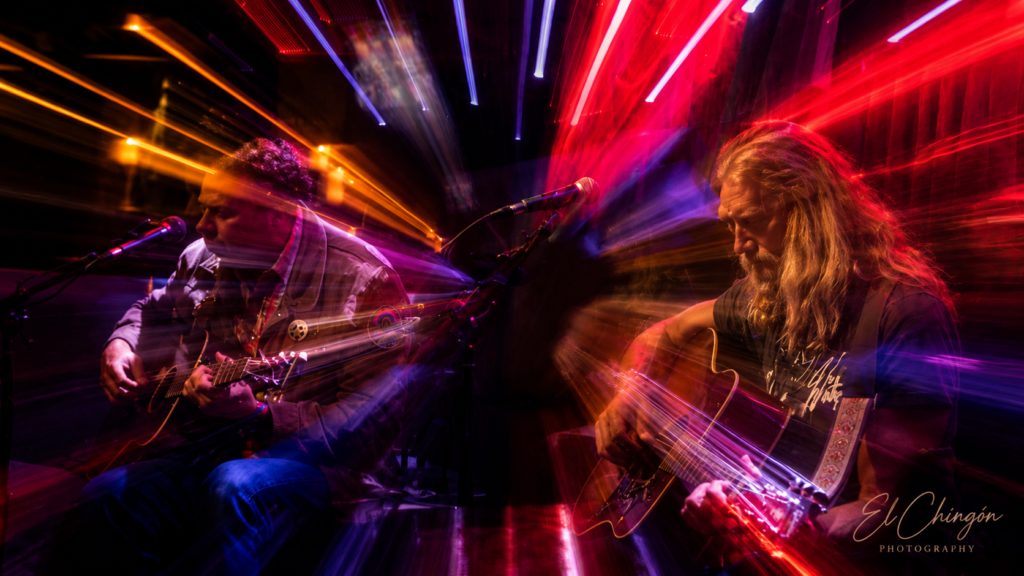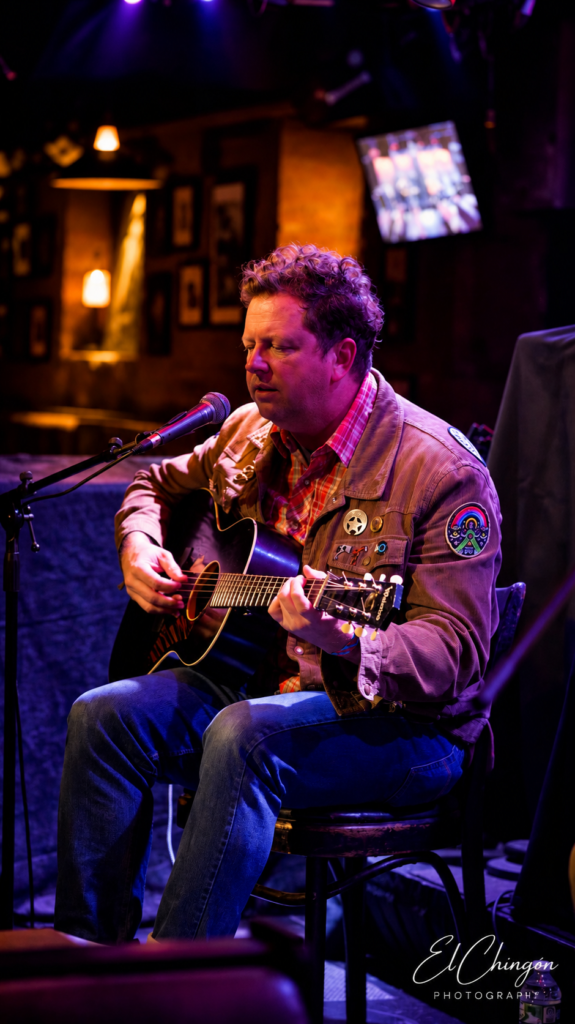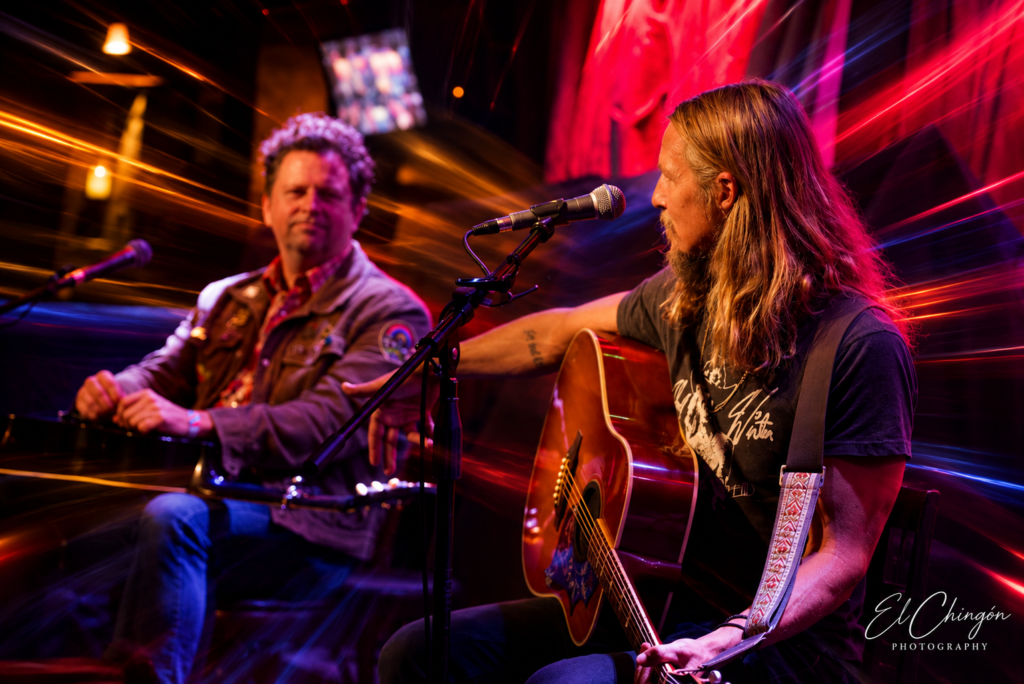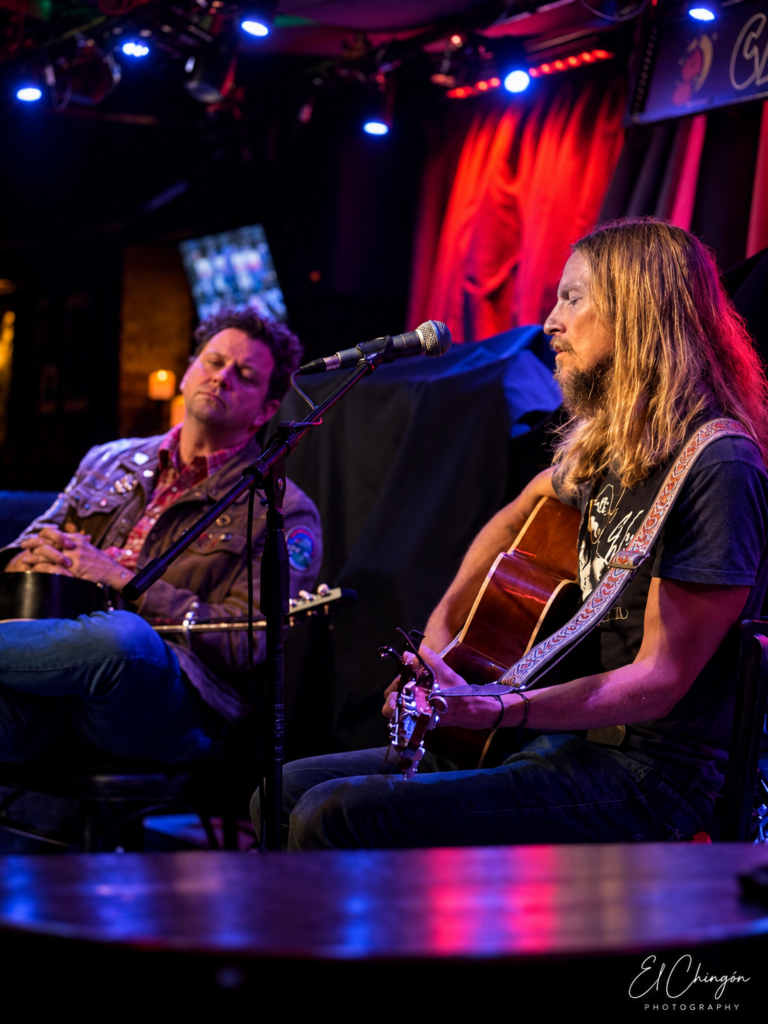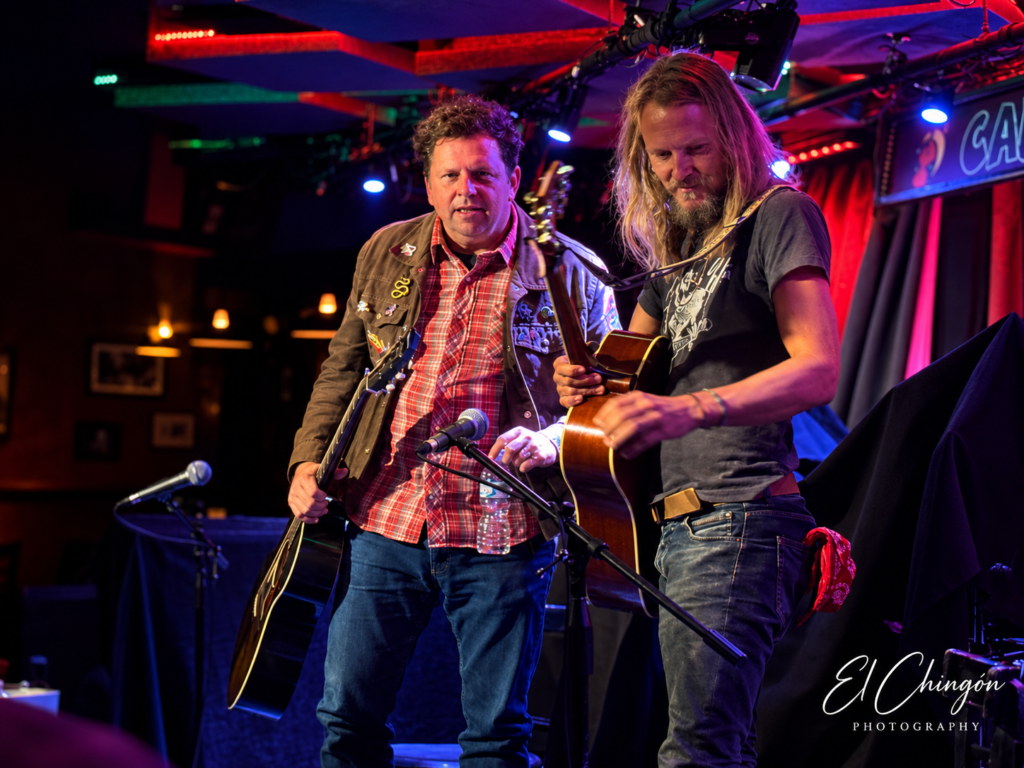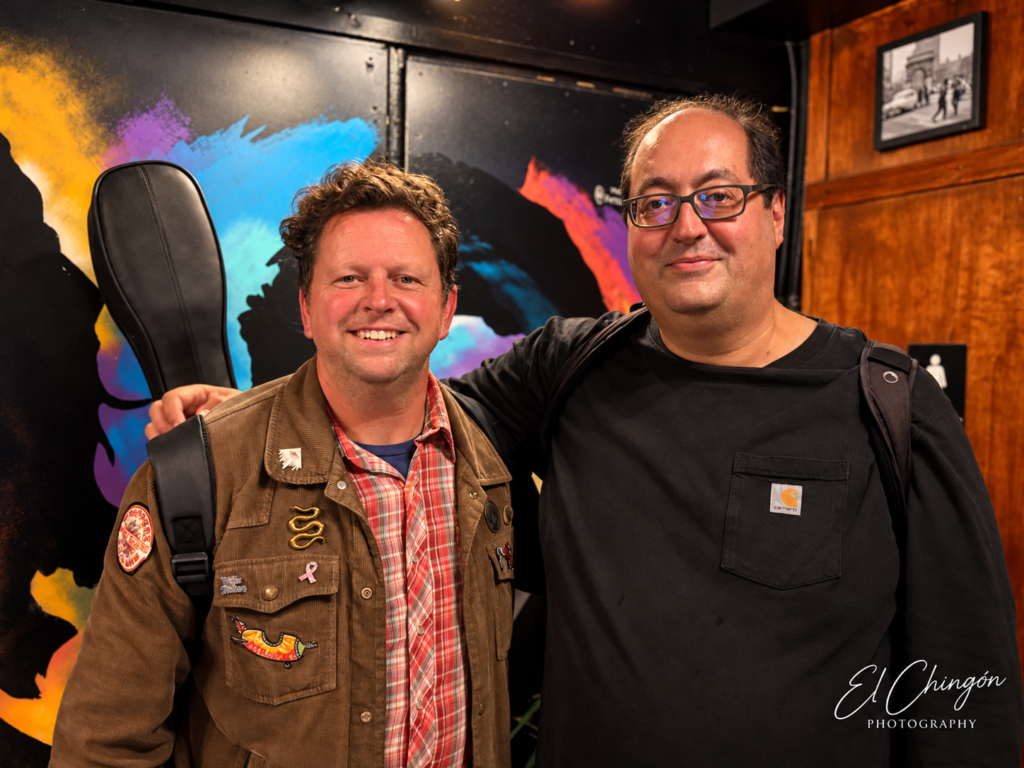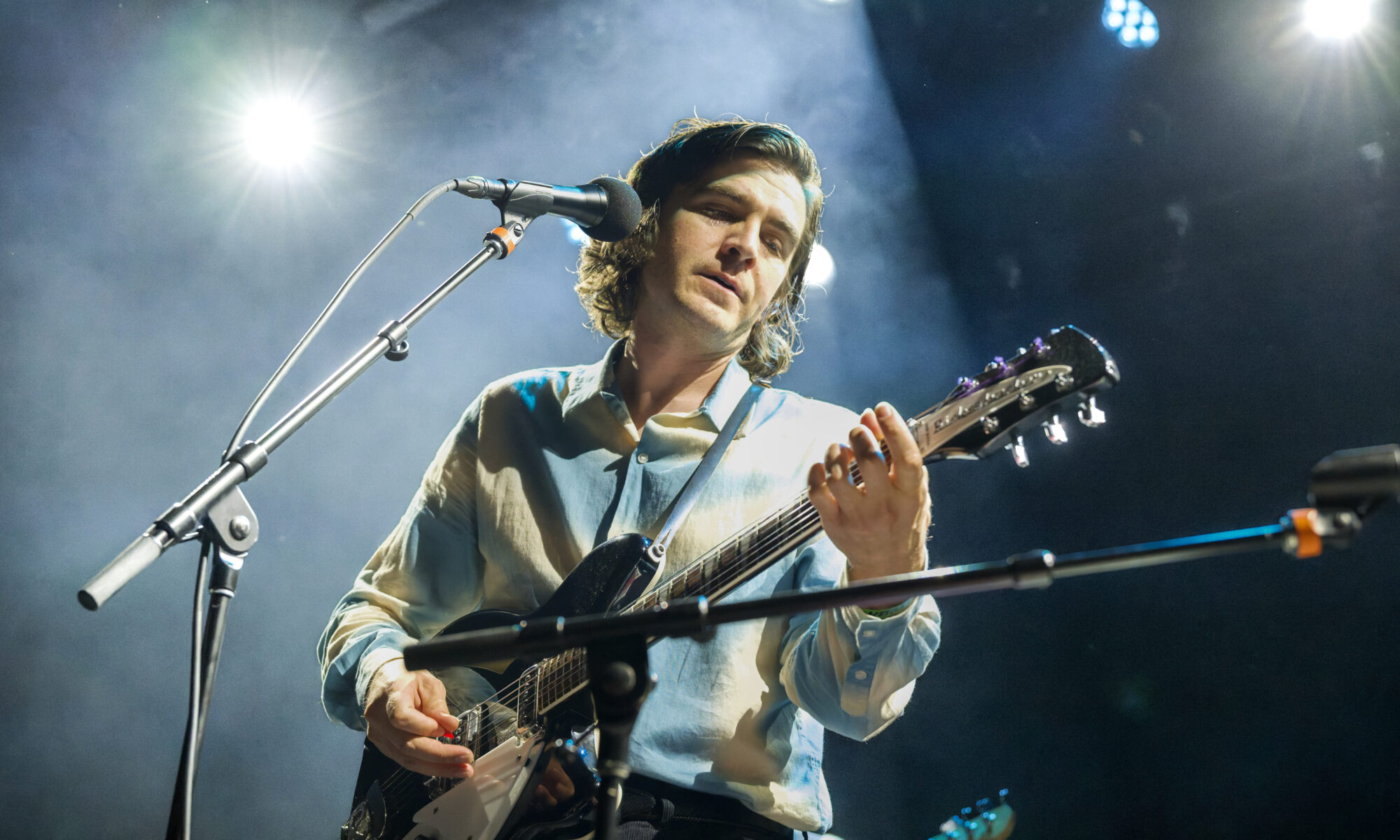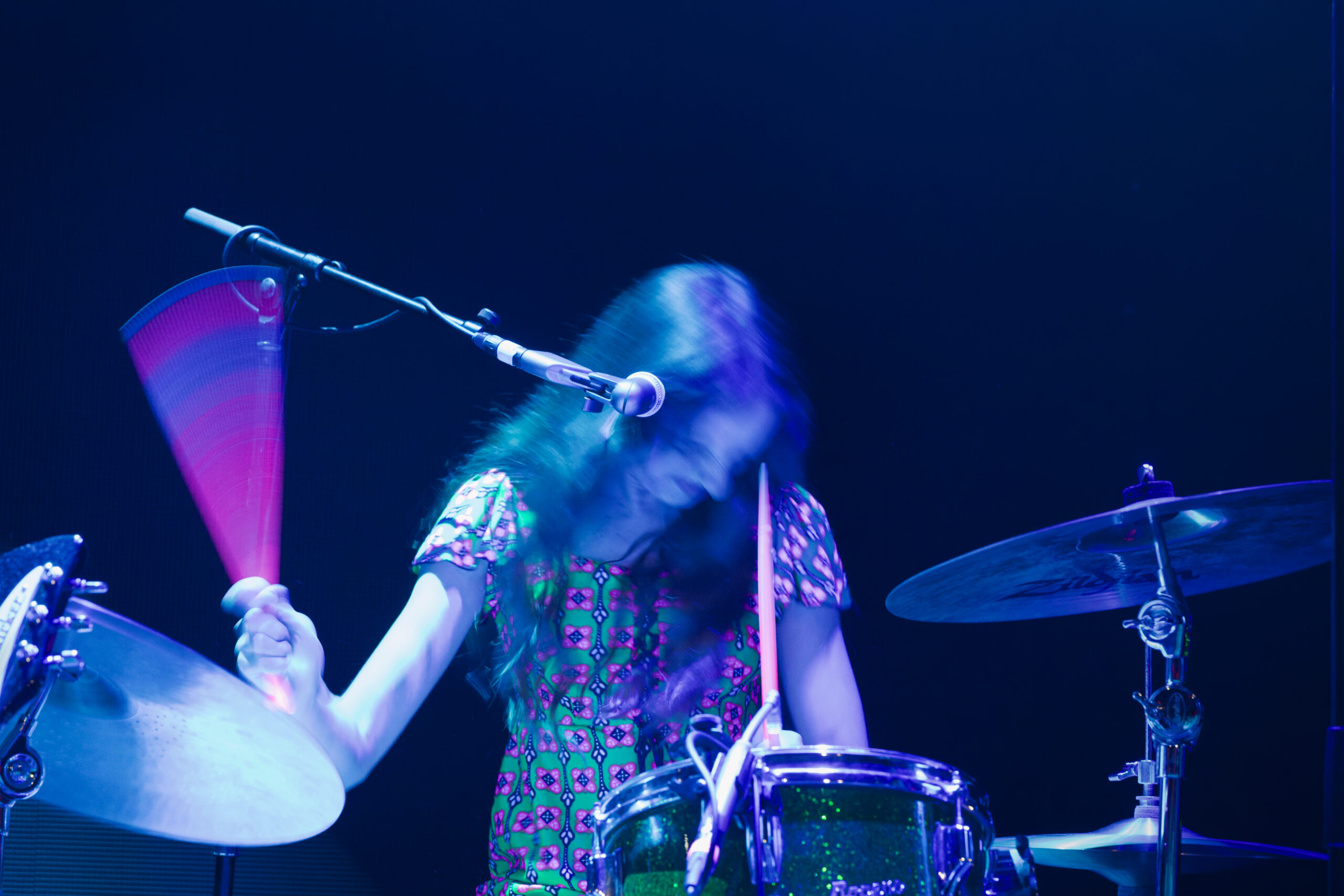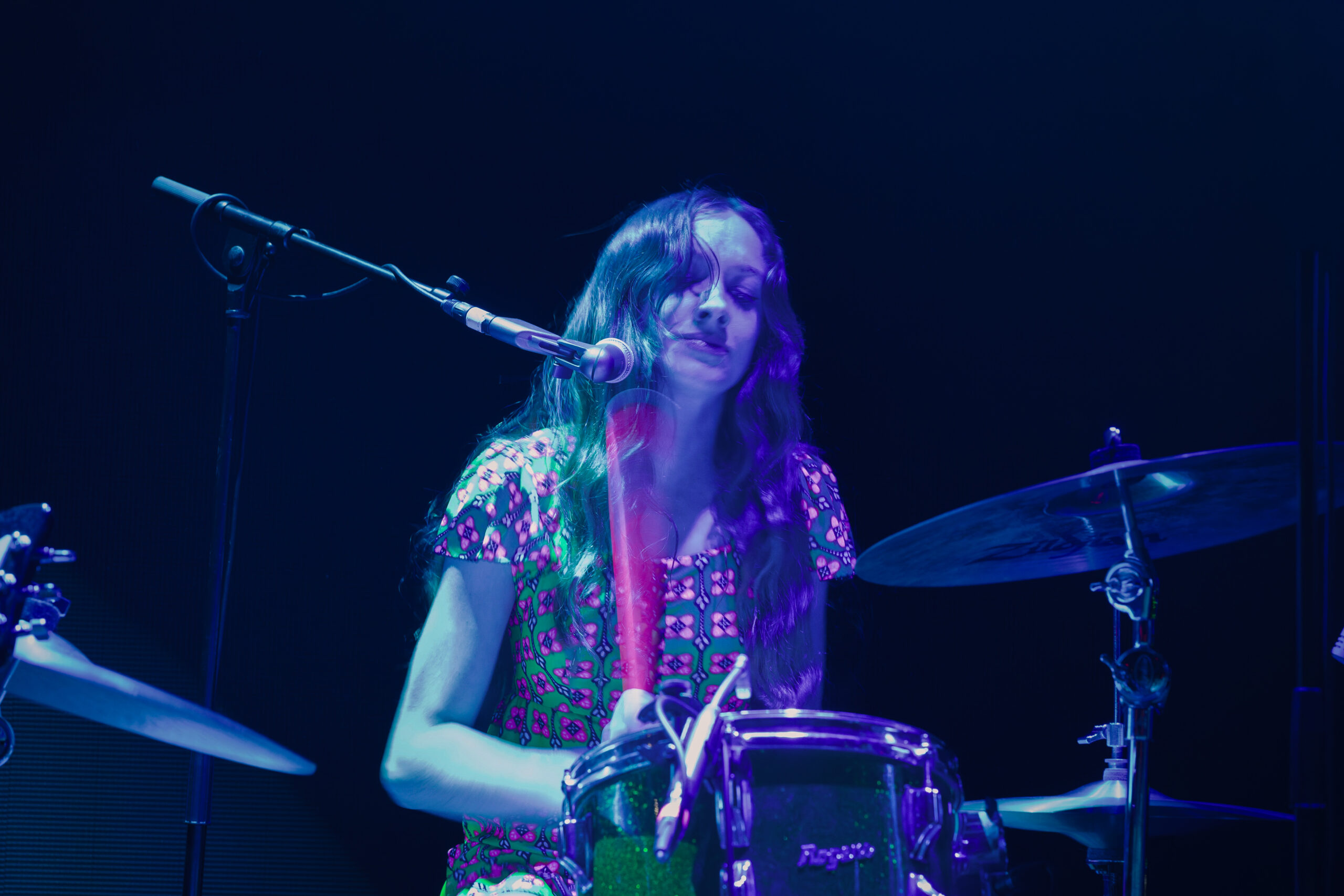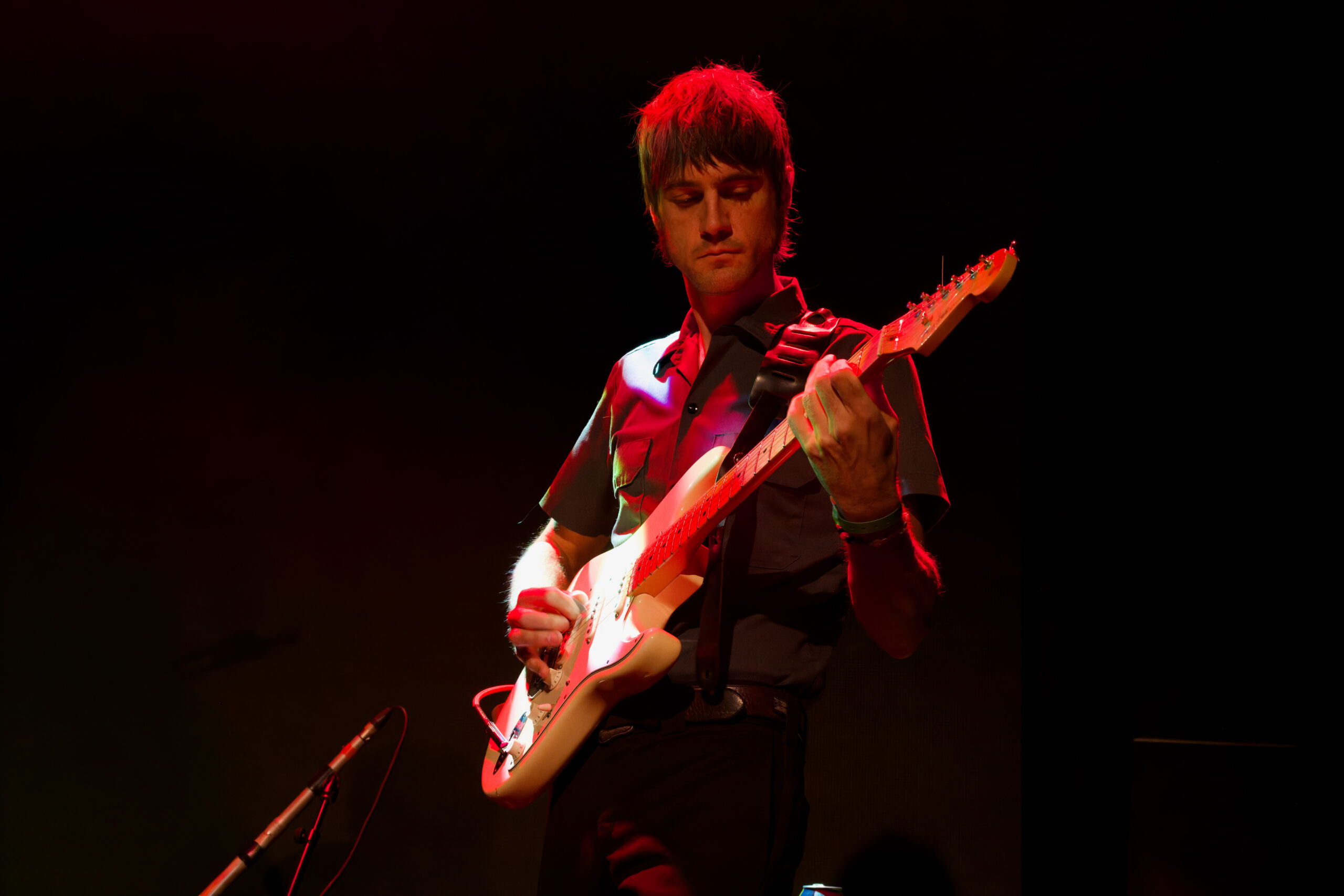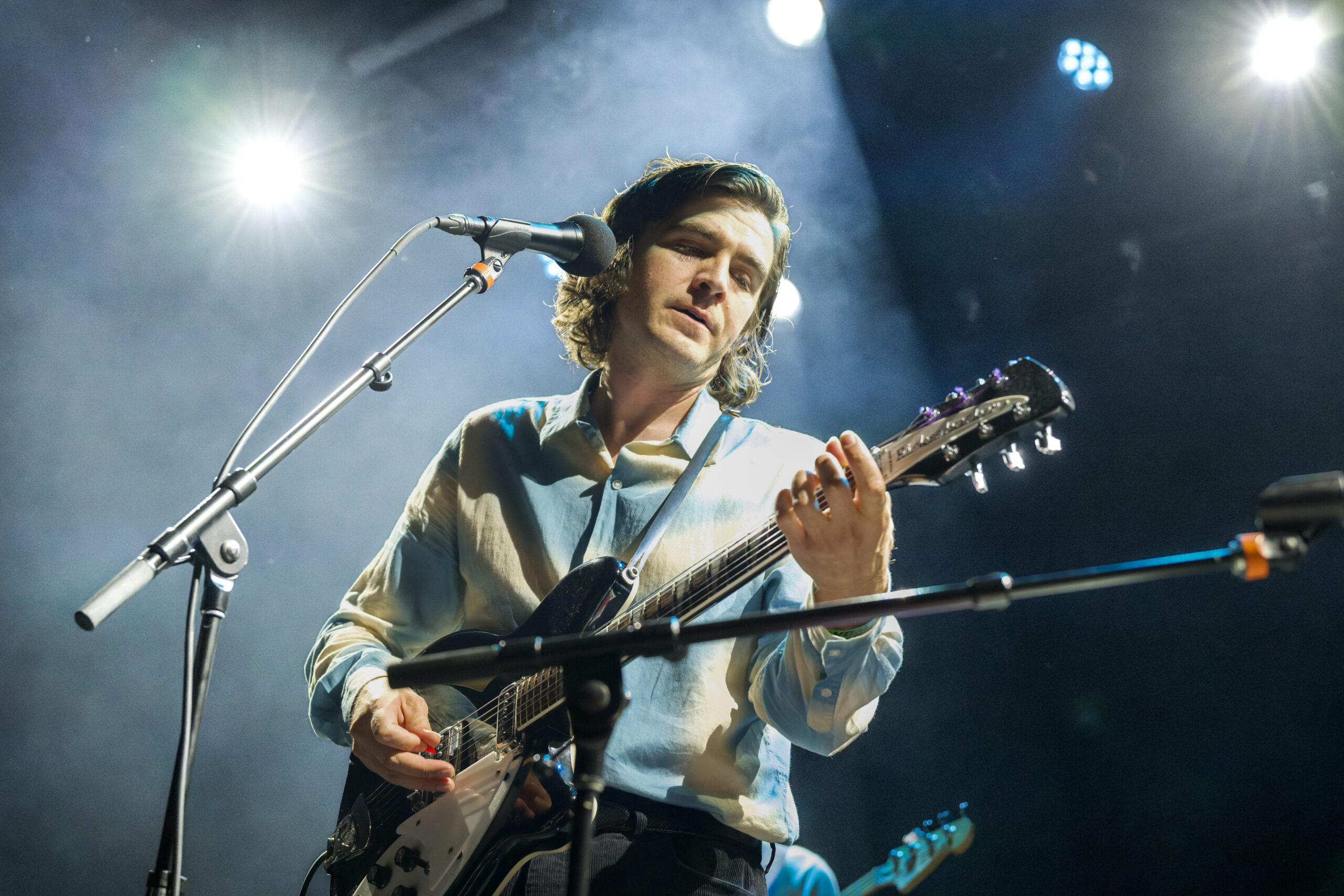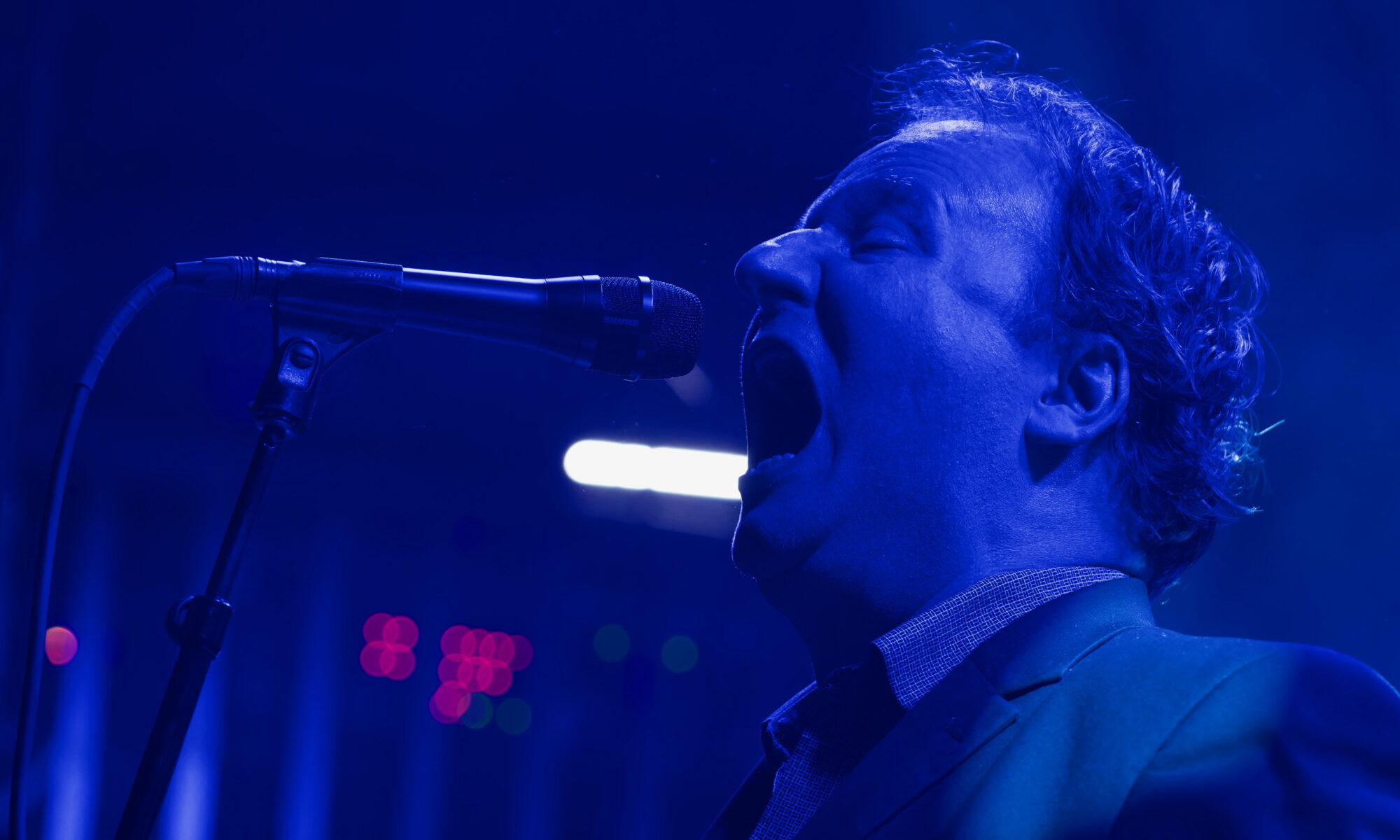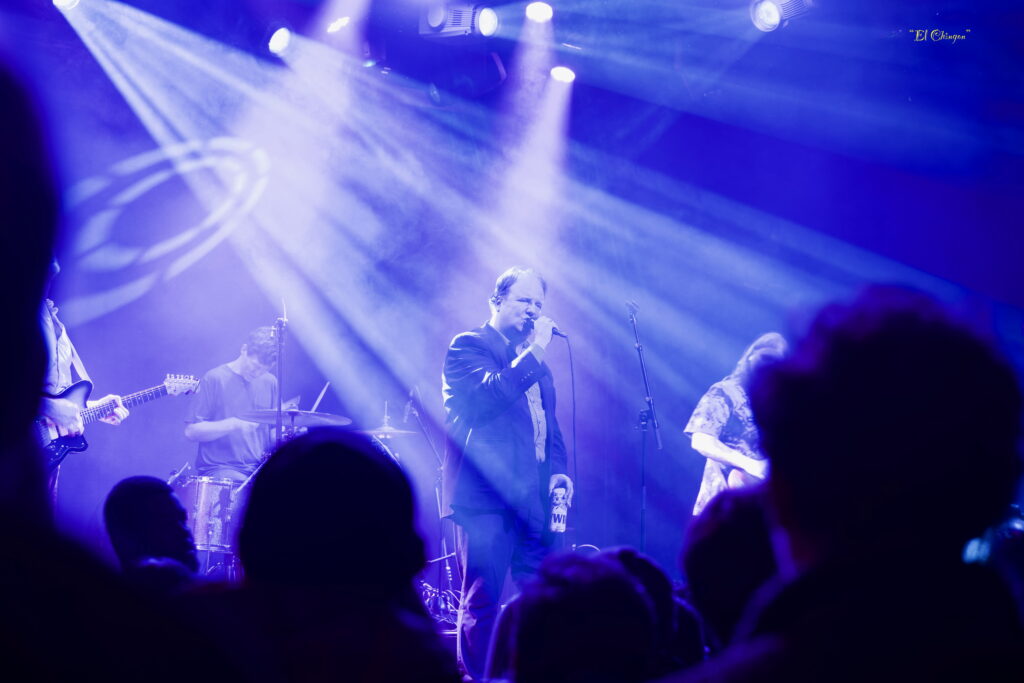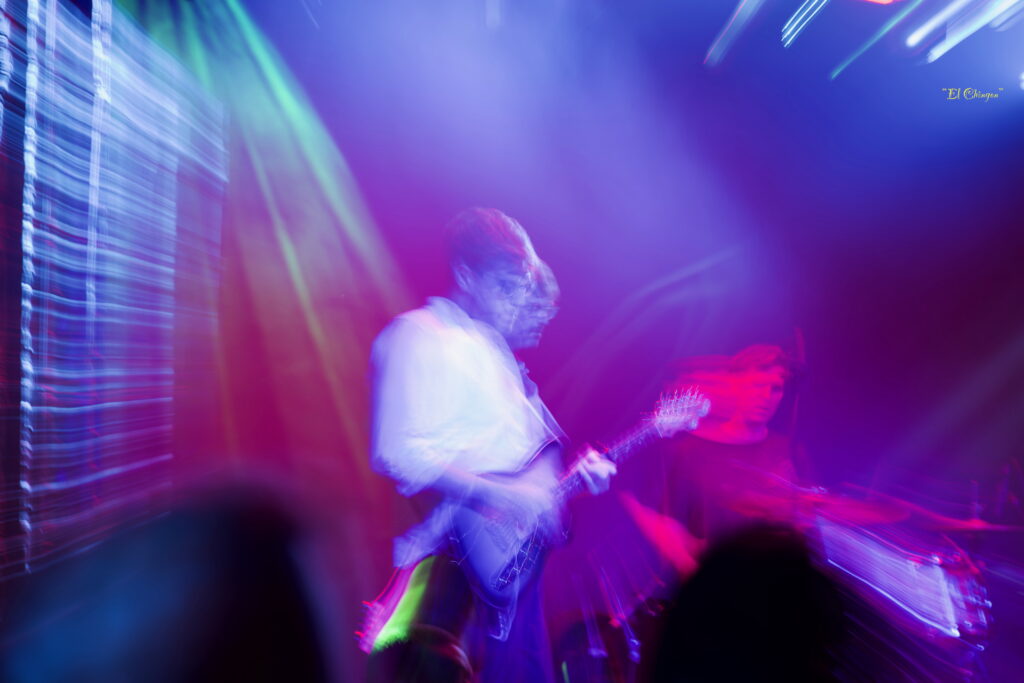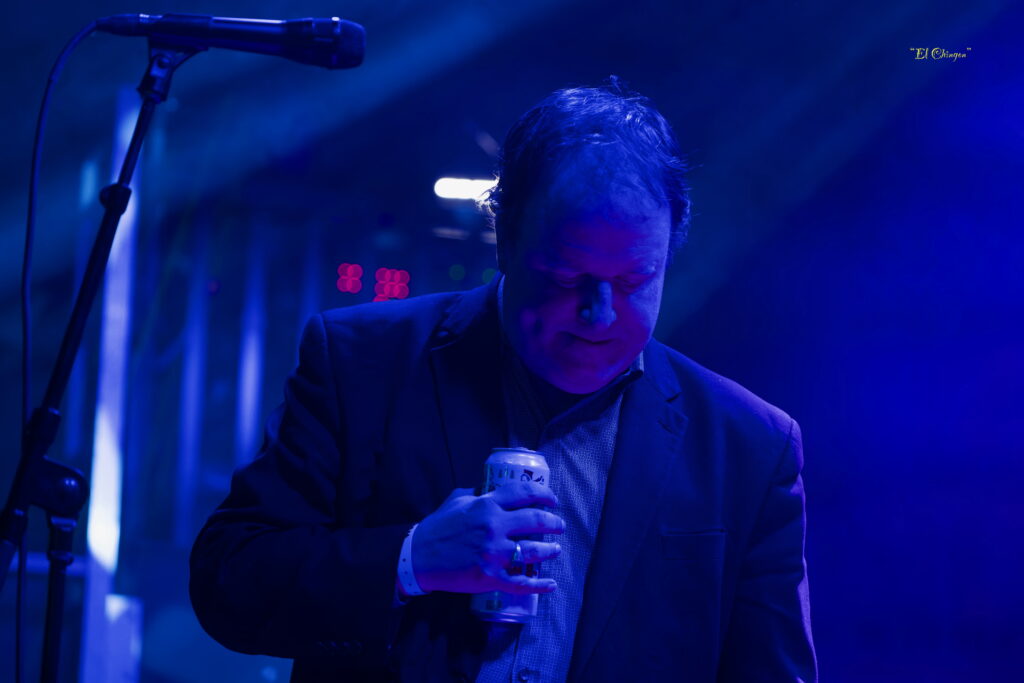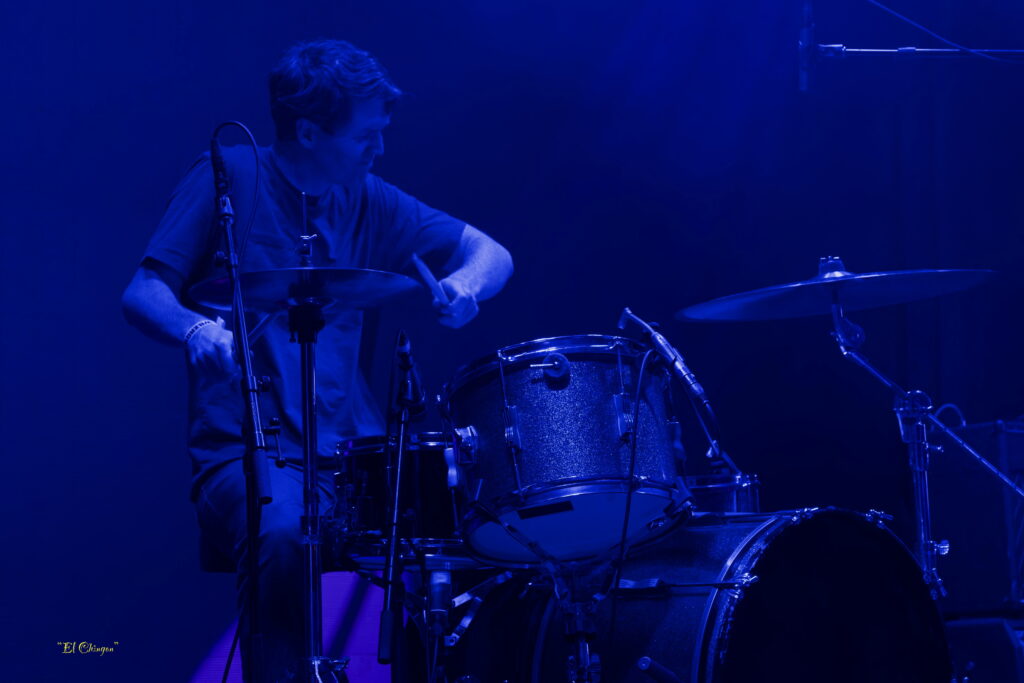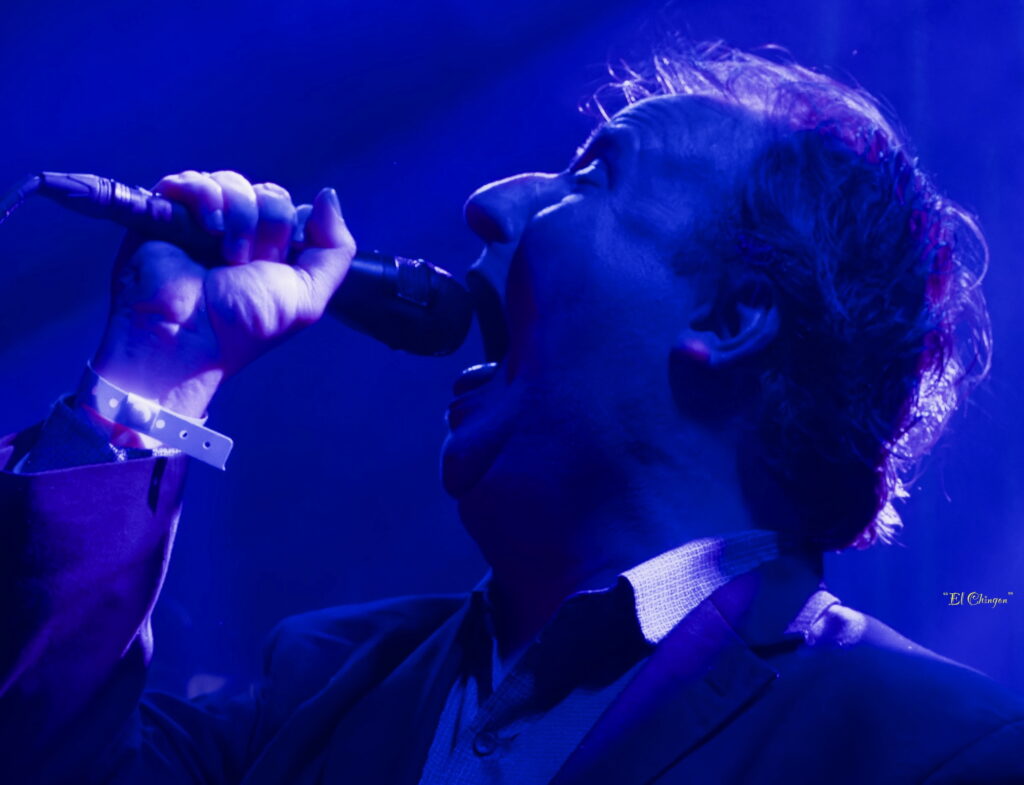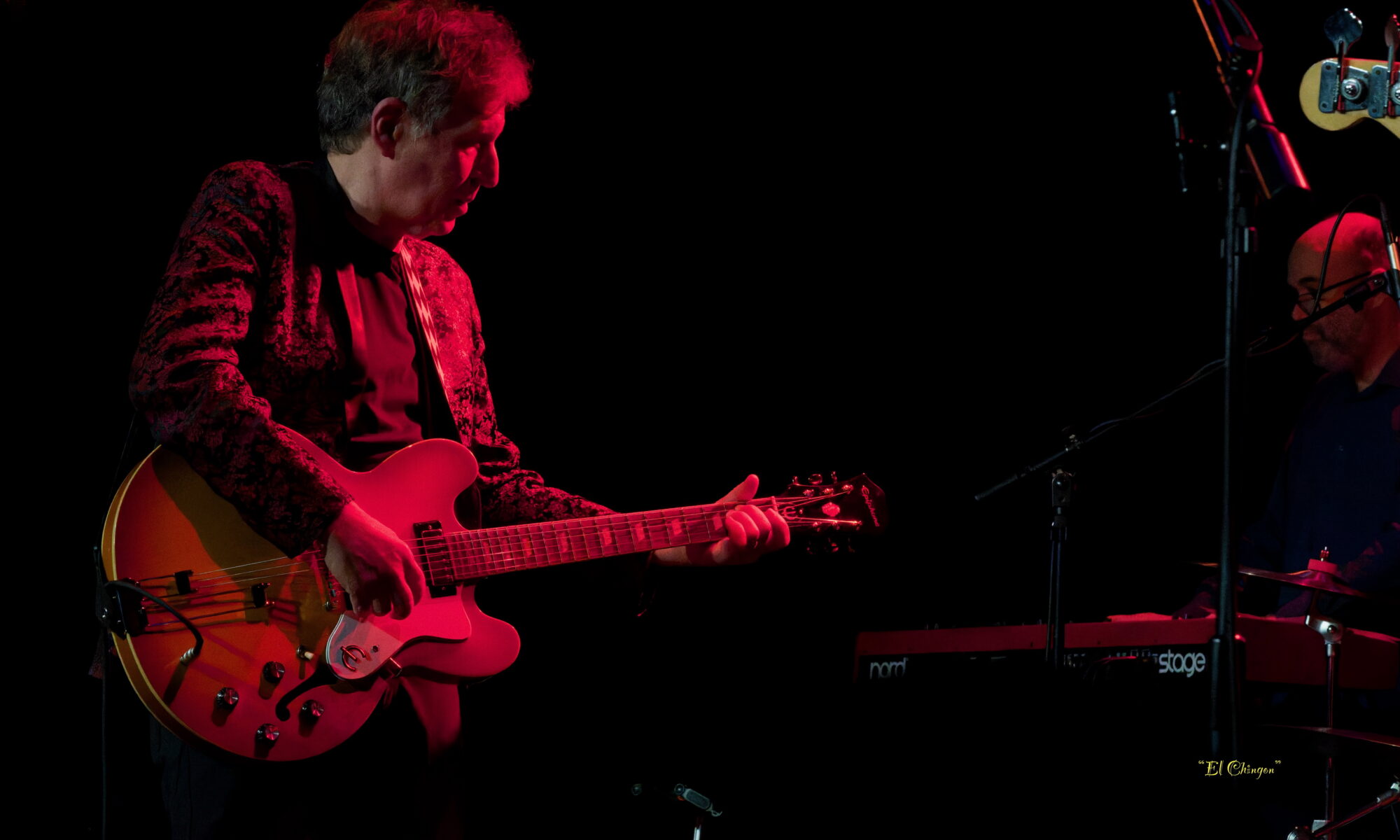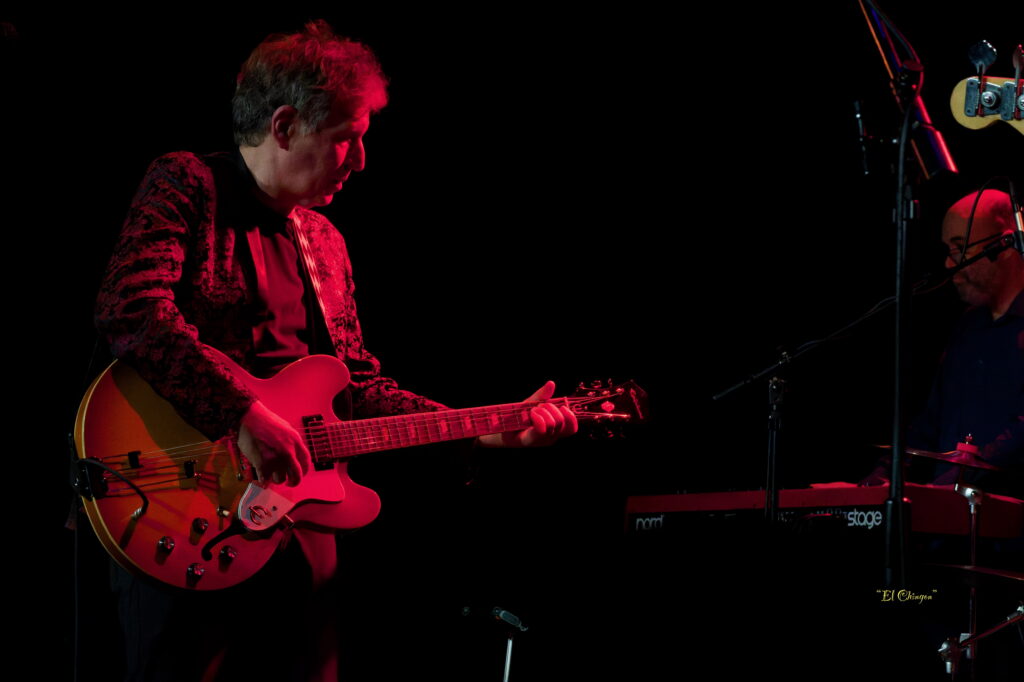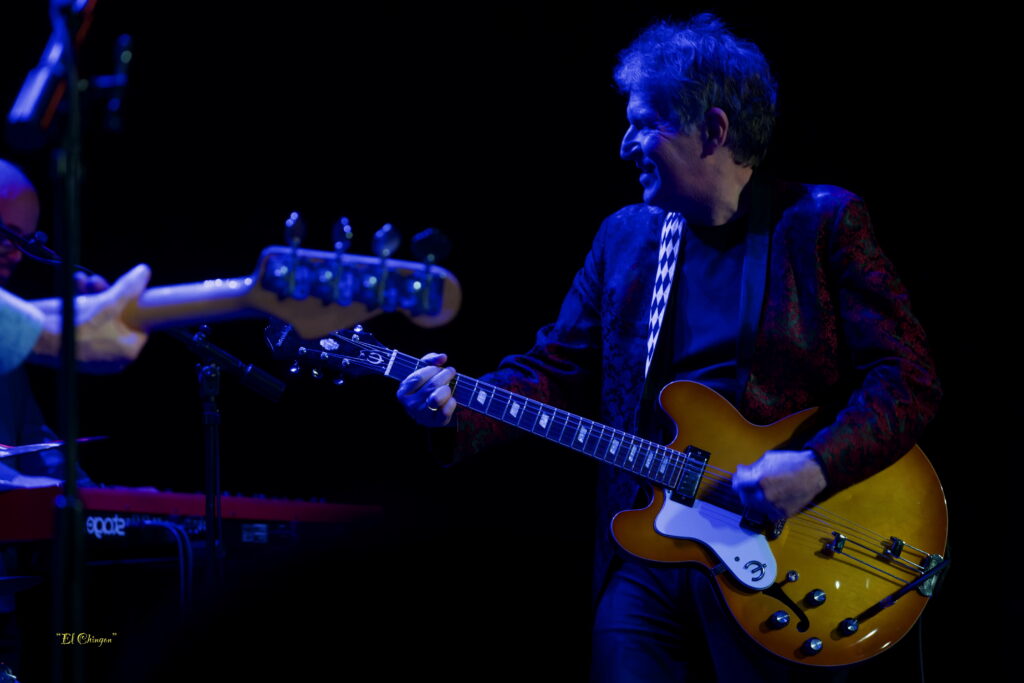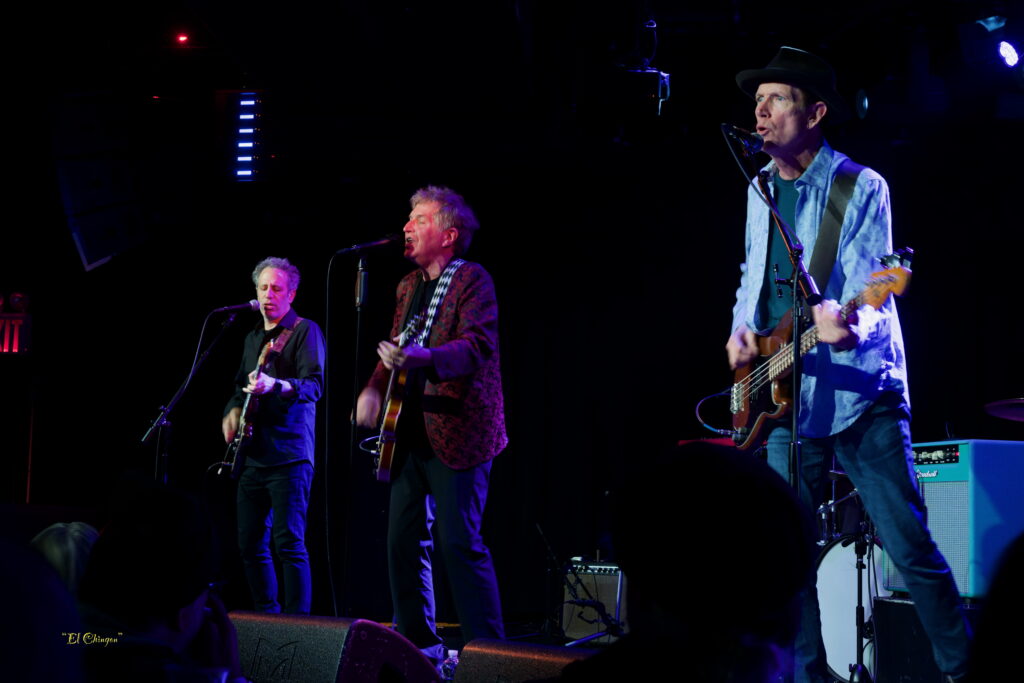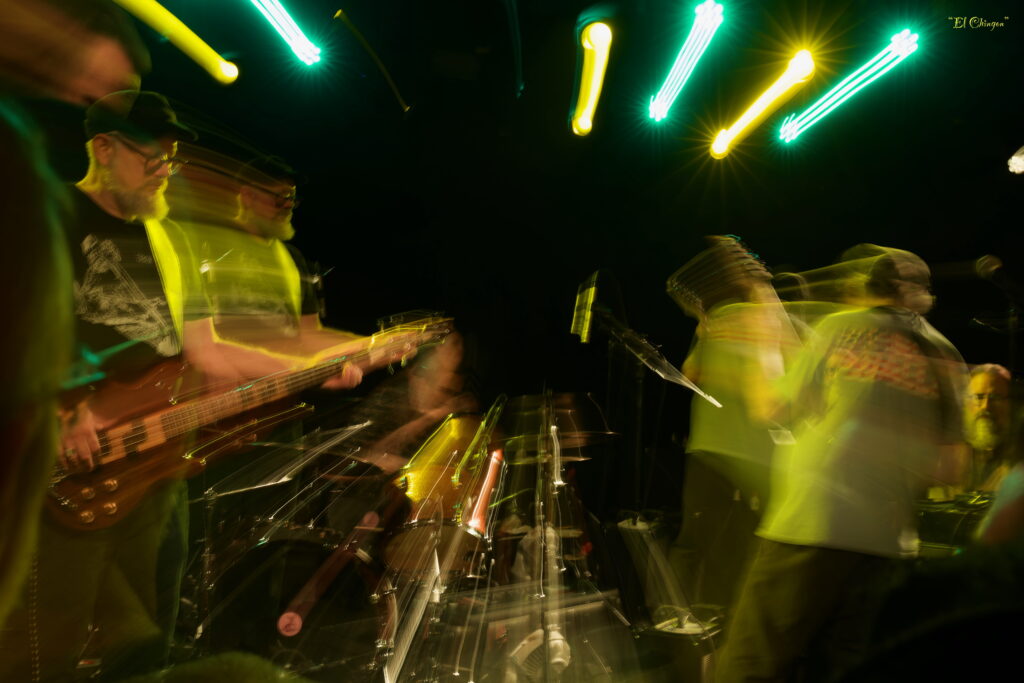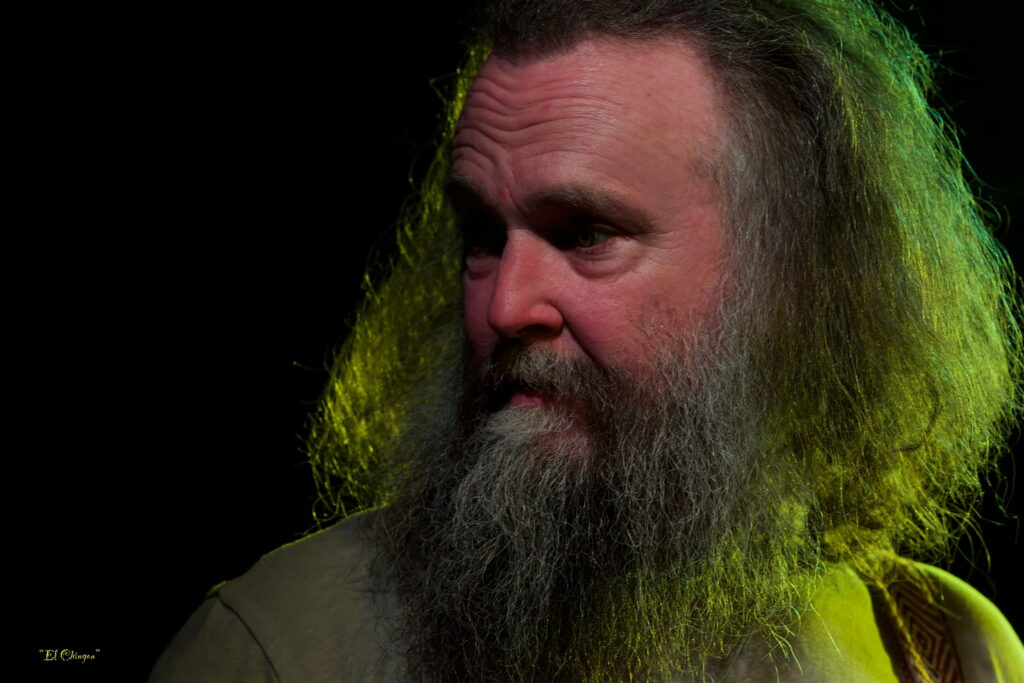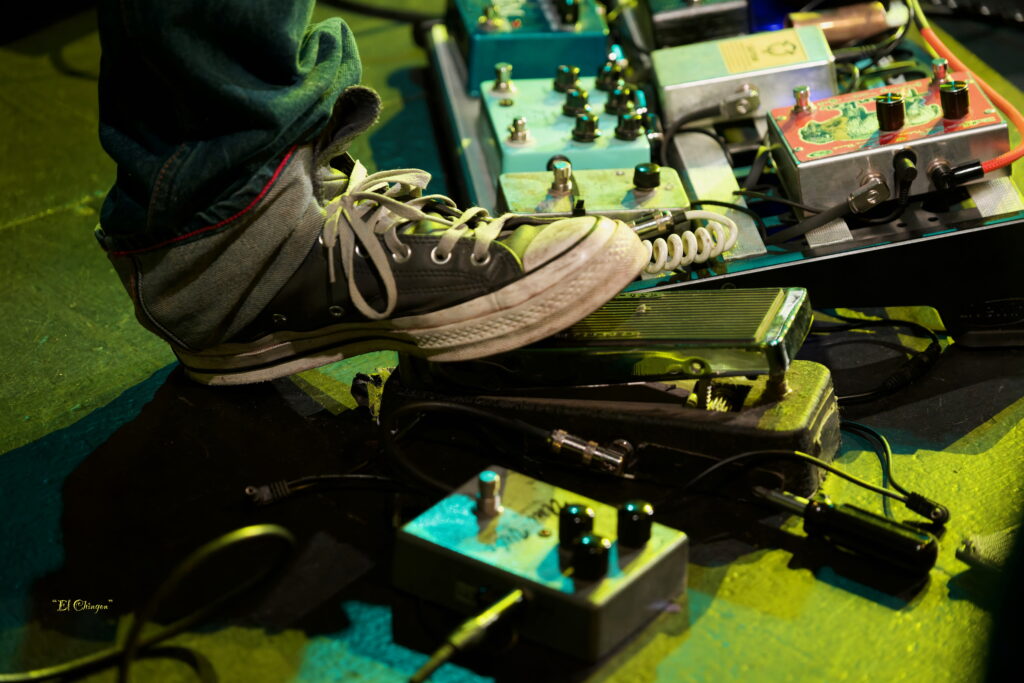
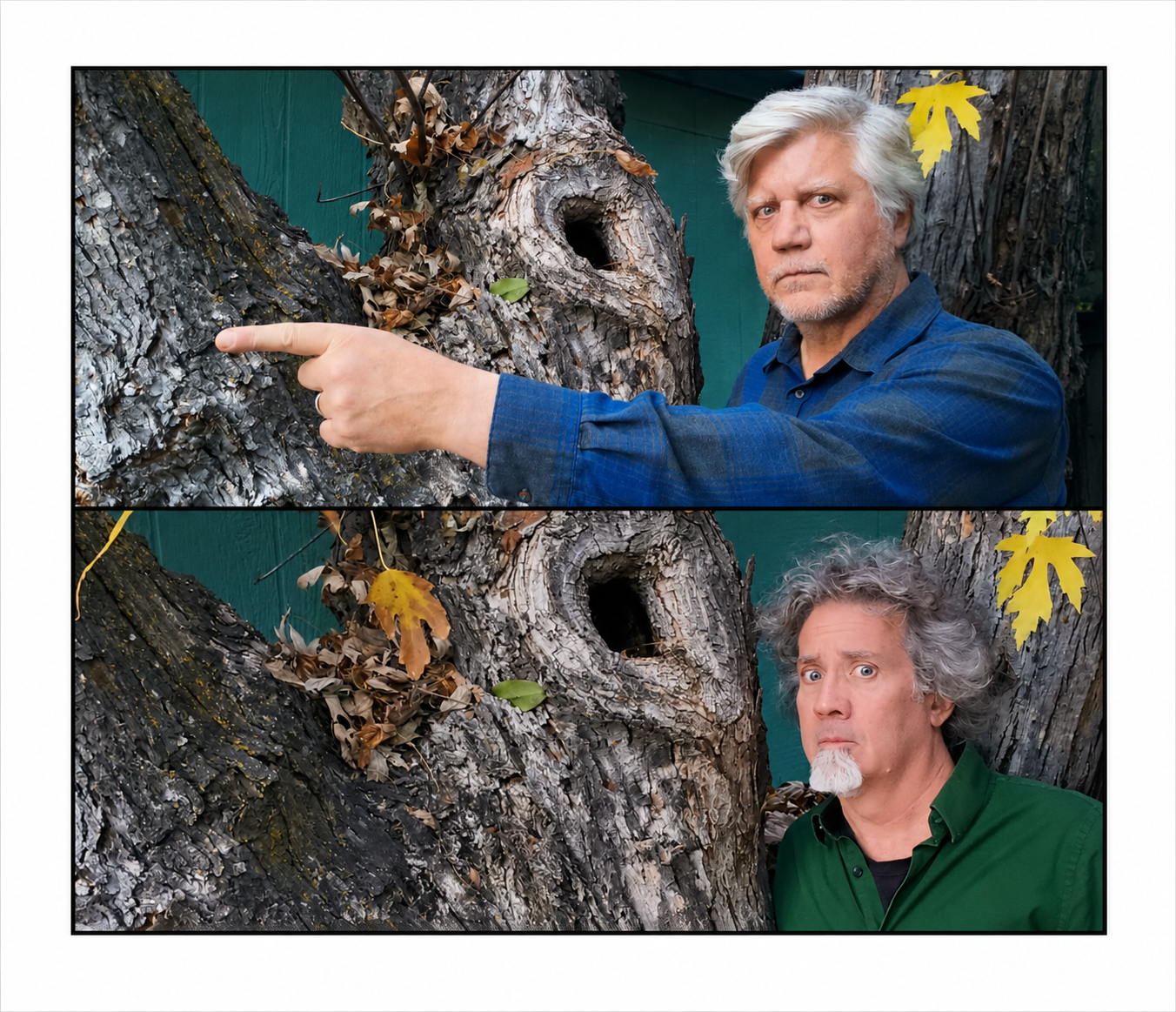
Roger Kunkel & Stoo Odom — Sniffing Spirits

A Journey Through the Dust, Darkness, and Hallucinations of the American Soul

Review by Jonathan Levitt https://www.instagram.com/elchingonphotography/

Some records you listen to. Others transport you somewhere else entirely. Sniffing Spirits, by Roger Kunkel and Stoo Odom, belongs to the latter category. Four tracks into this strange, immersive, and deeply cinematic journey, I find myself completely smitten. This is music that conjures landscapes, summons ghosts, and stares unflinchingly into the darker corners of the human condition. It’s the sound of a world coming apart, of lonely horizons and impending storms, of appetites that cannot be satisfied and truths that refuse to remain buried.

What makes this record so compelling is its refusal to settle into one place. It wanders between dusty Western soundscapes, hazy barroom romps, menacing guitar excursions, and hallucinatory explorations of a world teetering on the edge of collapse. There’s a roughness and unpredictability to it all that feels entirely intentional. Nothing is overly polished. Nothing feels safe. And that’s precisely the appeal.
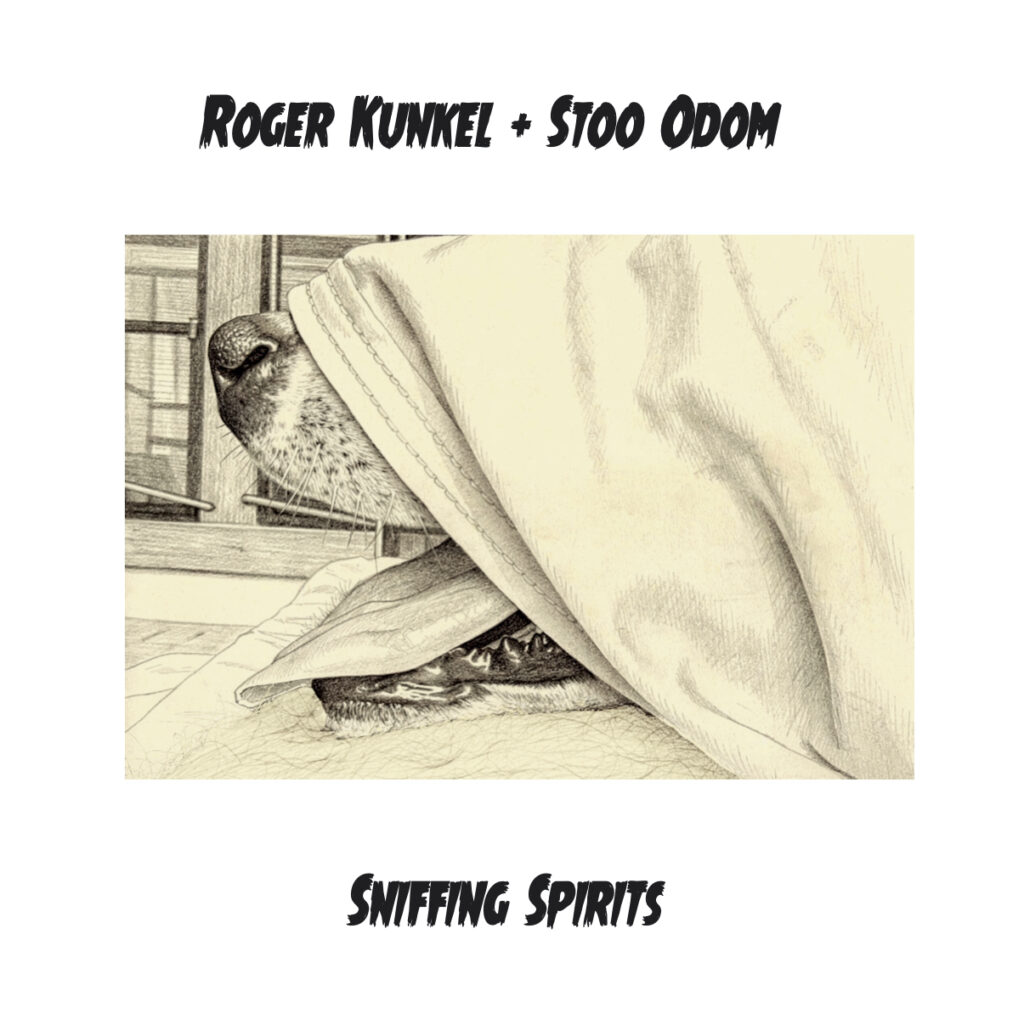
The opening track, “The Sniffing Song,” sets the stage with a wonderfully off-kilter barroom romp. The guitar is hazy and distorted, sounding almost as though you’re listening to an old transistor radio tucked away in the corner of some forgotten saloon. The vocals evoke an old-timey band playing to a handful of weary patrons somewhere in the American West. There’s a looseness to the performance, a wonderfully ragged quality that gives the song its character.

And then there’s the dog sniffing your bamboo sheets. Because why the hell not?

The absurdity is part of the charm. Musically, I hear echoes of Calexico and that unmistakable Giant Sand sensibility: the dusty Southwestern atmosphere, the slightly psychedelic haze, the feeling that the music might wander off into some unexpected territory at any moment. It’s playful, strange, and full of personality. Kunkel and Odom open the record by inviting us into their world, and it’s a world where conventional boundaries don’t seem to matter very much.

Then comes “Smell,” which takes us somewhere considerably darker. Suddenly, we’re back in the Old West, but this isn’t the romanticized frontier of Hollywood nostalgia. This is the desolate, unforgiving landscape of Sergio Leone’s The Good, the Bad and the Ugly. Endless desert. Gunslingers somewhere on the horizon. Dust swirling across barren ground. The end of the Earth. Hell itself. And somewhere in the distance, the unmistakable feeling that a shootout is coming.

There’s something profoundly mournful about this track. The drone, the twang of the guitar lurking in the background, the cavernous echoes stretching into the distance: everything contributes to a feeling of almost unbearable isolation. I can picture myself standing alone in the desert, staring toward the horizon and realizing I still have hundreds of miles to go. No refuge. No destination in sight. Just the landscape, the elements, and my own thoughts.

Then the weather begins to turn. Thunderstorms dominate the landscape. You can almost smell the rain approaching, feel the pressure building in the air, and sense the world holding its breath. Every little noise becomes amplified. Every distant sound carries a question. Is it friend or foe?

This is cavernous music, not for the faint of heart. It pulls you inward, past the surface of things, into some deeper, darker part of yourself. “Smell” is absolutely cinematic glory, the kind of track that could accompany a fever dream of the American frontier, where every shadow holds a secret and every silence feels dangerous. I’d love to experience this music live. Something tells me that standing in a room while these sounds unfold around you would be an extraordinary experience.
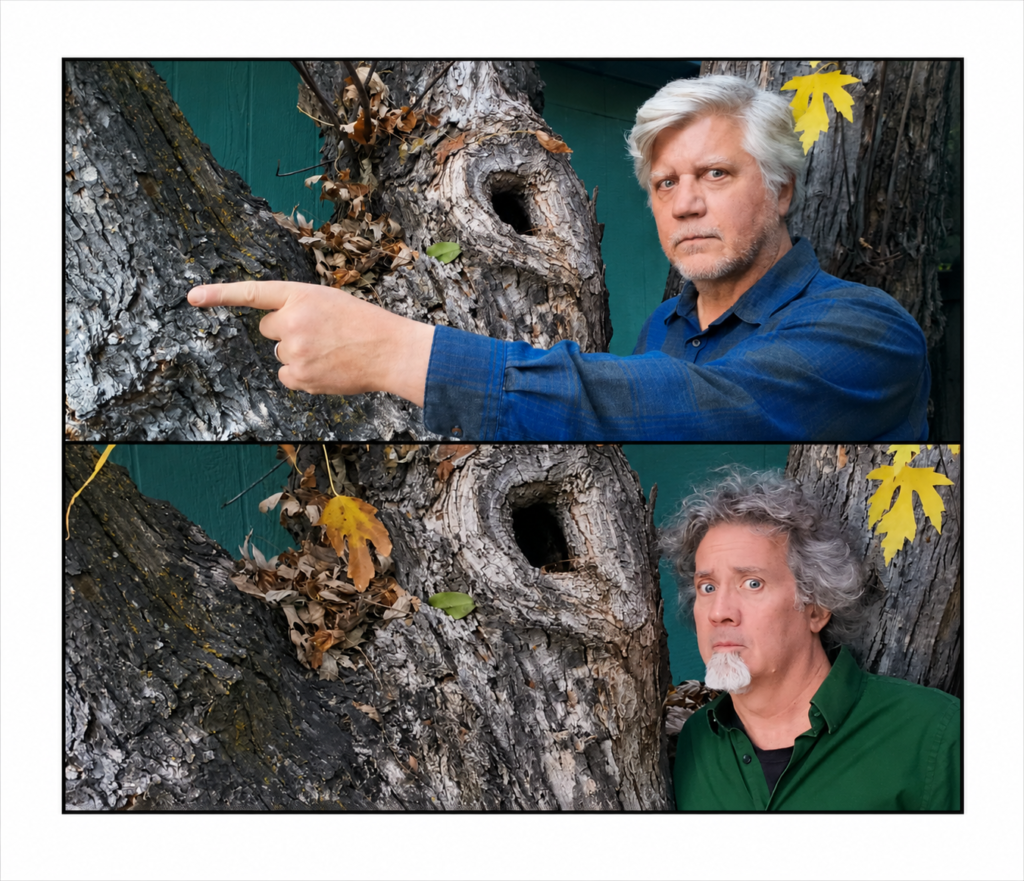
With “You Gotta Feed,” Kunkel delivers some of the most expansive, emotionally charged guitar work on the record. There’s a menacing guitar line running through the song, and I absolutely love it. The playing opens up the landscape, stretches toward the horizon, and cuts straight through the darkness. There are moments when it recalls elements of the Ruby Sea, that sense of beauty emerging from something vast, mysterious, and a little dangerous.

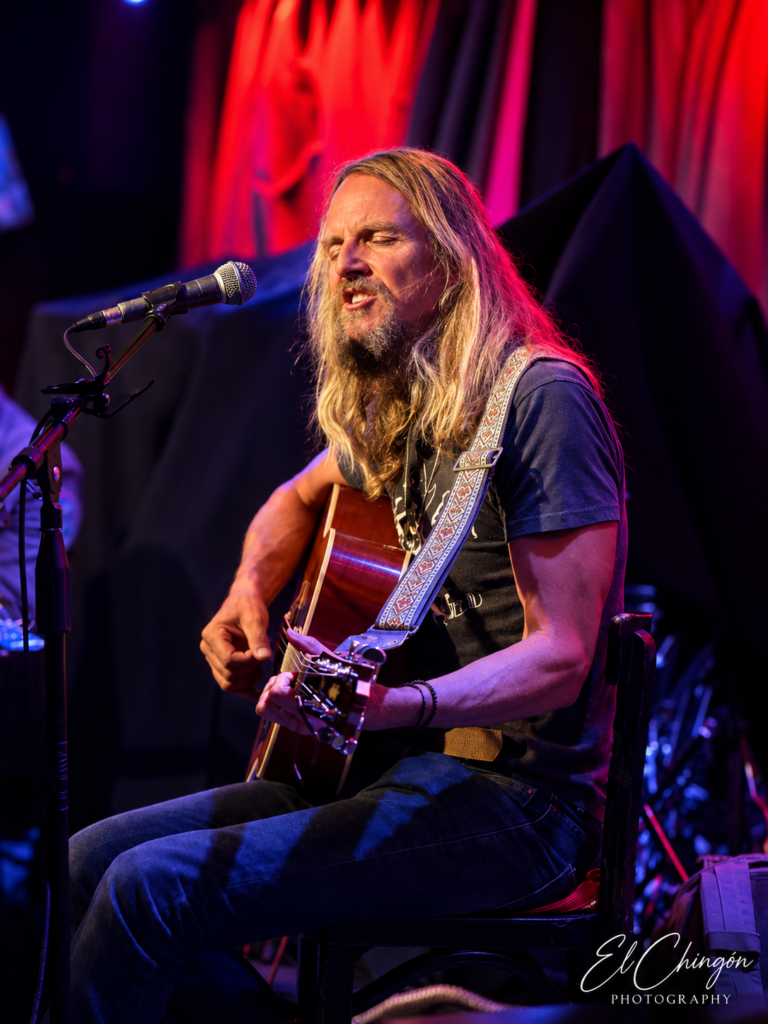
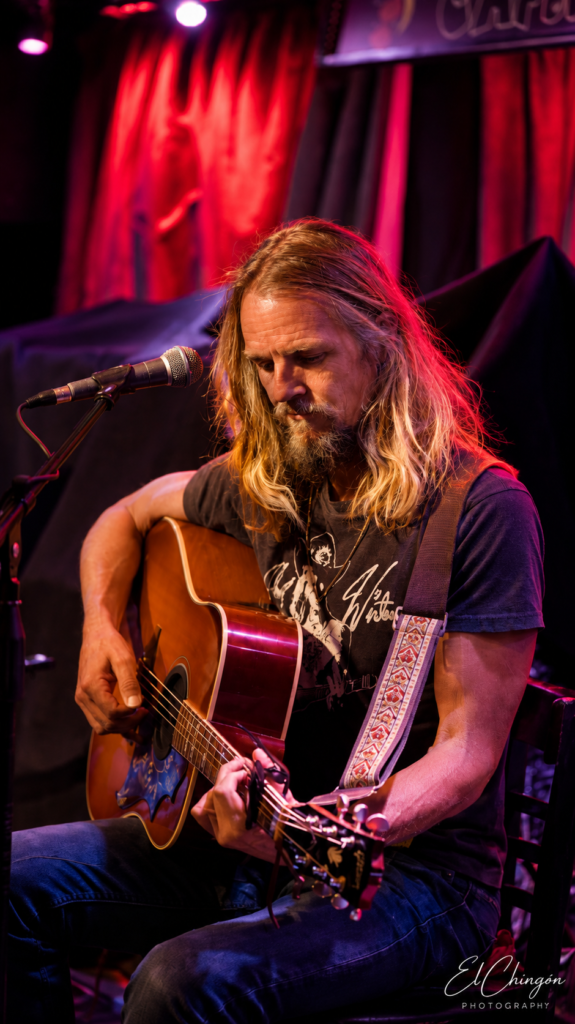
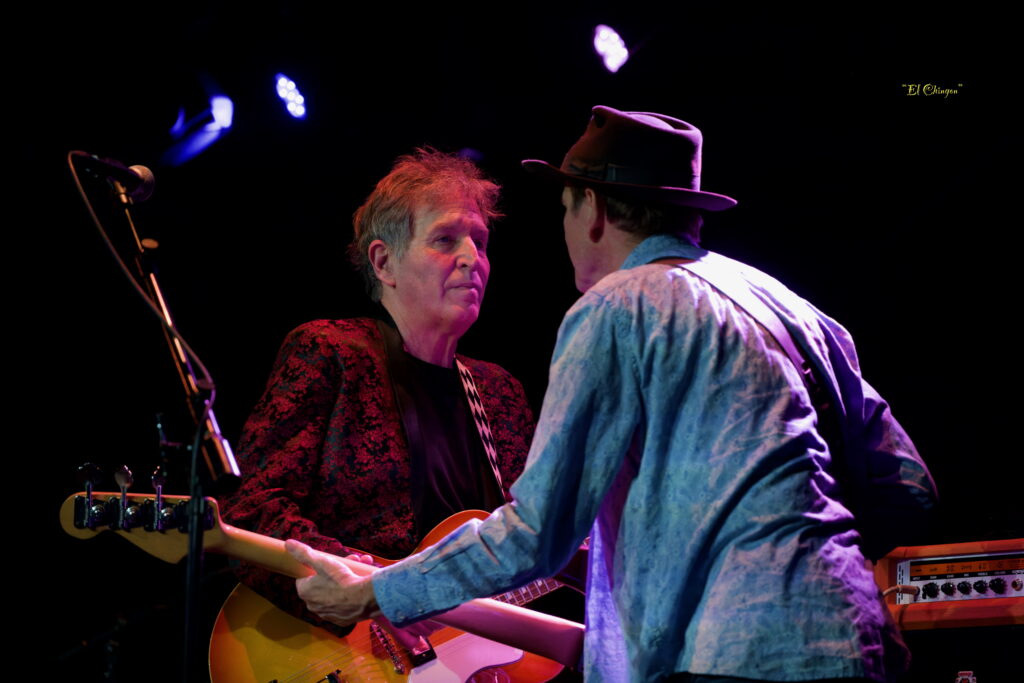
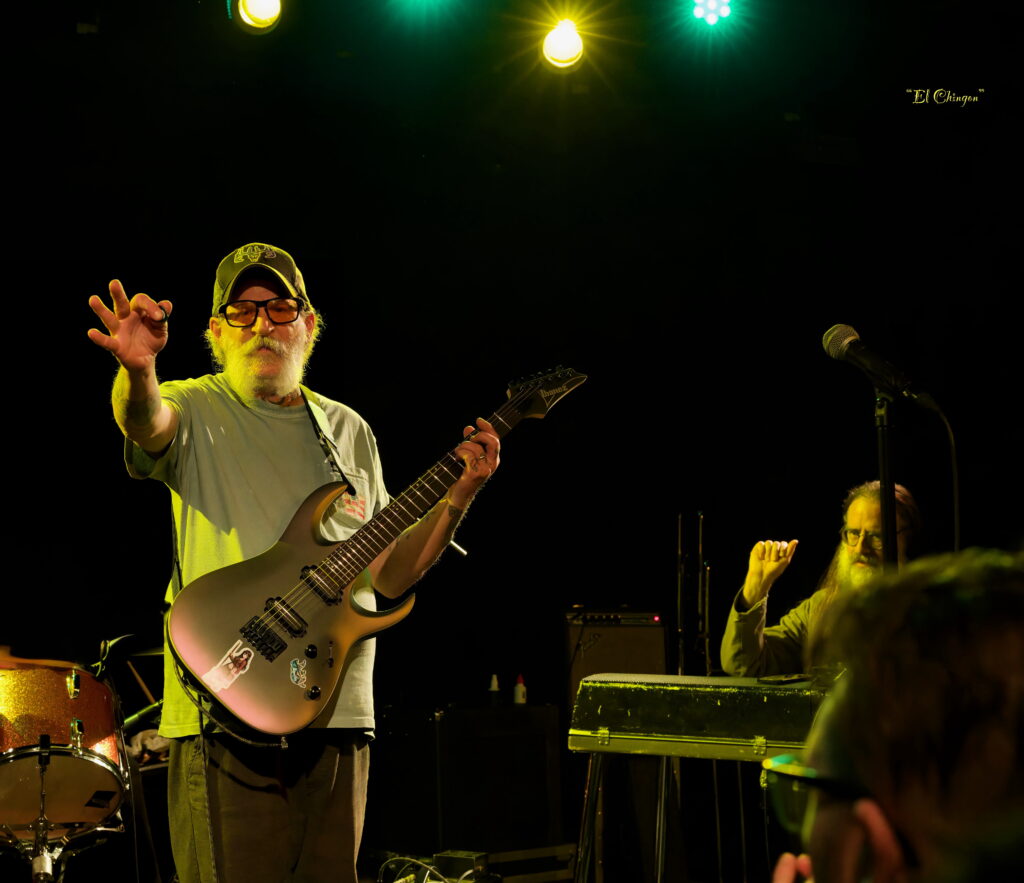
Roger Kunkel is an extraordinary guitarist, and what gets me is his range. He can deliver the quietest, most intimate, almost folksy tunes, then seemingly out of nowhere unleash blistering guitar work through his Cloud Seeder project. He knows when to hold back and when to let it rip. There’s a depth to his playing that I find endlessly compelling, and Sniffing Spirits is giving him room to explore that full range.

“You Gotta Feed” also brings to mind Crime and the City Solution’s Paradise Discotheque, with its dark, brooding atmosphere and sense of impending reckoning. There’s something almost Bible Belt about this song, too: raw, stripped down, and unafraid to look a man directly in the eye and tell him the truth.

It makes me think of the five fingers going straight to the heart of a man, an image associated with Robert Mitchum in The Night of the Hunter and Radio Raheem in Do the Right Thing. There’s no elaborate argument here, no bullshit, no hiding behind pretty words. Just the truth, delivered with enough force to leave a mark.

And then there are the lyrics:

“You feed off explosions, off of fireworks. You feed off anything that hurts. Love me like a lamprey, baby, suck upon my hide.”

Jesus Christ. Those lines are fucking incredible.

There’s something grotesque, intimate, and brutally honest about that imagery. The lamprey becomes a metaphor for a relationship built on consumption, for the kind of hunger that doesn’t simply want love but needs to feed on another person. Explosions, fireworks, pain: anything that produces a reaction, anything that keeps the machine running. It’s an image of an appetite that cannot distinguish between pleasure and destruction.

This is truth speaking deep truths. The music has the menace to match the words, but Kunkel’s guitar also gives it room to breathe, to expand into something almost beautiful. The darkness isn’t just darkness for its own sake. It illuminates something.

By the time we arrive at “Taste,” the fourth track, the record takes another unexpected turn. This is exploratory, unsettling music that feels as though it’s emerging from the wreckage of a world coming apart at the seams. Honestly, it might be the perfect soundtrack for the apocalyptic reality we’re living through in this country right now. Everything burning down. Everything being ravaged: the land, the people, the very foundations of what we thought we knew.

There’s a sense of collapse hanging over this song, as if we’re watching the whole damn thing unravel in slow motion.

But “Taste” isn’t simply an exercise in doom. It moves into a hallucinatory space, somewhere between consciousness and delirium, where familiar sounds become unfamiliar and you’re no longer entirely sure where the ground beneath your feet has gone. It feels like fingertips desperately clinging to the edge of something, holding on by the thinnest possible margin.

Things are simmering here. You can feel the tension building beneath the surface, the sense that something terrible might happen at any moment, but nothing quite explodes. Instead, the song leaves you suspended between anticipation and dread.

I keep thinking about cinema while listening to this track. If someone doesn’t pick up “Taste” and use it in a film soundtrack, they’re missing an enormous opportunity. I can absolutely imagine it in a Coen Brothers film, accompanying some bizarre, darkly comic sequence in which the world has gone completely sideways and the characters are stumbling toward an inevitable reckoning. I can hear it in a Jim Jarmusch movie, too, where the music becomes part of the landscape, a strange and beautiful presence that says more than dialogue ever could.

And then there’s the ghost of Neil Young’s Dead Man soundtrack hovering somewhere in the background. That same feeling of drifting through a haunted landscape, where time seems to have slowed down and the distinction between the real and the imagined begins to dissolve.

“Taste” doesn’t need to tell you what’s happening. It lets you feel it. It doesn’t rush toward a conclusion or offer the comfort of an easy resolution. It lets the tension breathe. It lets the darkness gather.

Four tracks into the unknown

What strikes me most about Sniffing Spirits is how completely it commits to atmosphere. These songs aren’t merely collections of melodies and lyrics; they’re environments. Each track opens a door into a different psychological landscape, and each one leaves you somewhere you weren’t expecting to go.

There’s the absurd, fuzzy charm of “The Sniffing Song.” The mournful desert isolation of “Smell.” The brutal emotional honesty and extraordinary guitar work of “You Gotta Feed.” And the hallucinatory dread of “Taste,” with its vision of a world slowly burning itself to the ground.

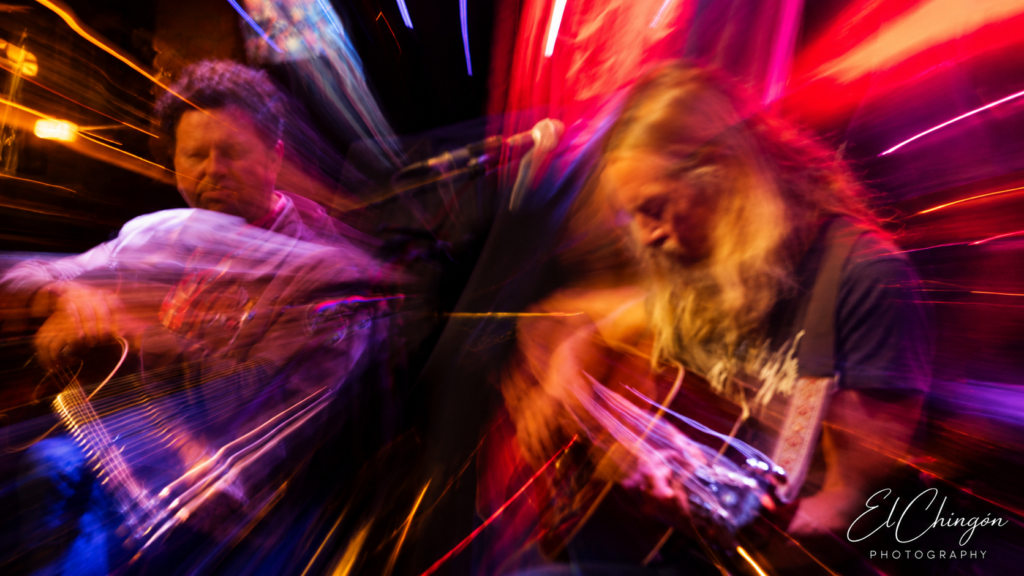
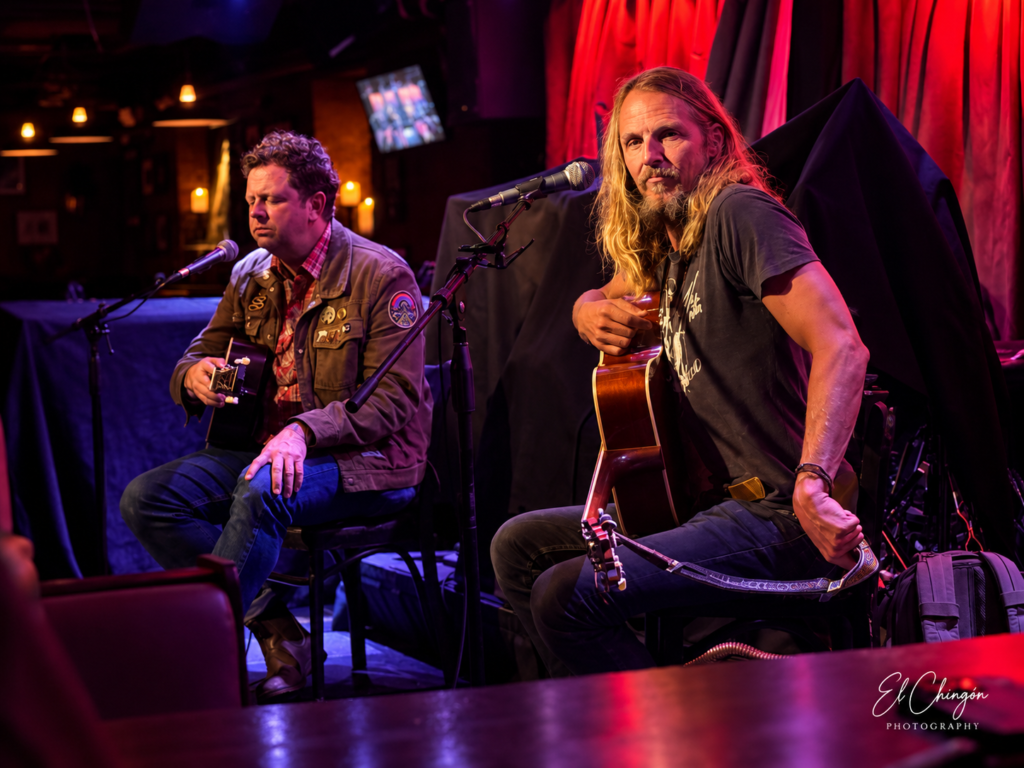
Across all four tracks, Kunkel’s guitar is a constant source of fascination, whether it’s twanging through a hazy saloon, echoing across an imaginary desert, cutting into the heart of a song, or contributing to an atmosphere of creeping unease. His ability to move between restraint and ferocity gives the record much of its emotional power. Odom’s presence alongside him helps make this musical landscape feel like a shared exploration rather than a predictable exercise in genre.

The reference points are there if you want them: Calexico, Giant Sand, Crime and the City Solution, Neil Young’s Dead Man. But the real achievement is how these influences illuminate the music without defining it. Sniffing Spirits inhabits a space of its own, somewhere between the American frontier, the haunted barroom, and the end of the world.

This is music that cuts through the bullshit. Music that understands the power of silence, distortion, menace, and a perfectly placed guitar line. Music that can make you laugh at the absurdity of a dog sniffing bamboo sheets one moment and leave you staring into the abyss the next.

It’s strange. It’s beautiful. It’s unsettling. And it feels alive.

Everything is simmering. The horizon is darkening. Somewhere, thunder is rolling across the desert.

And I can’t wait to hear what comes next for these guys.

5/5 stars

Check out their Bandcamp page here.
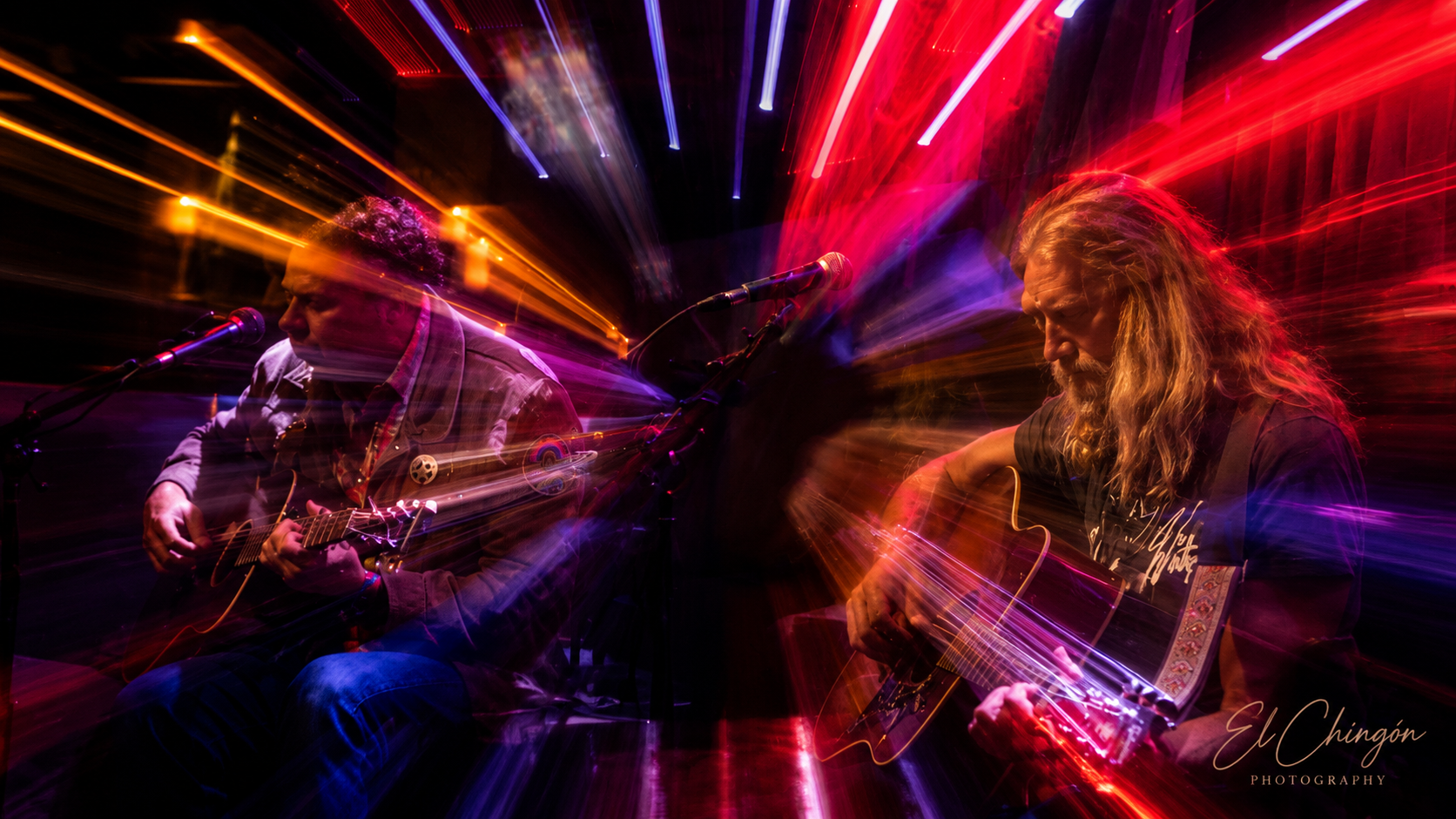
https://odom-kunkel.bandcamp.com

Abe Partridge and Charlie Mars at Cafe Wha?: A Night of Songs, Stories, and Hard Truths New York City | October 9, 2026

Photos and words by Jonathan Levitt

Sometimes you go to a concert expecting a few hours of music. And sometimes you walk out feeling as though someone has reached into your chest, found the things you’ve been struggling to articulate, and given them a melody.

On October 9, I was invited by my friend Alicia to see Abe Partridge and Charlie Mars at Cafe Wha? in Greenwich Village. What unfolded was something beautiful, haunting, sad, funny, and ultimately uplifting. It was the kind of evening that reminds you what live music can be when you strip away the spectacle and leave two musicians, their instruments, their stories, and an audience willing to listen.

Partridge and Mars sat side by side, trading songs and stories, one after another. There was funny banter, recollections of lives lived, and moments of startling vulnerability. They weren’t simply performing for us. They were inviting us into their lives. The audience seemed to hang on every word, and the affection in the room was unmistakable. I only wish more people had been there. It saddened me to see the room less than full, because what was happening on that stage deserved a much larger audience.

But those of us who were there got something special.

And, frankly, something I think many of us desperately needed.

We live in a world increasingly saturated with artificiality, where algorithms decide what we hear and artificial intelligence can manufacture something that resembles a song without necessarily having anything to say. I’m not interested in dismissing every technological advancement or pretending that music has to be made a certain way. But there is a difference between something that sounds like music and an artist who has lived through something painful, carried it for years, and finally found the words to tell us about it.

This was the real deal. I don’t use that phrase lightly.

I used to be something of a music snob. My tastes leaned heavily toward alternative music, and anything that smelled of singer-songwriter earnestness, folk, or country was likely to be dismissed before I gave it a fair hearing. There’s a certain irony in that, given that I’m from El Paso, Texas. But tastes change, and so do we. I’ve become increasingly drawn to artists who can tell a story so vividly that you find yourself inhabiting someone else’s experience, seeing the world through their eyes for a few minutes.

Both Abe Partridge and Charlie Mars have that ability.

Abe Partridge: The courage to confront uncomfortable truths

Two of Partridge’s songs, in particular, have stayed with me.

One dealt with his experience in Iraq. I don’t know the song’s title, but I remember an image from a lyric: a dove landing on top of a machine gun.

It’s difficult to imagine a more devastating juxtaposition. A dove, an enduring symbol of peace, perched on a weapon designed to destroy life. In that single image, the contradictions of war, the fragility of faith, and the distance between the ideals we profess and the violence we perpetuate seemed to converge.

The song was stark and painful. It asked difficult questions about faith, national priorities, and the machinery of American warfare. It didn’t need to shout to make its point. Its power came from the lived experience behind it, from the willingness to look directly at something terrible and refuse to turn away.

I found it profoundly moving.

Then there was another song, one that confronted the political appropriation of Christianity and the use of Jesus Christ’s name in the MAGA movement. Again, I don’t know the title, but I remember the feeling it left me with.

I won’t pretend my own politics are irrelevant here. I’m a liberal living in New York City, and I have watched with dismay as religious language is wielded to justify political agendas that seem to me to stand in direct opposition to the compassion, humility, and concern for the vulnerable that Christianity professes.
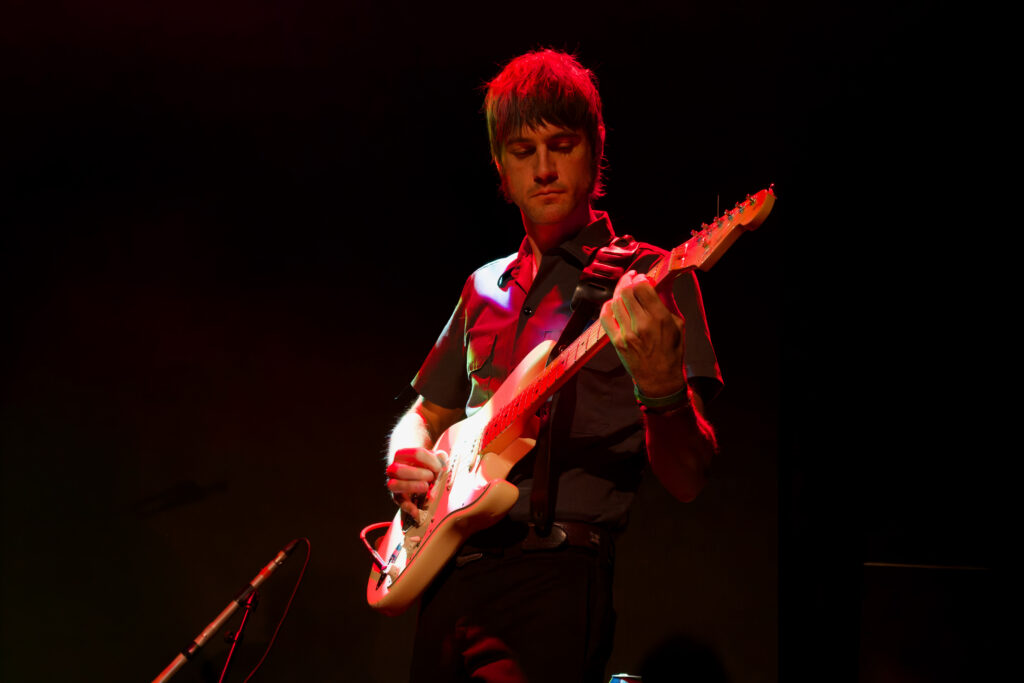
But my gratitude for that song went beyond political agreement. I was grateful to hear an artist confront the contradiction directly, without retreating into vague platitudes or the safety of saying nothing at all. Partridge was willing to address the disillusionment that comes when people invoke a faith while seemingly abandoning its fundamental principles.

Art doesn’t have to confirm what we already believe. Sometimes it needs to articulate what we’ve been struggling to understand, or give voice to an anger and sadness that have become difficult to express.

That song did something like that for me.

And it mattered.

Charlie Mars: The stories behind the songs

Mars brought his own brand of honesty to the evening, speaking about his life, his struggles with drugs, his relationships, and his time in Austin. He also recounted touring with the Hanson brothers, a detail that made me smile.

I remember Hanson as the epitome of late-1990s pop-star absurdity. The idea of their paths intersecting with Mars’s musical world was amusing enough on its own, but it was also a reminder of how little we know about the lives and careers unfolding behind the music we casually categorize and dismiss.

Mars’s stories were funny at times, painful at others, but they never felt like rehearsed confessions delivered for effect. They felt like the recollections of someone who had been around long enough to understand that life rarely unfolds in a straight line. There are mistakes, detours, heartbreaks, addictions, reinventions, and moments of grace. Sometimes all you can do is turn them into songs and hope someone recognizes a little of themselves in them.

I appreciated that honesty immensely.

There is something refreshing about musicians who don’t feel compelled to construct an invulnerable persona. They let you see the damage, the humor, the contradictions, and the person underneath the performance. Mars and Partridge seemed entirely comfortable allowing their songs to speak for themselves while giving us enough of the stories behind them to understand where the songs came from.

That kind of intimacy is rare, and it was a gift.

The problem with assumptions

At one point, the conversation touched on the dismissive labels people had applied to them, the sort of language that reduces Southern and rural Americans to caricatures. I may not remember the exact term they used, but I remember the underlying point.

We make assumptions about people based on their accents, their backgrounds, and the places they call home. We hear a Southern accent and imagine a particular set of politics, a particular cultural identity, a particular understanding of America. We assume we know what someone believes before they’ve had a chance to tell us.

But people are more complicated than our stereotypes allow.

Here were two men whose backgrounds and musical sensibilities might lead some listeners to make assumptions about them, and yet they were confronting war, addiction, disillusionment, religious hypocrisy, and the moral failures of American life with remarkable clarity.

Their music crossed the boundaries that people are so eager to erect. It reminded me that empathy doesn’t belong to a political party, a geographic region, or a cultural tribe. Neither does honesty.

And perhaps that’s one of the reasons the evening felt so meaningful. In a city as punishing as New York can sometimes be, where everyone seems to be moving quickly and guarding some part of themselves, two musicians sat down and made room for complexity. They didn’t ask us to agree on everything. They simply asked us to listen.

We did.

What live music is supposed to do

What struck me most about the evening was how little it depended on spectacle.

There were no elaborate production tricks, no manufactured moments designed to go viral, no need to overwhelm the senses. There were songs, stories, instruments, and two men willing to put something of themselves on the line.

And there was an audience that seemed genuinely grateful for the experience.

We talk a great deal about music as entertainment, as a commodity, as something to stream while we work or drive or scroll through our phones. But music can be something much more necessary. It can help us process grief, anger, fear, disappointment, and the bewilderment of living through a period when so much seems to be coming apart.

That night, Partridge and Mars gave me a soundtrack for some of the pain I’ve been carrying as I watch what’s happening in this country and around the world. Their music didn’t make those feelings disappear. It didn’t offer easy answers or pretend that everything would be fine.

Instead, it made those feelings feel less isolating.

Sometimes that’s the most meaningful thing art can do. It can tell you that someone else has seen what you’ve seen, felt some version of what you’ve felt, and found a way to make something honest out of it. You leave not necessarily happier, but more connected, more understood, and perhaps a little more capable of carrying whatever comes next.

That is no small thing.

What comes next

I left Cafe Wha? wanting to hear more from both artists. I want to spend time with Charlie Mars’s records, and I was especially excited to learn that Abe Partridge has a new record coming out. I can’t wait to hear it, and I’m looking forward to introducing his work to my friend Fred Mills, whose knowledge of Southern music and singer-songwriters is exceptional.

I owe Alicia a thank-you for the invitation, too. It would have been easy to spend that Friday evening doing any number of other things. Instead, I found myself in a small room listening to two musicians tell the truth as they understood it, and I was reminded of why I fell in love with music in the first place.

Abe Partridge and Charlie Mars gave us something beautiful that night. It was haunting and sad in places, funny in others, and ultimately uplifting, not because it denied the darkness but because it confronted it honestly.

I wish the room had been full. I wish more people had been there to hear those songs, to sit with those stories, and to discover what I discovered.

But I’m grateful I was there.
Thank you, Abe Partridge and Charlie Mars, for the music, the candor, the humor, and the courage to sing about things that matter. Thank you for reminding me that behind all the noise, the algorithms, the political posturing, and the endless churn of modern life, there are still people making art out of their experiences and offering it to strangers.

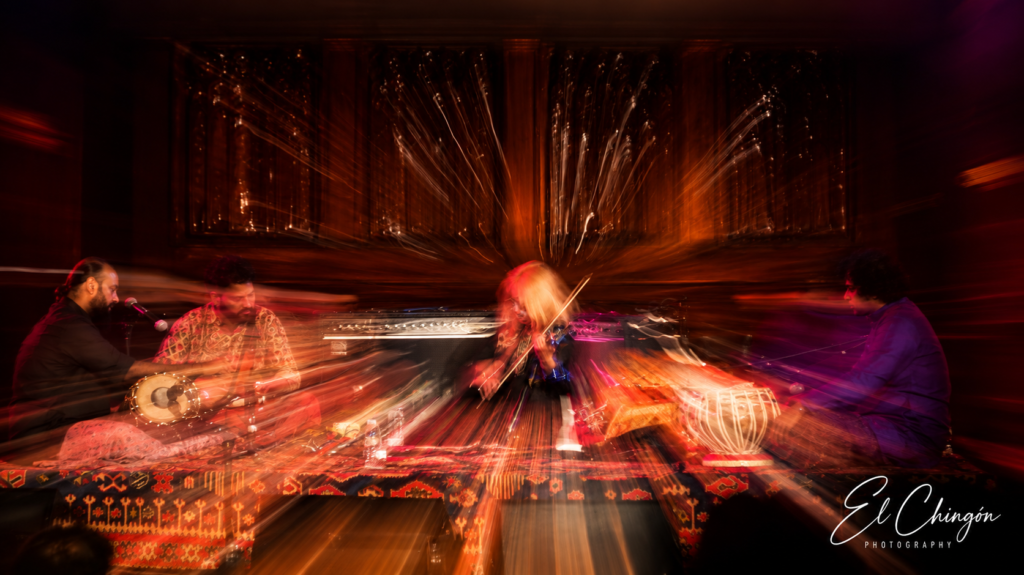
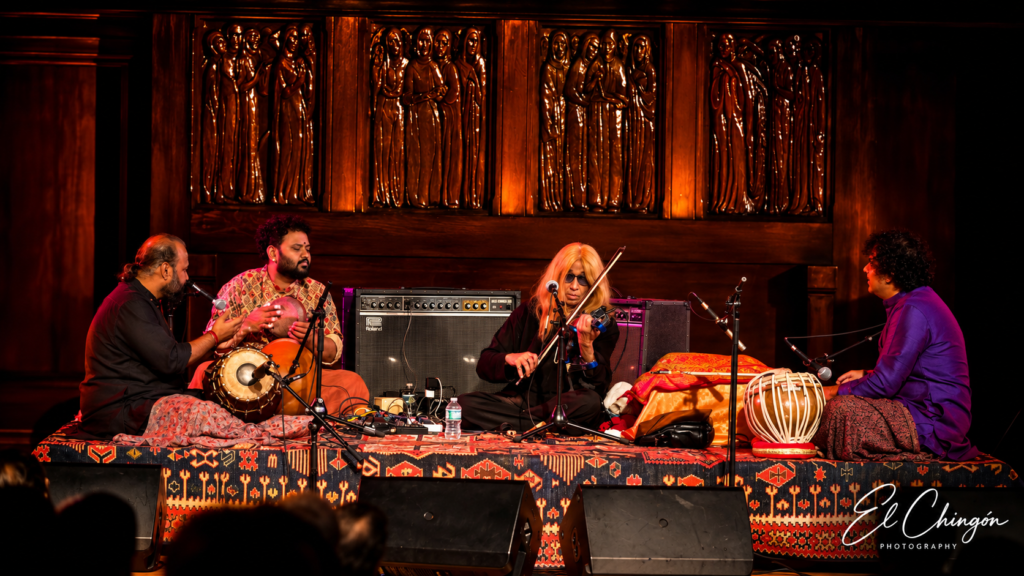
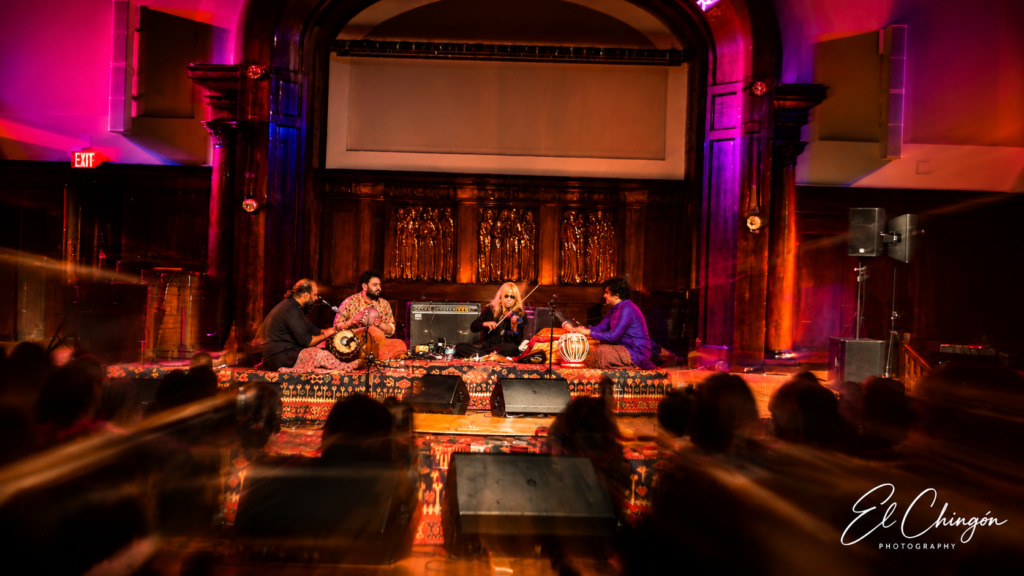
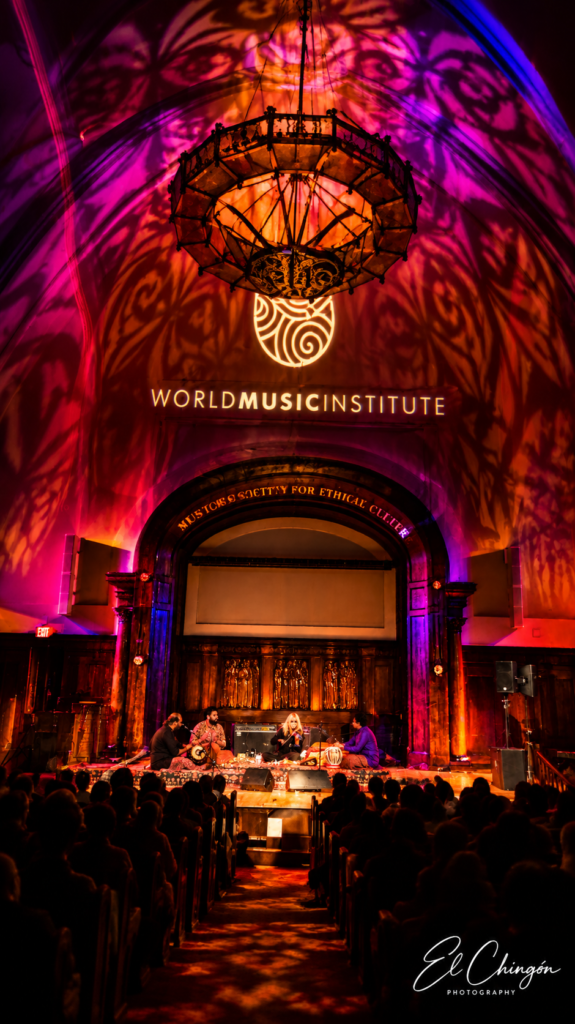
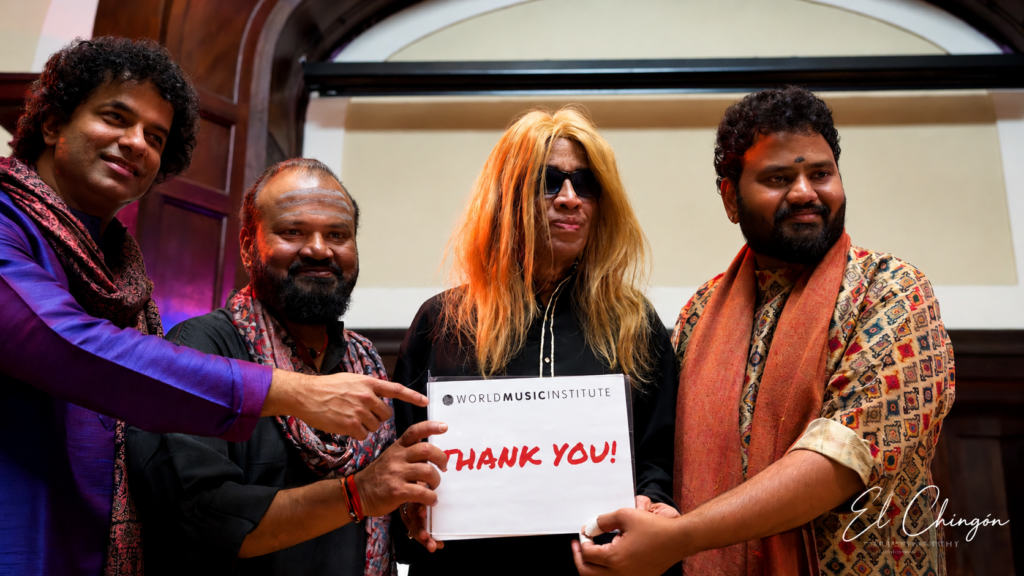
L. Shankar, New York Society for Ethical Culture 9- 18-2026

A Moment Beyond the Noise photos and words by Jonathan Levitt

On September 18, 2026, I felt genuinely blessed to encounter something beautiful in the heart of New York City.

Inside Adler Hall at the New York Society for Ethical Culture, I experienced an evening of music that meant far more to me than simply attending a concert. It was an encounter with extraordinary musicianship, but it was also an opportunity to step outside the relentless noise of everyday life and enter a different kind of space, a space of beauty, contemplation, rhythm, and perhaps something spiritual.

I think we all need those spaces.

We are living through a time when it can feel almost impossible to escape the constant barrage of terrible news, political conflict, economic anxiety, and the seemingly endless stream of things demanding our attention. We wake up and reach for our phones. We read another headline. Another crisis. Another argument. Another piece of bad news.

The noise never seems to stop.

And then, sometimes, something happens that allows us to step outside of it.

For me, that something was music.

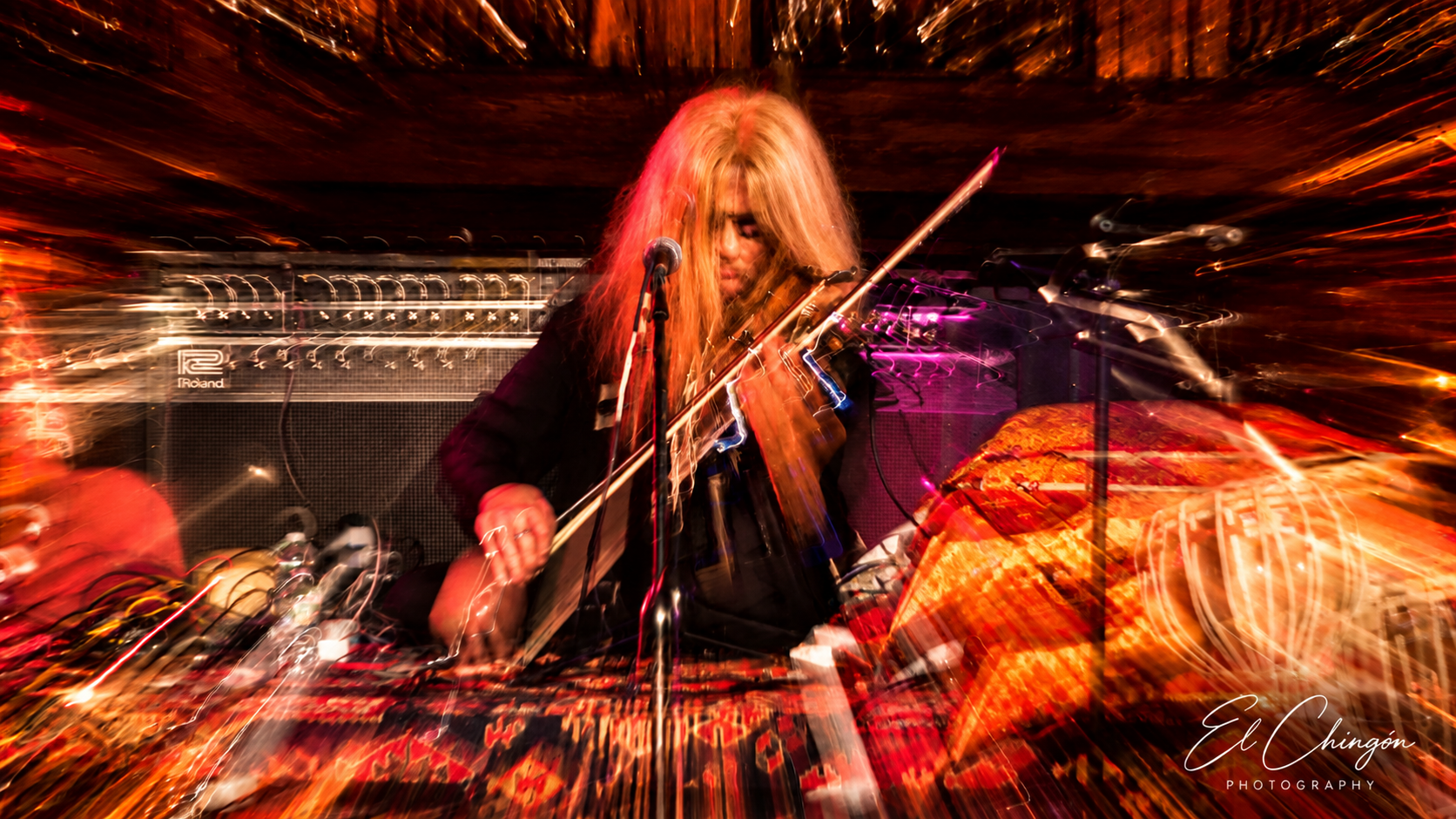
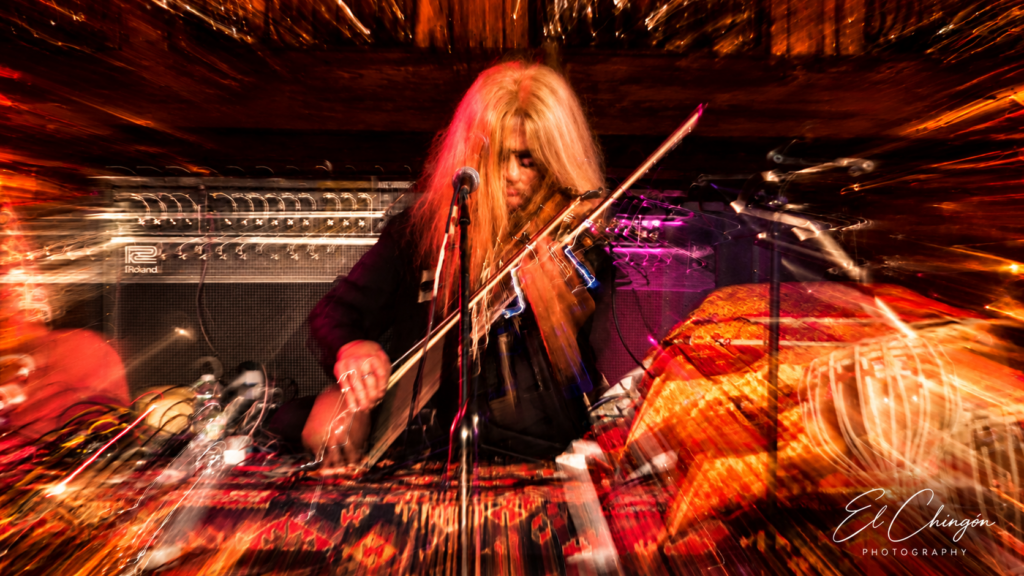
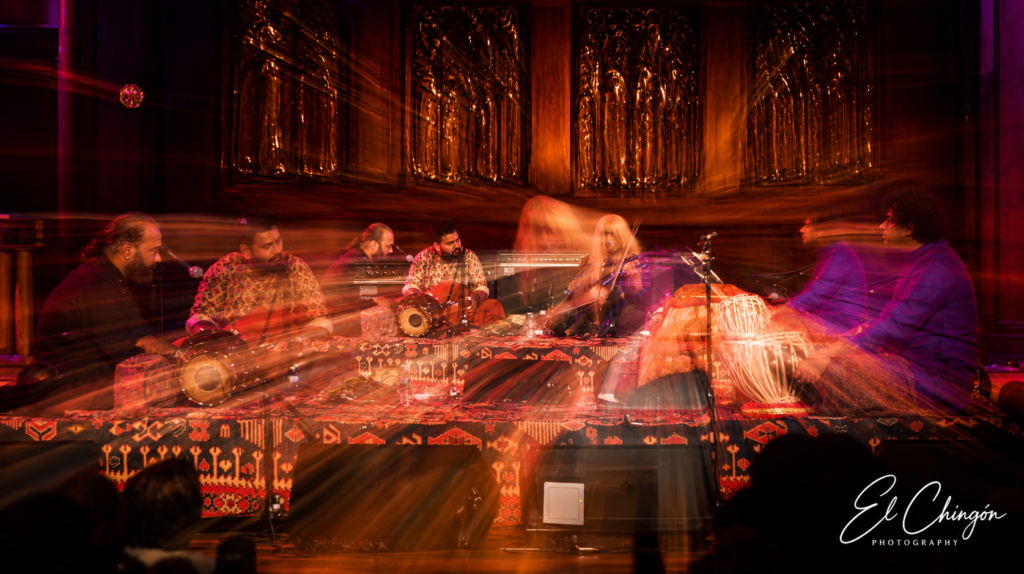
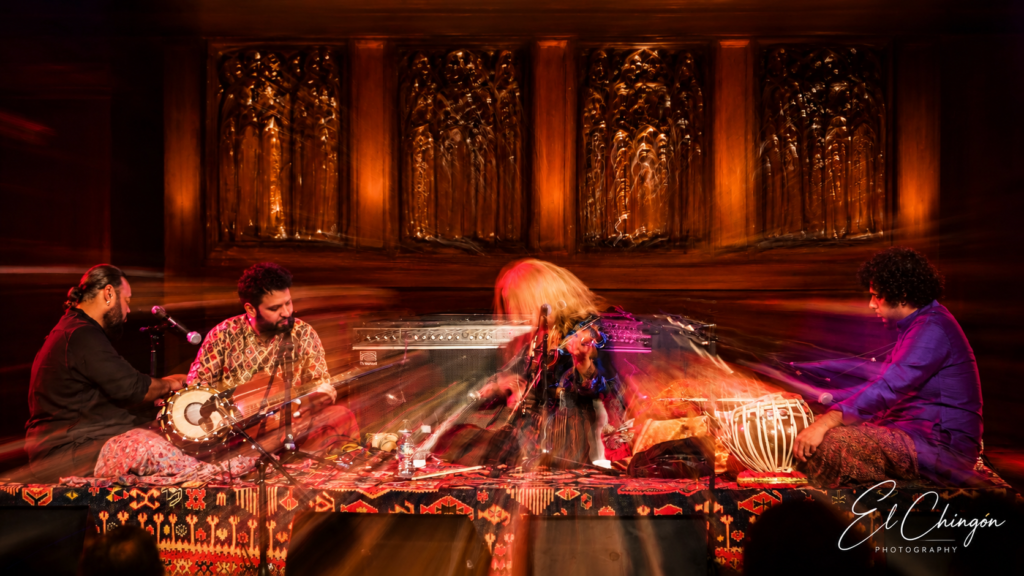
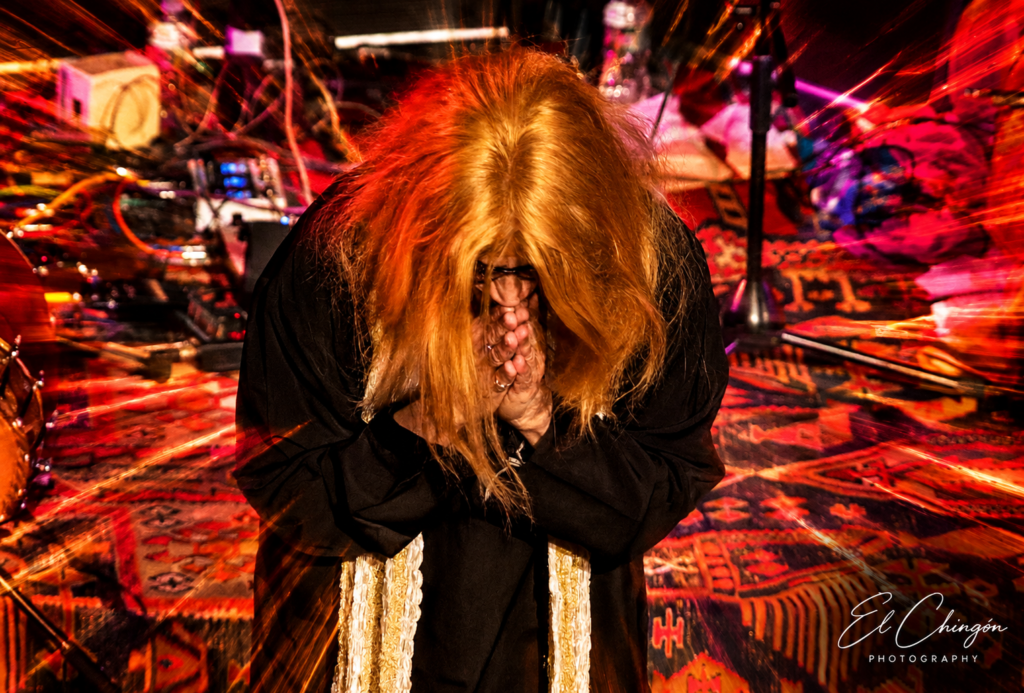
L. Shankar’s performance on his extraordinary double violin was not simply technically impressive. It was transporting. The music seemed to exist in a place removed from the ordinary concerns of the world outside those walls. The extraordinary interplay between Shankar and the percussionists created something that felt alive, immediate, and deeply human.

There was virtuosity, certainly. But virtuosity alone isn’t what moved me.

It was what the musicianship made possible.

The music created room to breathe.

Shankar’s double violin is an extraordinary instrument, but watching him play it, I became less interested in the instrument itself and more interested in what emerged from it. At times the sound seemed almost impossibly expansive, while at other moments it could be delicate and intimate. The music moved through different emotional landscapes without needing words to explain where it was taking us.

And perhaps that is one of the great gifts of music.

It doesn’t always tell us what to think.

It gives us a place to feel.

The rhythmic interplay between the violin and percussion was mesmerizing. The musicians were not merely performing alongside one another. They were communicating. One musical phrase seemed to invite another. A rhythm would emerge, develop, and transform. There was discipline and precision, but also spontaneity and conversation.

It reminded me that great musicianship is not simply about technical mastery. It is about listening.

Really listening.

And in a world in which so many of us are constantly talking, reacting, scrolling, arguing, and consuming information, there was something profoundly beautiful about simply sitting still and listening.

I also found myself thinking about the spiritual dimension of music.

I don’t necessarily mean spirituality in a strictly religious sense. Perhaps it is something deeper than that. Perhaps it is contemplation. Perhaps it is simply the feeling of connecting with something larger than the narrow concerns of our everyday existence.

What that deeper thing is may be different for every person.

For me, I don’t feel the need to define it.

I only know that I felt it.

For a few hours, I was able to step outside the relentless circumstances of the human condition and simply experience beauty. And that relief was meaningful. It was therapeutic.

There is something profoundly restorative about being reminded that the world is not only the headlines we read, the arguments we witness, the economic pressures we experience, or the tragedies that occupy our attention.

There is also beauty.

There is creativity.

There is human connection.

There is music.

And there are people who dedicate their lives to creating it.

That is why I believe live music is so important.

There is something fundamentally different about experiencing extraordinary musicianship in the same physical space as the people creating it. You aren’t listening through headphones or speakers. You are sharing the room with the musicians. You are hearing the vibrations travel through the air. You are witnessing the communication between performers in real time.

You are there.
And that presence matters.

The musicianship that evening made me profoundly grateful, not only for L. Shankar and the extraordinary artists who shared the stage with him, but also for the people who made the evening possible.

I felt particularly grateful to the wonderful team at the New York Society for Ethical Culture for helping create a place where an experience like this can happen.

In the middle of New York City, one of the loudest and most relentlessly energetic cities in the world, they created a space where people could stop.

Listen.

Think.

Feel.

And experience something beautiful.

That is something worth supporting.

Arts organizations, musicians, concert presenters, and cultural institutions do something that can be easy to underestimate. They create opportunities for human beings to experience something beyond the immediate demands of survival and daily life.

They remind us that life is not only about getting through the day.

It is also about experiencing the day.

About being moved.

About being surprised.

About encountering something beautiful enough to make us forget, even temporarily, everything that weighs on us.

That evening, L. Shankar’s music gave me that gift.

I left Adler Hall carrying more than a memory of an extraordinary concert. I left with a renewed appreciation for the importance of beauty itself.

Maybe that sounds overly sentimental.

But I don’t think it is.

I think beauty is necessary.

I think contemplation is necessary.

I think we need moments when the noise stops.

And I think music, particularly live music performed at this caliber, can provide exactly that.

It doesn’t solve the world’s problems. It doesn’t make the terrible news disappear. It doesn’t change the political arguments or repair the economy. It cannot eliminate the difficulties that are part of being human.

But for a little while, it can give us somewhere else to be.

And sometimes that is incredibly powerful.

Sometimes relief is not insignificant.

Sometimes beauty is not frivolous.

Sometimes a few hours spent listening to extraordinary musicians can remind us that there is still something deeply beautiful about being alive.

That is what this evening meant to me.

I feel grateful that I was there.
Grateful to L. Shankar and the musicians who shared their extraordinary gifts.

Grateful to the people at the Society for Ethical Culture who helped bring that music into the heart of New York City.

And grateful simply to have been given the opportunity to sit quietly, listen, and be transported somewhere beyond the noise.

I don’t know exactly what that place was.
Maybe it was spiritual.

Maybe it was contemplative.

Maybe it was simply a moment of profound human connection.

Perhaps each of us gets to decide.

For me, it was a reminder that despite everything happening in the world, there are still moments of extraordinary beauty available to us.

And when we encounter them, we should cherish them.

We should support them.

We should make room for them.

Because sometimes music doesn’t merely entertain us.

Sometimes it gives us back a little piece of ourselves.

And on that September evening in New York City, that is exactly what I felt I received.

Chinese American Bear Brings Joy, Identity, and Dream-Pop Magic to Bowery Ballroom

Words and Photos by Jonathan Levitt

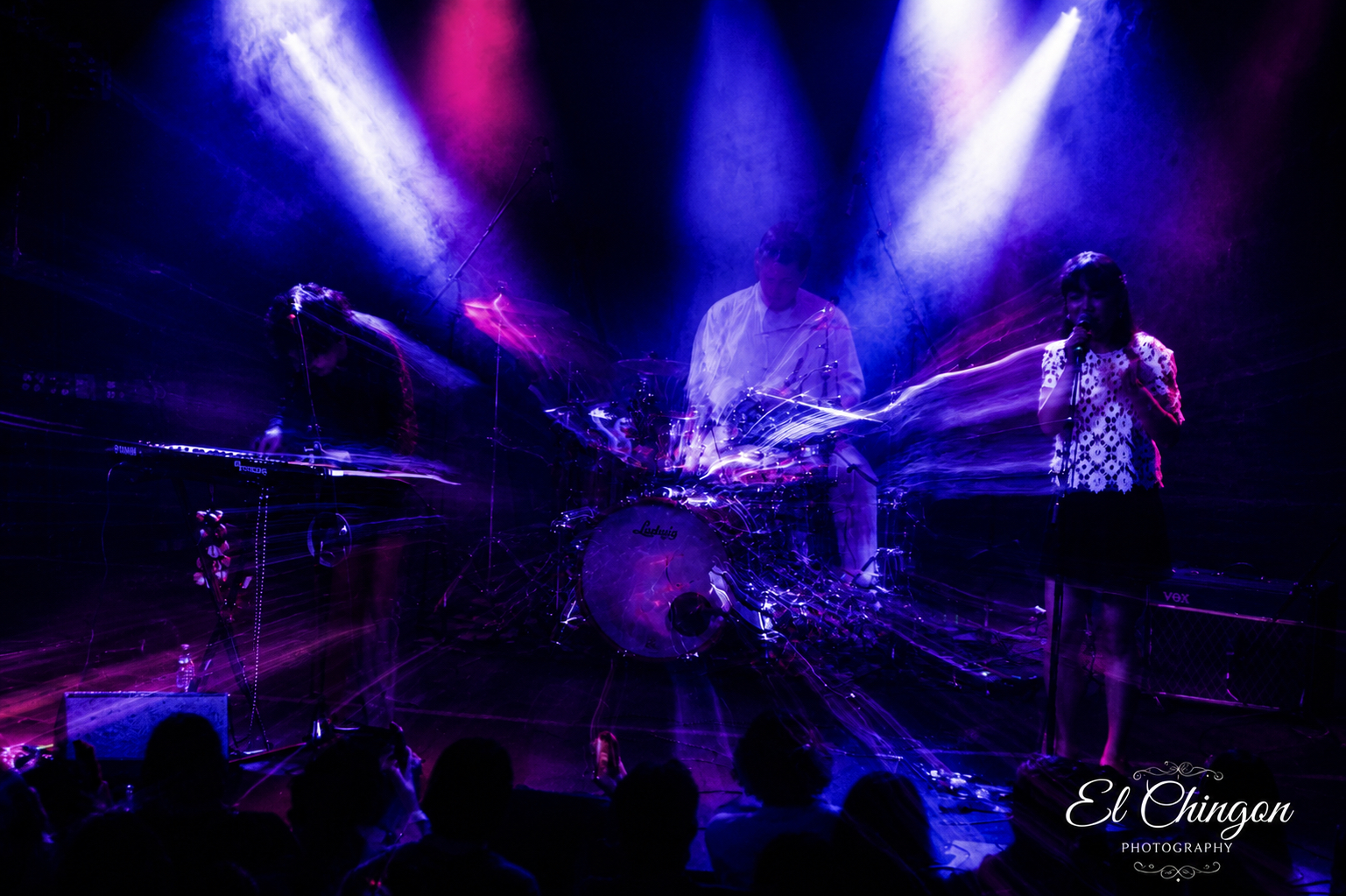
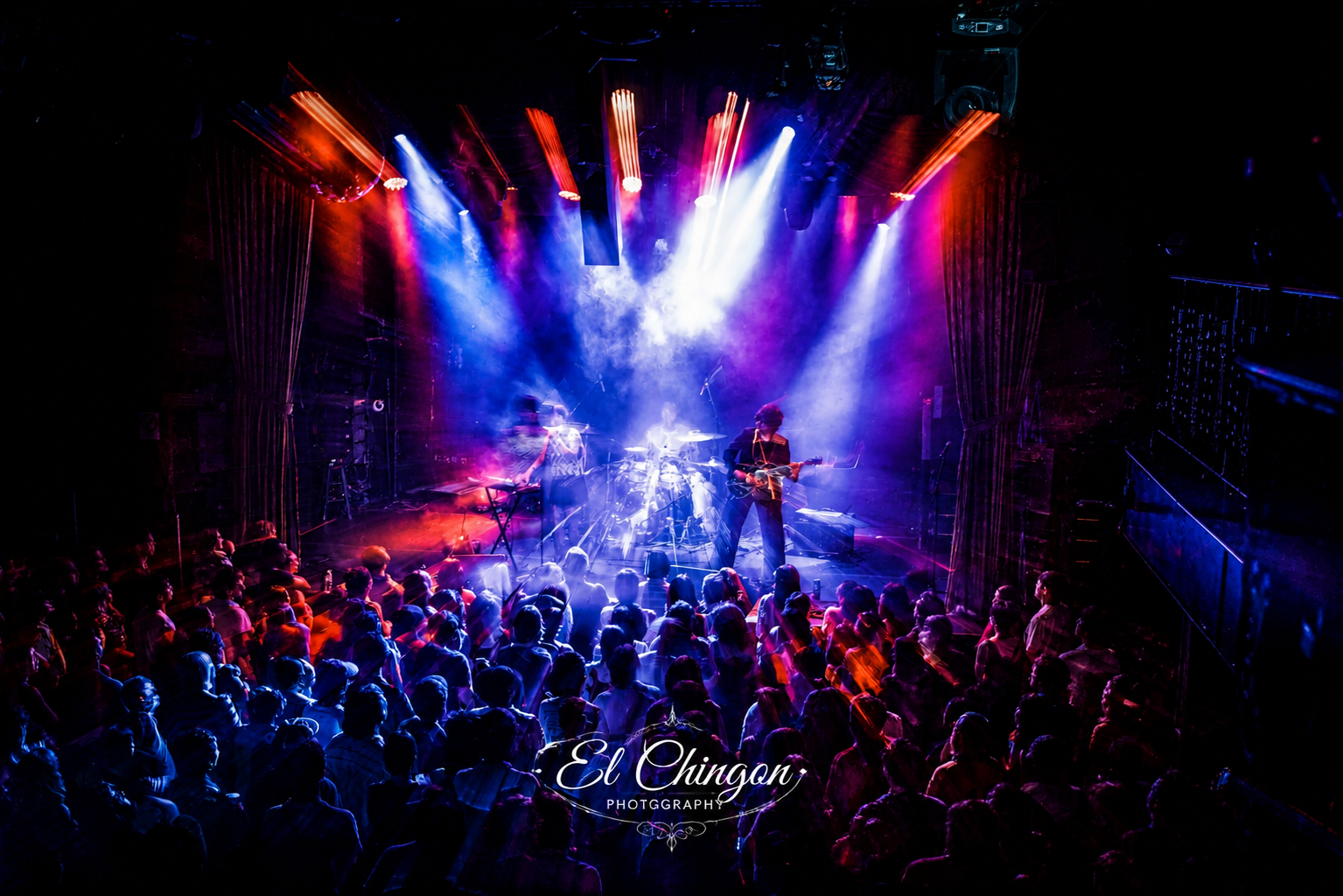
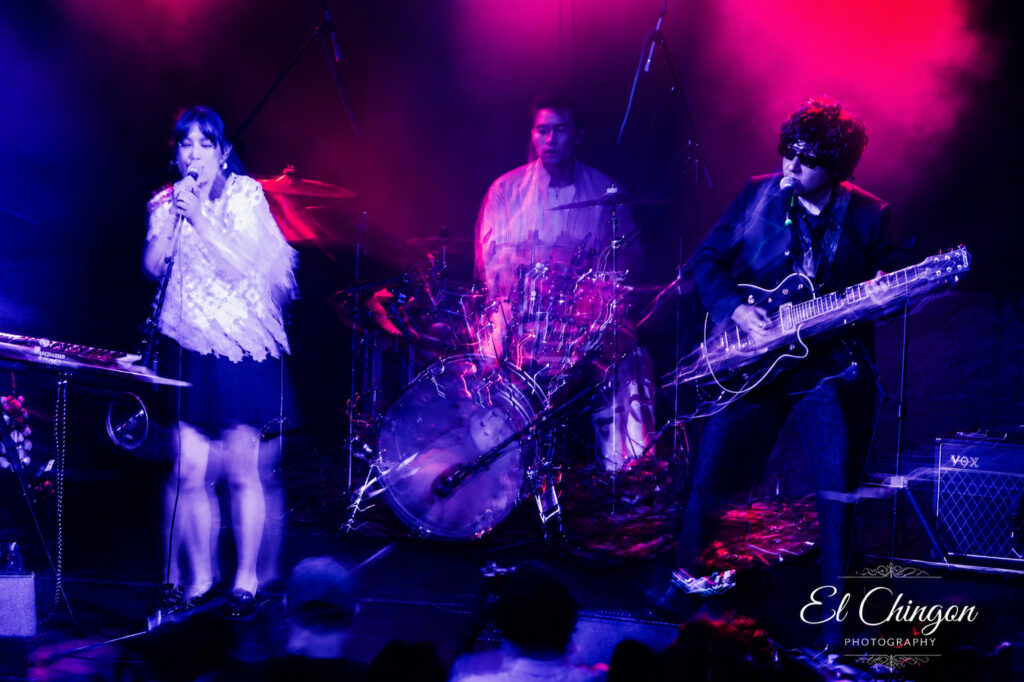
I walked into Chinese American Bear’s June 21, 2026 show at the Bowery Ballroom knowing almost nothing about the band. Sometimes those are the best concerts, and this proved to be one of them.

I brought along an American-born Chinese friend, and by the end of the evening we were both completely won over. What unfolded was far more than a concert. It was a celebration of culture, identity, language, humor, and exceptional musicianship wrapped inside an irresistibly joyful performance.

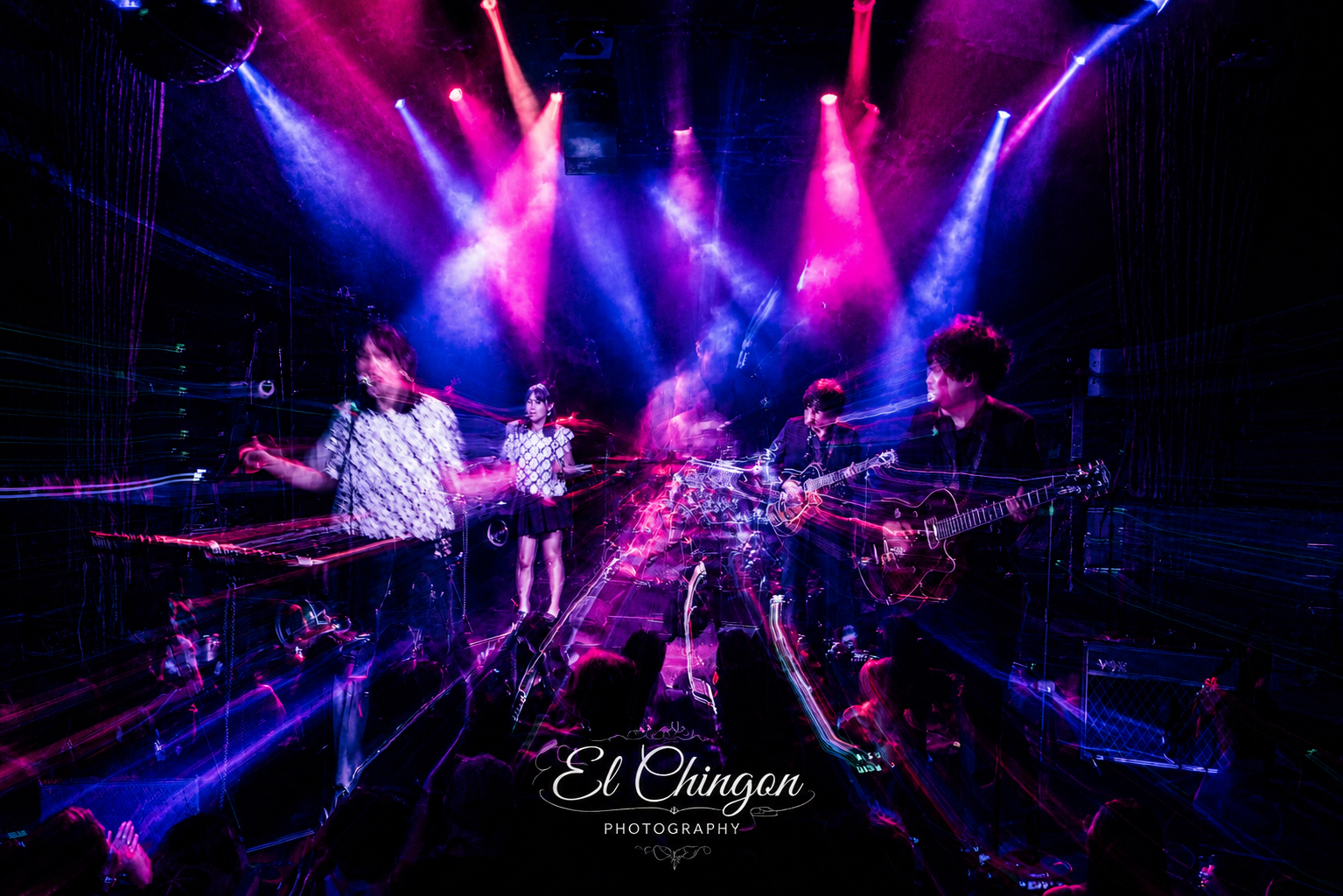
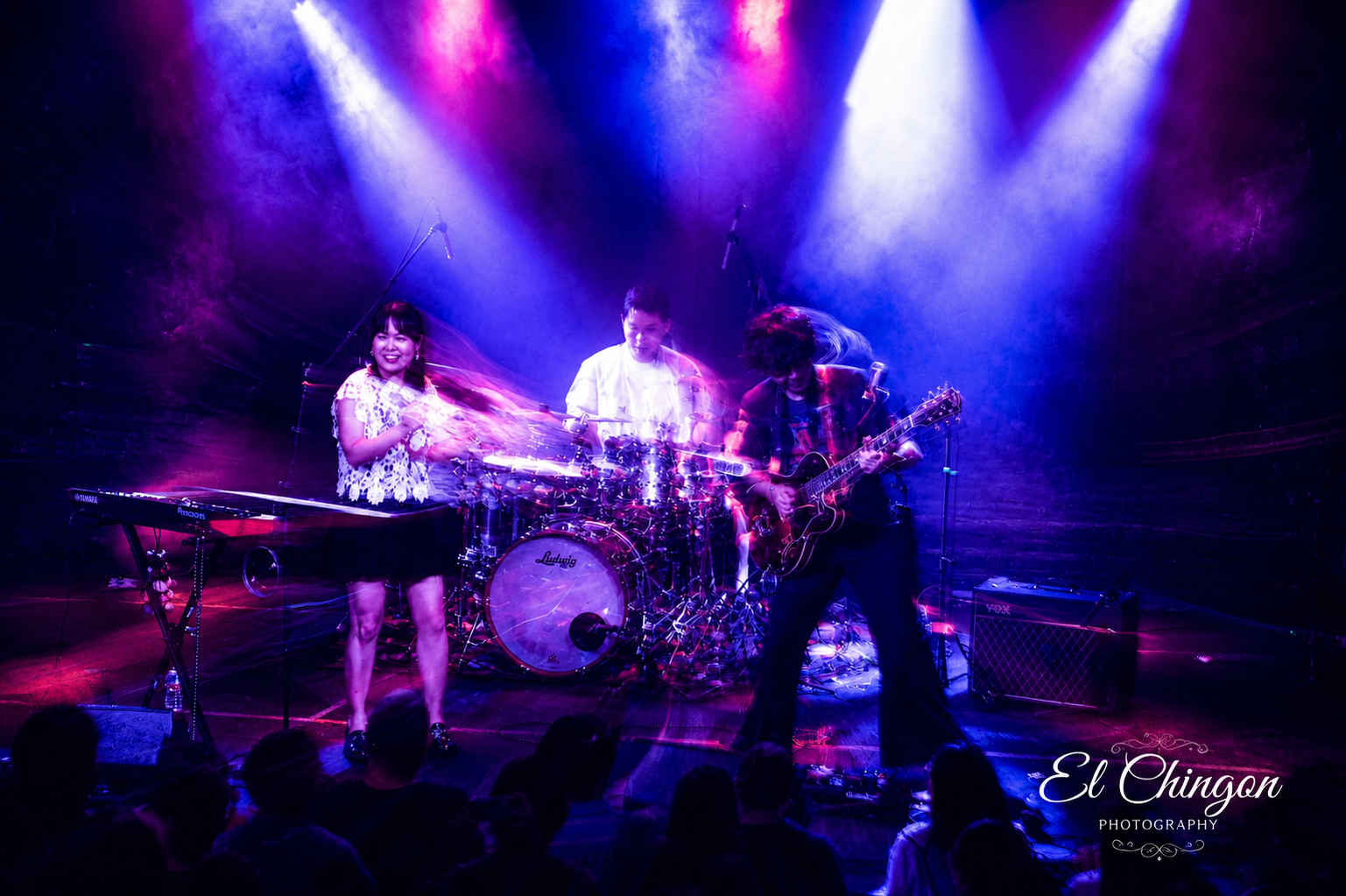
The evening opened with a Buddhist prayer that immediately established a thoughtful, almost meditative atmosphere. From there, Chinese American Bear launched into a set that effortlessly blended dream pop, psychedelia, funk, and disco. The band was remarkably tight throughout the night, creating lush soundscapes that felt both nostalgic and refreshingly original.
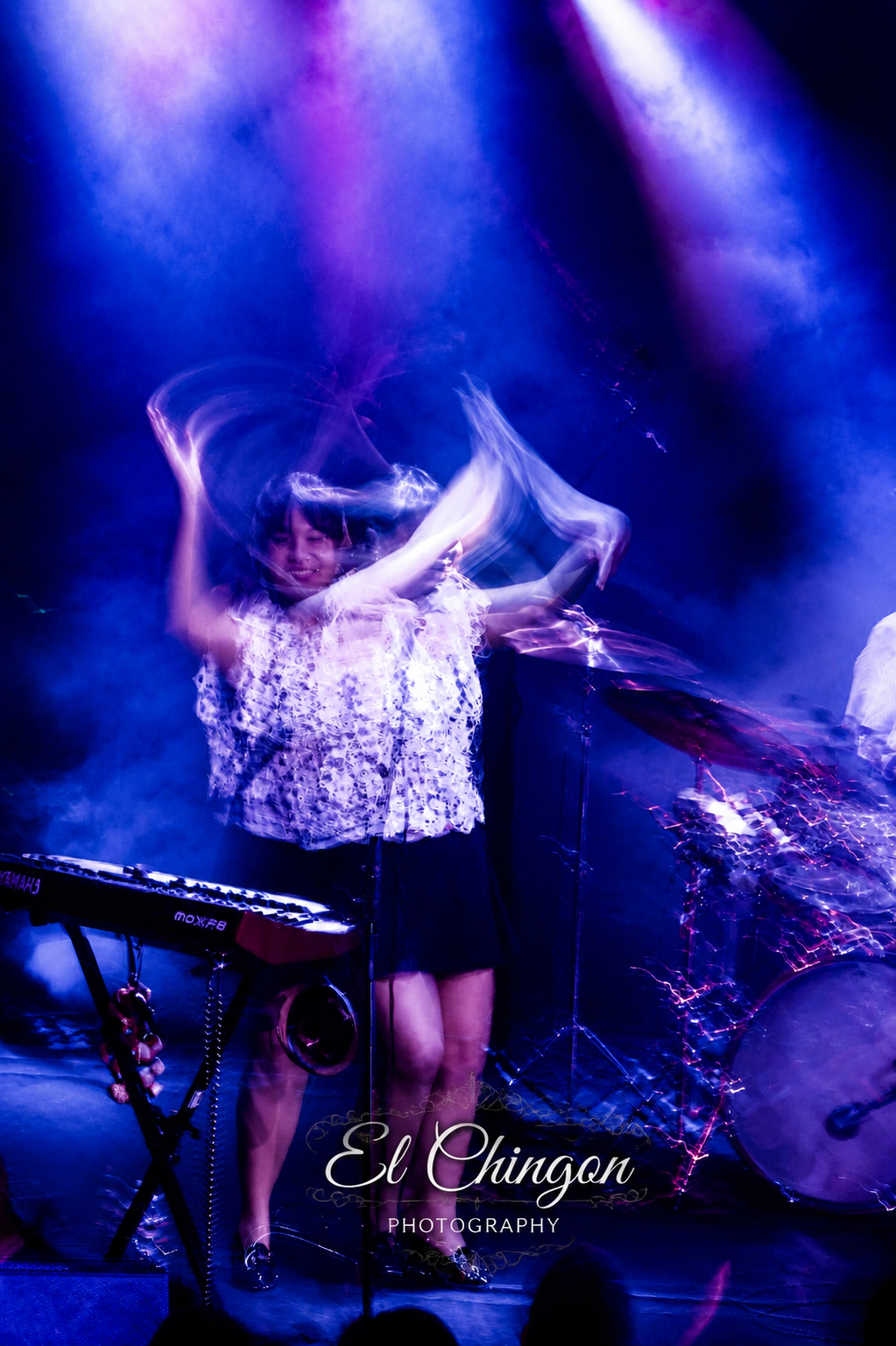
Frontwoman Anne Tong proved to be an utterly captivating presence. Between songs, she shared stories and observations about growing up Chinese in America, offering cultural insights that were both funny and deeply relatable. Discussions of language, family dynamics, and Chinese cultural traditions were seamlessly woven into the performance, adding layers of meaning beyond the music itself.

Having lived in China for twenty years, studied there, and been married to a Chinese woman, many of the references immediately resonated with me. Yet what made the show special was that you didn’t need that background to appreciate it. The audience enthusiastically embraced every moment, laughing along, dancing, and connecting with the stories being told.

There was an unmistakable sense of communal joy in the room. It felt as though someone had sprinkled fairy dust throughout the Bowery Ballroom, bringing together a diverse crowd through shared curiosity, humor, and music.

When the set ended, the audience erupted into thunderous applause, stomping feet and demanding an encore. Eventually the band returned, closing the night with “再见-Goodbye” a beautiful, magical finale to an unforgettable evening.
Chinese American Bear’s newly released album, Dim Sum and Then Some on Moshi Moshi Records, is now firmly on my listening list. If this performance is any indication, this is a band with a bright future and a unique artistic voice worth celebrating.

Cutworms w/Tchotchke Live @ Warsaw May 16, 2026

On Saturday, May 16th, 2026, Tchotchke and Cut Worms brought very different but complementary energies to Warsaw, turning the Brooklyn venue into a showcase for two bands operating from distinct corners of the American songwriting tradition.

When Tchotchke took the stage, the room had not yet fully filled in, which felt like a genuine loss for anyone lingering at the bar or arriving late. The all-female trio delivered a set that revealed not only obvious talent, but the very real possibility of becoming something exceptional. Lead singer and drummer Anastasia Sanchez possesses a strikingly beautiful voice, airy yet controlled, and her ability to anchor the band rhythmically while carrying the melodies gave the performance its center of gravity. Guitarist Emily Tooraen and bassist Eva Chambers proved equally capable, locking into grooves that frequently channeled the spirit of vintage girl groups filtered through a garage-rock sensibility.
What worked most was that none of it felt overly curated or retro for retro’s sake. The aesthetic references came naturally, surfacing through melody and tone rather than costume or gimmick. At moments, the band hinted at echoes of 1960s sunshine pop colliding with downtown indie rock, and those flashes were genuinely exciting. Still, despite the undeniable charm and musicianship, the set occasionally lacked urgency. The songs drifted pleasantly rather than demanding attention, and while the textures were appealing, there wasn’t quite enough tension, danger, or sonic unpredictability to fully challenge the audience.

The potential, however, is unmistakable. Tchotchke feels like a band standing right at the edge of a breakthrough, needing only a producer or collaborator capable of sharpening the contours and introducing a little more bite into the arrangements. What’s missing is that lingering feeling — the kind of performance that follows you out of the venue and sends you immediately back to the records. The foundation is absolutely there; now the band needs to push further into its own identity and discover the edge that will make the music truly haunt people.

By the time Cut Worms took the stage, the crowd had settled in fully, and the atmosphere shifted into something warmer and more communal. It became immediately obvious why the band has cultivated such a devoted following among listeners who gravitate toward the earthy sincerity of Wilco, The Jayhawks, and Golden Smog. Their music is deeply heartfelt, rooted in a timeless Americana tradition that avoids both irony and performative authenticity. There is no false patina to what they do.

Frontman Max Clarke continues to establish himself as one of the more compelling contemporary songwriters working in this lane, carrying traces of Townes Van Zandt, Gram Parsons, and Chris Bell without feeling derivative. His songs arrived with emotional clarity and melodic warmth, offering, for a couple of hours at least, relief from the exhaustion and anxiety of contemporary American life. The entire band played with restraint and sensitivity, never overpowering the material but steadily coaxing each song forward with confidence and care.

What lingered after the set was not spectacle but emotional honesty. Cut Worms understand the enduring power of classic songwriting and know how to deliver it without nostalgia becoming the main attraction. By the end of the night, they had firmly earned a place on my radar, and I left Warsaw genuinely eager to hear what the new album will bring.

— Review and all photos by Jonathan Levitt, May 22, 2026

Instagram @elchingonphotography @chinamusicpolice

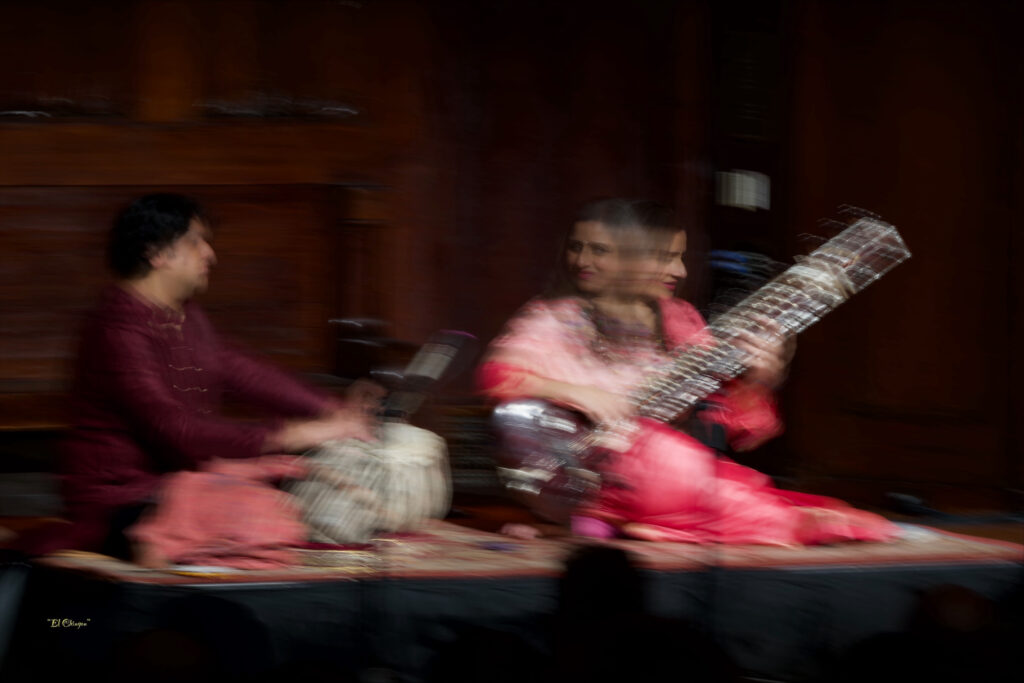
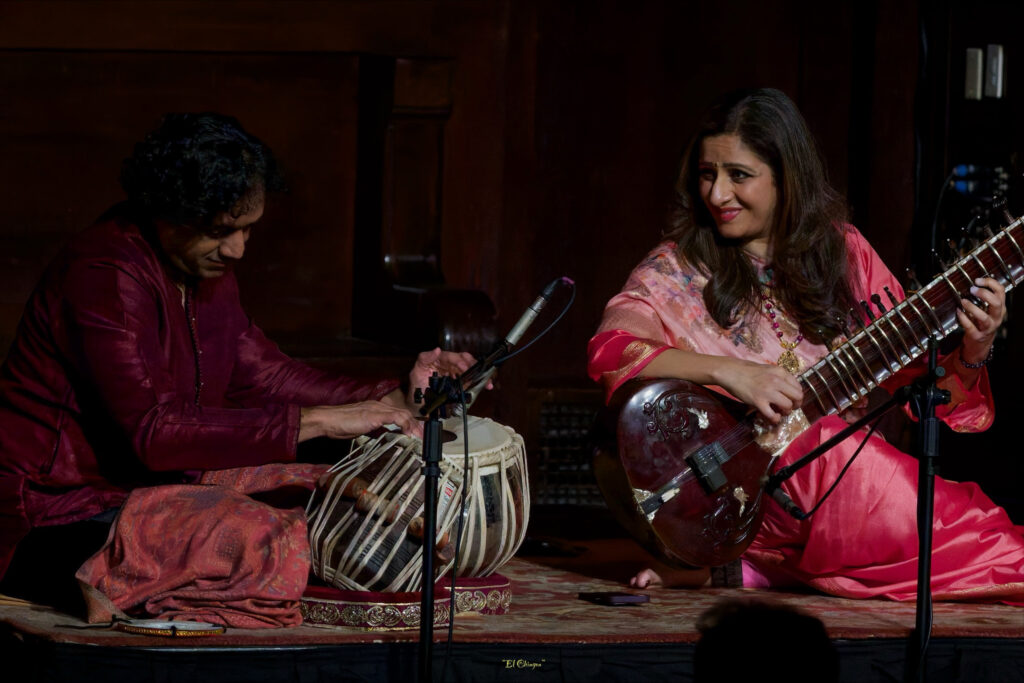
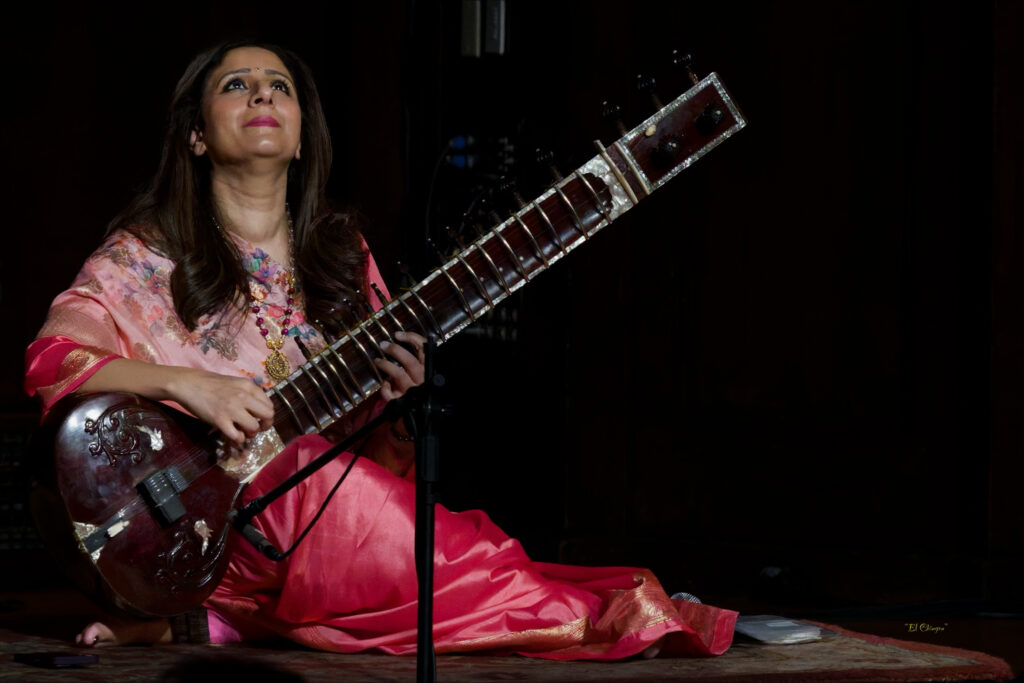
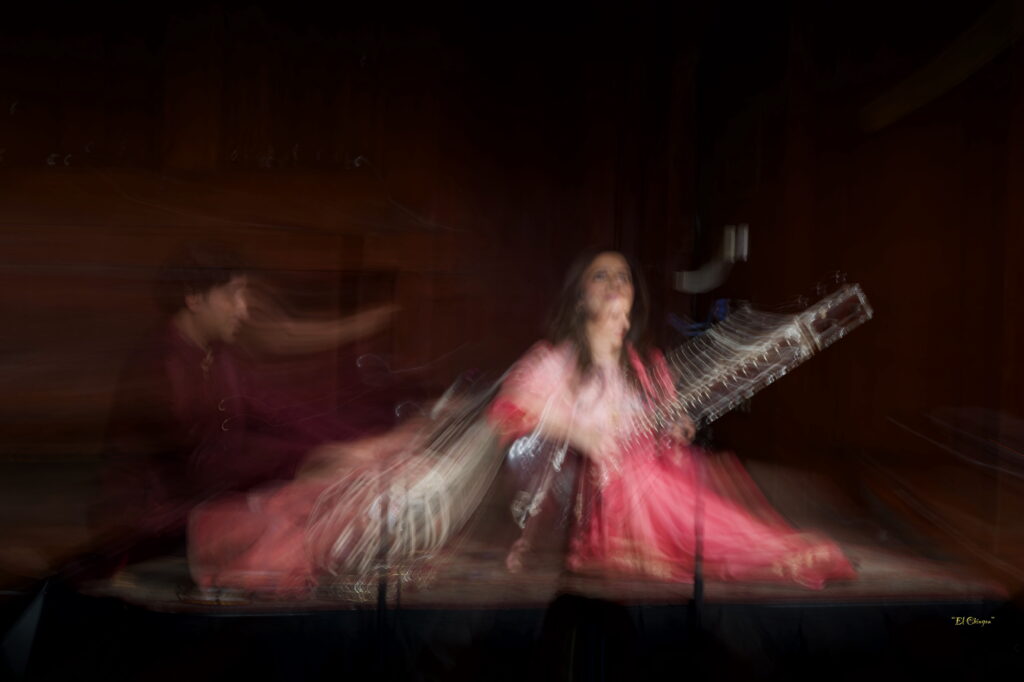
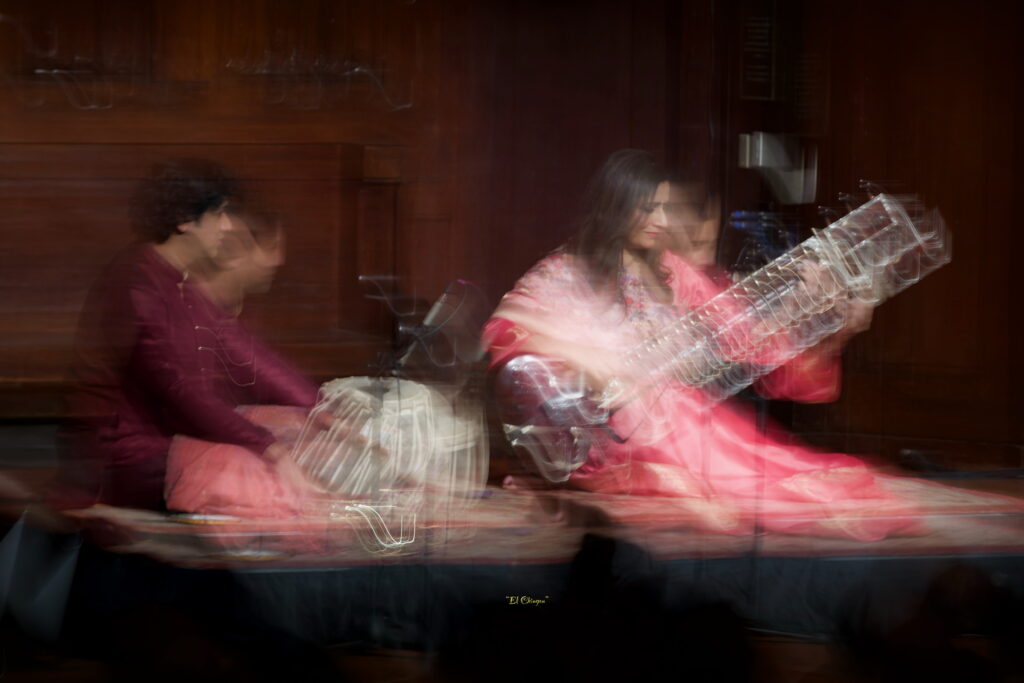
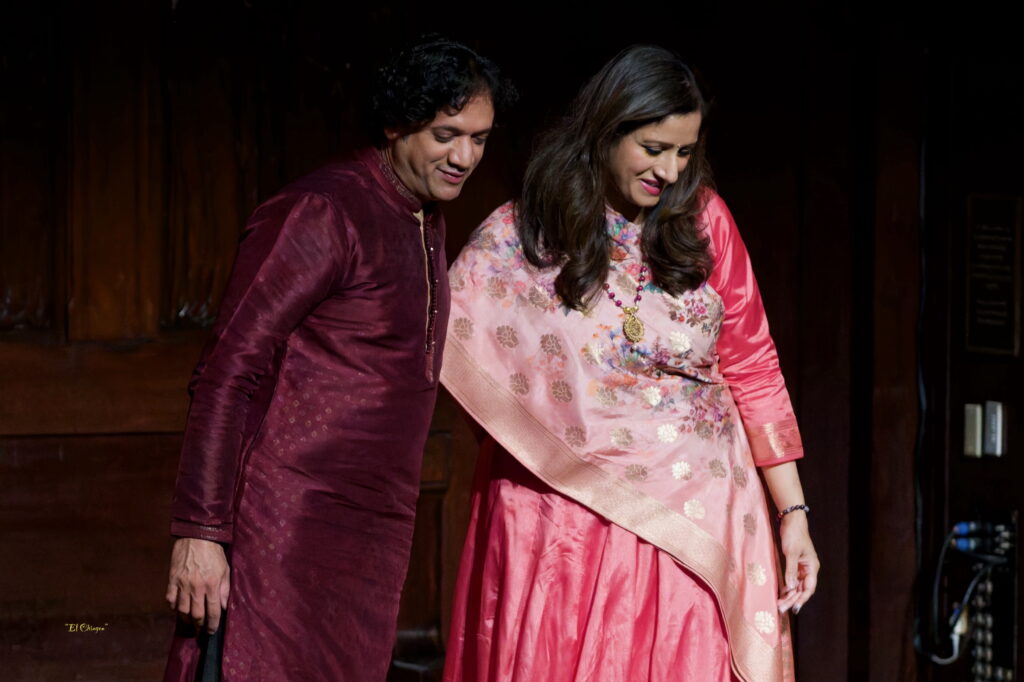
Roopa Panesar live at Adler Hall, The New York Society for Ethical Culture 1/10/2026

Roopa Panesar’s concert at the Society for Ethical Culture in New York City was an immersive, deeply moving experience that reaffirmed the irreplaceable power of live music. Presented in two distinct halves, the evening unfolded less like a conventional concert and more like a guided journey—one that carried the audience inward, toward contemplation, and outward again, toward ecstatic release and communal unity.

From the opening moments of the first half, it was clear that this was music designed to breathe, to evolve patiently over time. Each piece revealed itself gradually, beginning in quiet, meditative passages that invited stillness and attentive listening. Panesar’s sitar playing was subtle and teasing at first, the phrases unfolding with restraint and poise, allowing space for reflection. These contemplative moments were not static; they felt alive, gently shifting, like light moving across water. As themes developed, there was a palpable sense of anticipation, a slow tightening of focus that drew the listener further into the music’s inner logic.

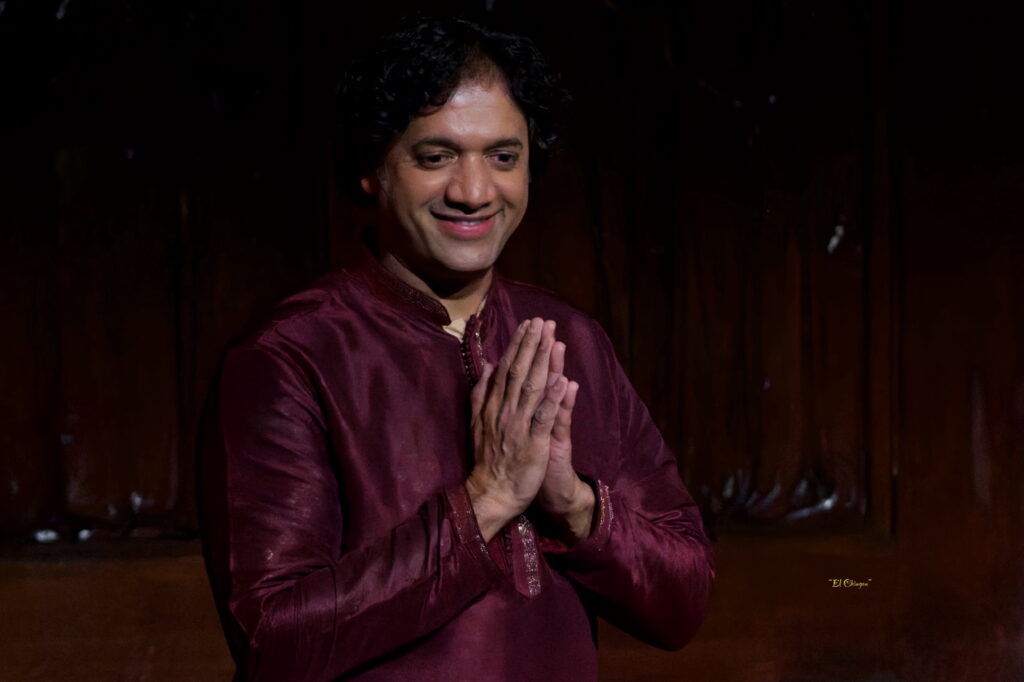
Central to this experience was the masterful interplay between Panesar and tabla player Nitin Mitta. Seated next to one another, the two performers shared an intimacy that went beyond technical precision. There was a visible and audible shorthand at work—a glance, a slight change in phrasing, a rhythmic cue—that allowed them to follow, lift, and evolve with each other through every piece. Mitta was far more than a rhythmic anchor. His playing possessed a fluidity and depth that added emotional gravity, particularly in the resonant, liquid bass tones that emerged at key moments. These sounds seemed to ground the music, anchoring the listener even as Panesar’s sitar lines soared and spiraled.

As each composition progressed, the music built toward crescendos that felt both inevitable and thrilling. The rush of excitement as tempos quickened and patterns became more intricate was undeniable. Yet even at the ecstatic highs, there was never excess. Mitta’s tabla never overpowered Panesar’s sitar; instead, it framed and amplified it, creating a dynamic balance that allowed the music to crest without losing its clarity or grace. At moments of particular intensity, the audience erupted in spontaneous applause—an instinctive response to the shared recognition that something extraordinary was unfolding in real time.

The second half of the concert felt like a natural continuation and deepening of the first. If the opening set invited introspection, the latter half expanded outward, embracing a sense of ecstasy and connection that felt almost elemental. There were passages that evoked the sensation of being surrounded by nature—wind, water, and earth rendered in sound—producing a feeling of unity between the internal and the external, the personal and the collective. Time seemed to compress; despite the length and complexity of each piece, the concert passed with astonishing speed, a testament to how completely the audience was carried along.

Panesar herself was a compelling presence throughout the evening. The beauty of her playing felt inseparable from the beauty of her spirit. Humble and understated in demeanor, she nevertheless commanded the room with quiet authority. Like her flowing gown, her music seemed to bridge the gap between the physical and the spiritual, seamlessly connecting reality with something more transcendent. This is music that requires more than technical mastery; it demands openness, sincerity, and a willingness to act as a conduit for something larger. Panesar embodied that role fully.

Mitta, too, proved himself a force to be reckoned with. His sensitivity as an accompanist, combined with his expressive range, enriched every moment of the performance. Together, the two musicians demonstrated that the transcendent nature of this music depends on mutual trust and shared intention. When both players are able to channel the spiritual, the result is not merely sound but experience—one that resonates long after the final note fades.

In a digital world where music can be summoned instantly and consumed in isolation, last night’s concert was a powerful reminder that the live experience can never be replaced. The collective act of listening, of being fully present with others in a shared space, rang loud and clear. At a time in America marked by division, the unity felt in the hall was palpable and meaningful. It was a rare and profound gift for the New York audience, and one that will not soon be forgotten. No amount of superlatives can fully capture what a treat this concert was—but its impact will linger, quietly changing hearts for the better.

Words and Photos by Jonathan Levitt aka El Chingon Photography (Instagram)

Protomartyr live Warsaw Brooklyn NY 12/19/2025

Protomartyr at Warsaw, Brooklyn, was not so much a concert as a sustained confrontation. Taking the stage to perform their 2015 album The Agent Intellect in its entirety, the Detroit band delivered a set that felt like a series of body blows administered with precision and intent. The record’s brutal honesty—lyrically unfiltered, psychologically raw—translated into a live experience that was relentless, claustrophobic, and exhilarating in equal measure. There was little room to breathe as the sonic assault rolled forward, each thunderous drum hit and stabbing guitar line met by an audience that pulsed in lockstep with the band’s intensity.

At the center of it all stood Joe Casey, looking less like a conventional punk frontman than a Wall Street trader who had taken a hard left turn into existential fury. Blazer on, beer in hand, Casey held court at Warsaw with a deadpan authority, punctuated by an entirely on-brand mid-set piss break. His vocals—acerbic, vinegary, and razor-sharp—cut through the mix, embodying the scorched-earth worldview that defines The Agent Intellect. It is an album that demands attention and repeated listening, and hearing it live underscored just how uncompromising it remains.

For myself, The Agent Intellect has always been a record that required effort to unlock. My own entry point into Protomartyr came later, with 2020’s Ultimate Success Today, an album that offered a more immediate sonic payoff and, to my ears, a more nuanced and psychologically provocative evolution of the band’s sound. That does not diminish The Agent Intellect—it is not a lesser record—but it is one that asks more of the listener, both emotionally and intellectually.

The payoff came near the end of the night, when the band dipped into Ultimate Success Today with “Processed by the Boys,” one of the evening’s clear highlights. Its muscular drumming, jagged guitars, and corrosive vocal delivery felt like a bridge between eras, a reminder of where Protomartyr has gone since 2015 and how formidable they have become. The room responded instantly, the energy shifting from endurance to release.

There is something admirable about a band choosing to play a record straight through, especially for fans who may never have had the chance to hear those songs performed together, or for the purpose of commemorating a pivotal moment in their catalog. Protomartyr honored that impulse fully at Warsaw, delivering The Agent Intellect with total commitment and zero compromise. And while I genuinely enjoyed the show, it also reinforced a personal conviction: the band’s later work represents a more compelling destination—sonically richer, more psychologically unsettling, and ultimately more rewarding. Still, as a document of Protomartyr’s ferocity and refusal to soften their vision, this was a powerful and punishing night.

Review and Photos by Jonathan Levitt

Please follow our instagram at “China Music Police” and “El Chingon Photography”

The Dream Syndicate Le Poisson Rouge, New York City

December 11, 2025

Some musical influences linger quietly in your life until, suddenly, they reassert themselves with force. In my case, that influence once again came courtesy of my esteemed former editor, Fred Mills, whose taste and guidance have shaped my listening more than he probably realizes. This time, it led me—finally—to The Dream Syndicate, live at Le Poisson Rouge.

Amazingly, this was my first time seeing the band. Hopefully, it will not be my last.

The Dream Syndicate walked onstage to rapturous applause, the kind that immediately signals you are in a room full of believers. Fans from every era of the band’s long and winding history were present, and Steve Wynn made a point of acknowledging that lineage, reminiscing about performances at the Beacon Theatre many moons ago, as well as early shows in the Village. When he asked who had been there for those early gigs, hands shot up across the room—living proof of a band whose music has endured rather than merely survived.

I’ll admit it: I am a relative newcomer to The Dream Syndicate. But if there were ever a textbook case for how a live performance can serve as the perfect initiation, this was it. The show felt like an open invitation into the band’s world—welcoming, expansive, and utterly convincing.

Wynn is a compelling frontman and a formidable guitarist, steering the band through songs steeped in psychedelic hues, muscular improvisation, and raw melodic drive. The music breathes; it stretches and contracts organically, propelled by deep internal chemistry rather than any sense of nostalgia or artifice. Simply put, the band completely fucking rocks. Just as striking is how genuinely decent they come across—serious musicians with serious chops, but without a trace of pretense.

A substantial portion of the set drew from Medicine Show, which is currently enjoying a well-deserved 40th anniversary expanded reissue on Fire Records in the UK. Those songs sounded anything but archival—urgent, alive, and fully integrated into the band’s present-day identity.

The performance was split into two sets, with a welcome intermission. At one point, Wynn joked that The Dream Syndicate had the unenviable task of “opening for The Dream Syndicate,” drawing knowing laughter from the crowd. The absence of an opening band turned out to be a gift. It allowed both longtime fans and newcomers to fully absorb the breadth of the catalog and to appreciate just how vital this music remains.

What struck me most was the purity of the experience. This was a band operating on trust, interplay, and instinct—the straight dope. Not a single person left that room without a smile on their face.

And then, as if the night had not already given enough, the band stationed themselves at the merchandise table afterward, generously signing autographs, posing for photos, and actually talking with fans. That simple act created a warmth I rarely feel at concerts anymore, a reminder of music’s power to unite people across generations.

As I stepped back out onto the snowy streets of New York City, I felt something quietly profound: after all these years, I had finally been granted access to a band that has always deserved a wider audience. The Dream Syndicate did not just put on a great show—they opened a door, and I am grateful I finally walked through it.

Photos and words by Jonathan Levitt (follow me @elchingonphotography on Instagram)

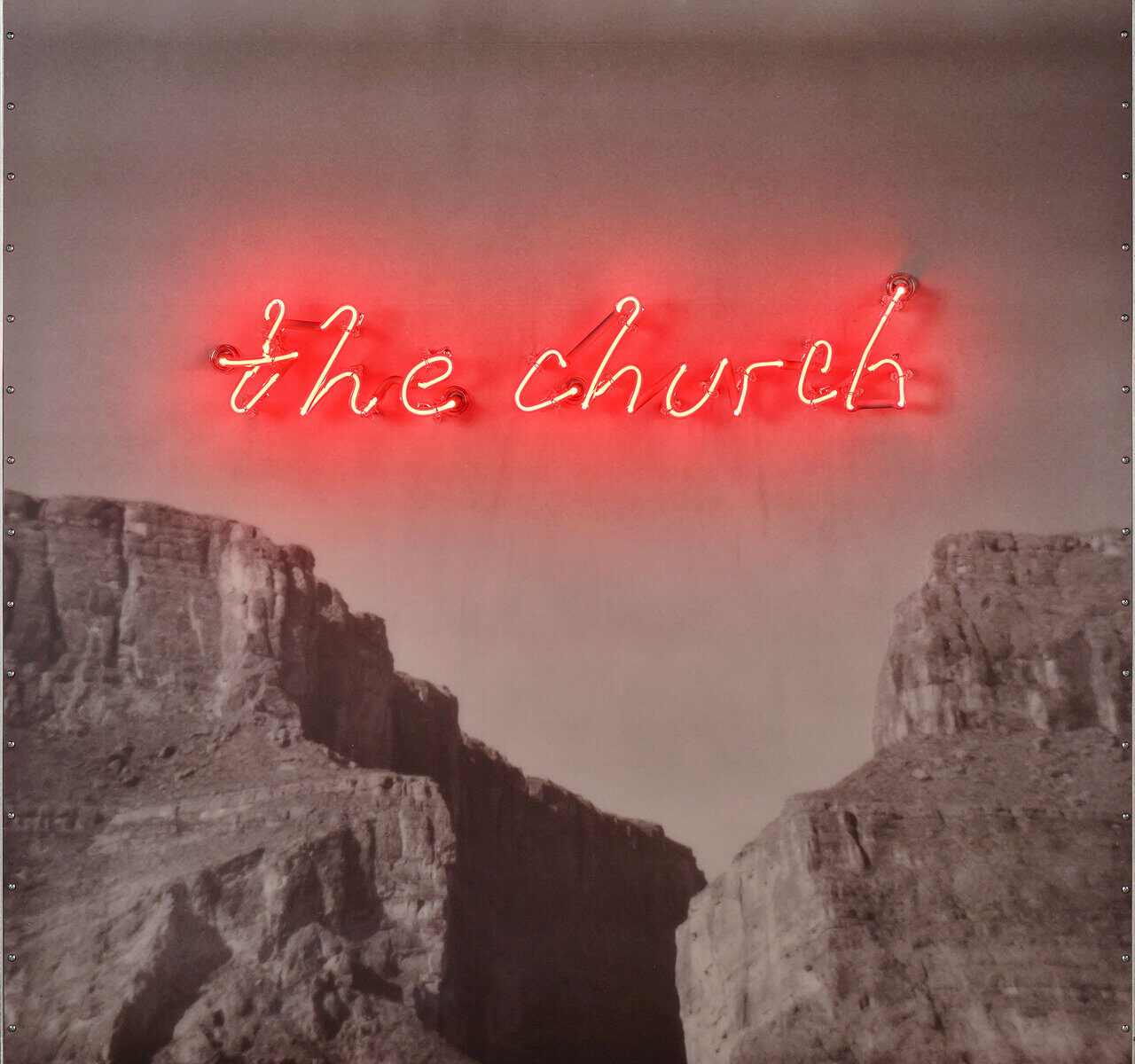
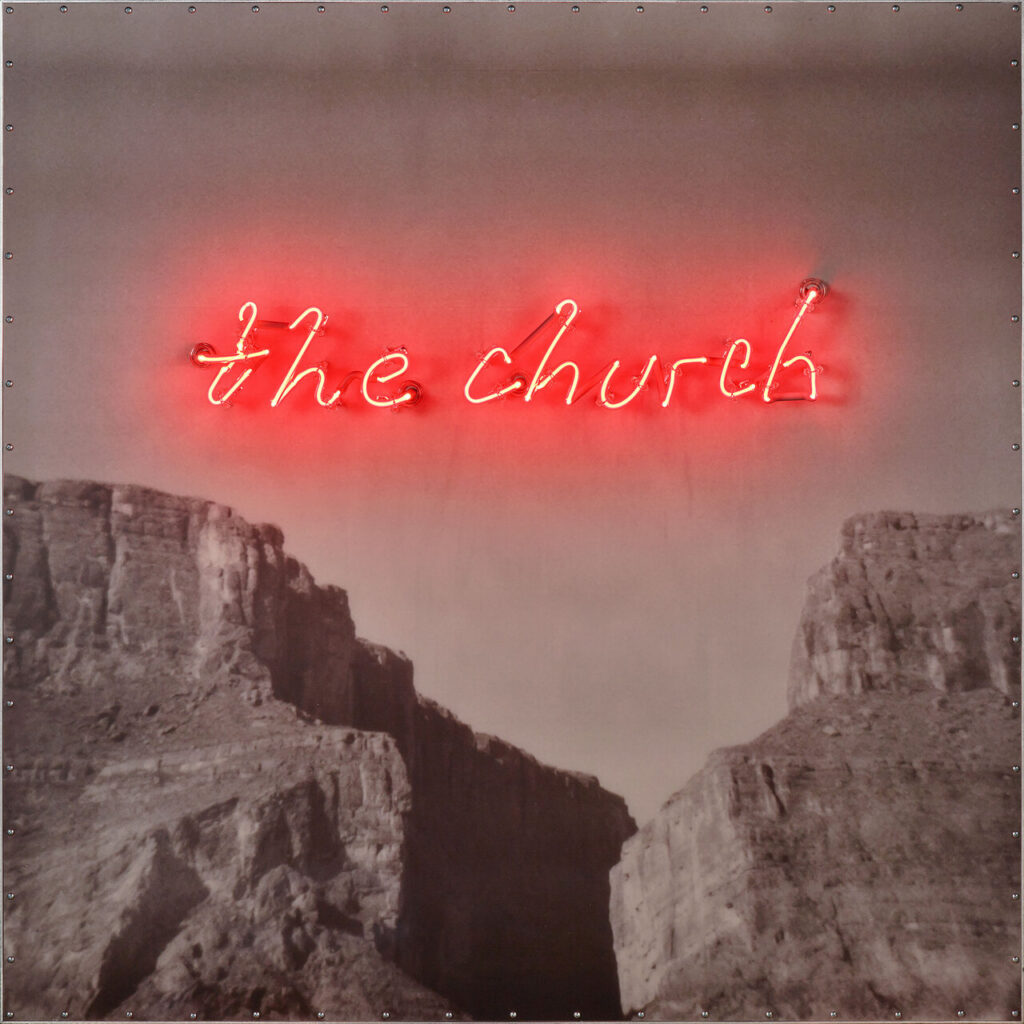
The Church – “Sacred Echoes” (Cooking Vinyl)

The Church’s new single “Sacred Echoes” is nothing short of a revelation. From the first shimmering notes, it’s clear that the band has tapped once again into that deep well of introspection and mystery that has defined their most transcendent work. The track unfolds with a hypnotic, shuffling beat that anchors a swirl of Gothic-tinged textures, creating a mood that feels both haunted and sublime.

What truly astonishes here is the musicianship — nuanced, fluid, and utterly immersive. Each note seems to drift in from some parallel dimension, reflecting the band’s uncanny ability to make the ethereal feel tangible. It’s a reflective piece, filled with the kind of emotional depth that has always been The Church’s calling card.

Listening to “Sacred Echoes” evokes memories of Priest = Aura — that same narcotic, psychedelic pull that invites you to slip the bonds of this reality for a few minutes and inhabit theirs instead. In an age of constant noise and anxiety, The Church continue to offer sanctuary through sound — a transitory escape into something greater, more profound, and beautifully uncertain.

Little has been revealed about whether this single heralds a new album on Cooking Vinyl, but if “Sacred Echoes” is any indication, we’re in for something extraordinary. The Church have not just revived themselves — they’ve reaffirmed their relevance. This is music for those who still believe in the transformative power of a song.

Review by Jonathan Levitt

Earth: A Meditation in Sound and Stillness

Live at LPR NYC 11/9/25

Last night at Le Poisson Rouge, Earth held court in New York City, performing their complete album Hex; Or Printing in the Infernal Method before a nearly sold-out audience. The experience felt less like a concert and more like a ceremony—a slow, seismic meditation in tone, weight, and the deep spaces between notes.

From the first reverberations, the music didn’t just unfold—it breathed. It opened up canyons of sound that drew us in, letting us drift through their depths and feel a greater oscillation in the world. Mighty and tragic, solemn and transcendent, this was music of reckoning and renewal.

My friend Bryan mentioned after the show concluded how wonderful it was that there were no lyrics, no voices—just sound itself, raw and infinite. He was right. The absence of words let the music move through us freely, connecting us in a shared quiet understanding. It was a rare and beautiful thing in a time so filled with noise and discord: to be united in listening, to feel small yet bound to something immense.

Before Earth took the stage, the evening began with a mesmerizing opening set from the band’s trombonist— Professor Steve Moore—who spent half an hour delving into the philosophy and mechanics of sound. He spoke about its mathematics, its simplicity, and its uncanny power to connect us. His insights set the tone perfectly: that what may appear minimal is, in fact, spiritually vast.

As Earth played through Hex, each piece seemed to linger in suspension, a slow procession through desert skies and empty plains, filled with reflection and sorrow yet threaded with resilience. The music didn’t drain or overwhelm—it left us inspired, as if we had endured something together, crossed some invisible threshold, and come out the other side a little more aware of our place in the universe.

When the final note dissolved, there was no rush to fill the silence. The audience sat still for a moment, breathing the same air, feeling the same weight and wonder. It was as though Earth had reminded us that within stillness there is movement, within repetition there is revelation—and that sometimes, simply listening can be a radical act of connection.

Words and Photos by Jonathan Levitt

( Follow me @ ElChingonPhotography on Instagram)