Photos and words by Jonathan Levitt
Sometimes you go to a concert expecting a few hours of music. And sometimes you walk out feeling as though someone has reached into your chest, found the things you’ve been struggling to articulate, and given them a melody.
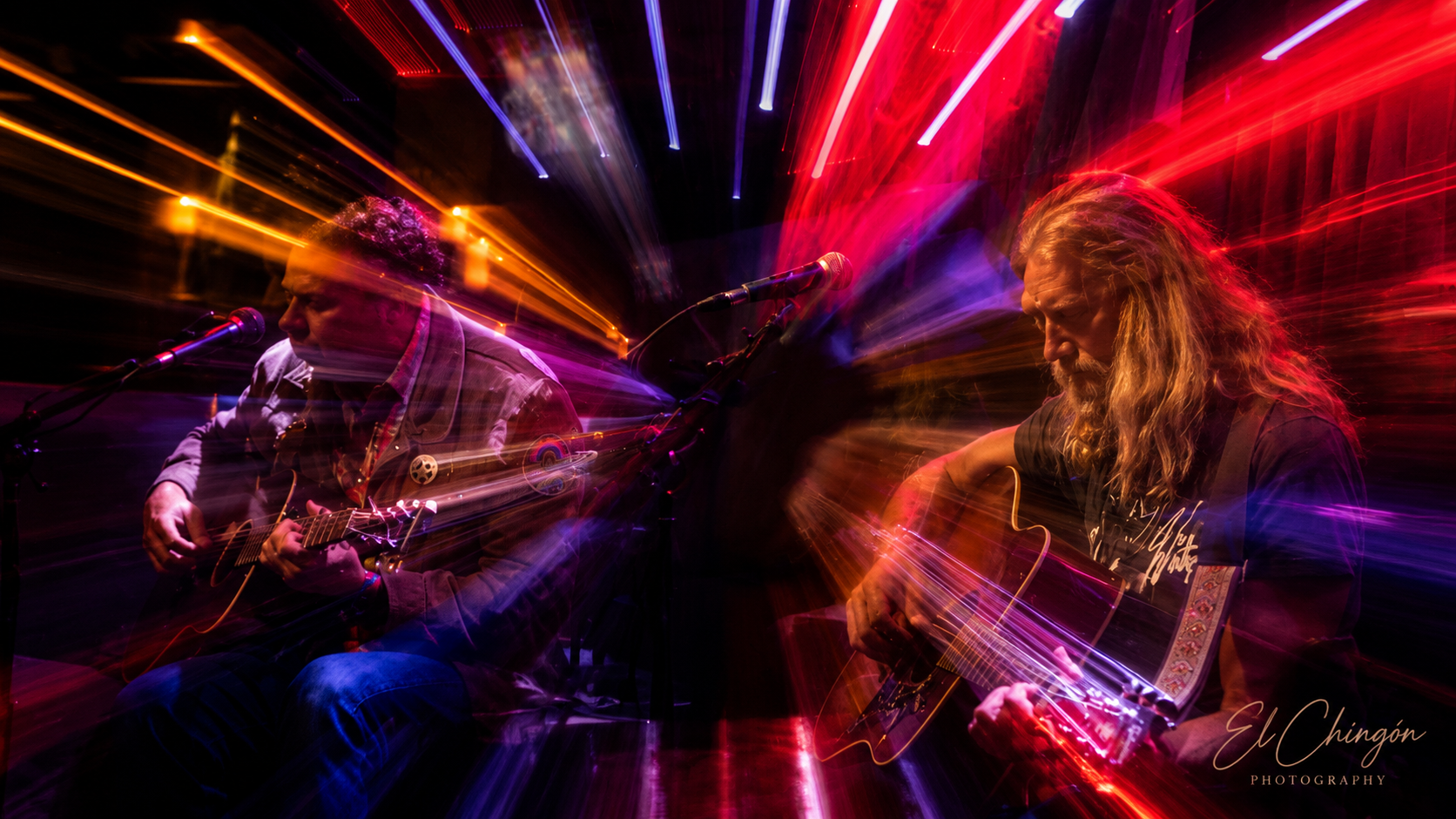
On October 9, I was invited by my friend Alicia to see Abe Partridge and Charlie Mars at Cafe Wha? in Greenwich Village. What unfolded was something beautiful, haunting, sad, funny, and ultimately uplifting. It was the kind of evening that reminds you what live music can be when you strip away the spectacle and leave two musicians, their instruments, their stories, and an audience willing to listen.
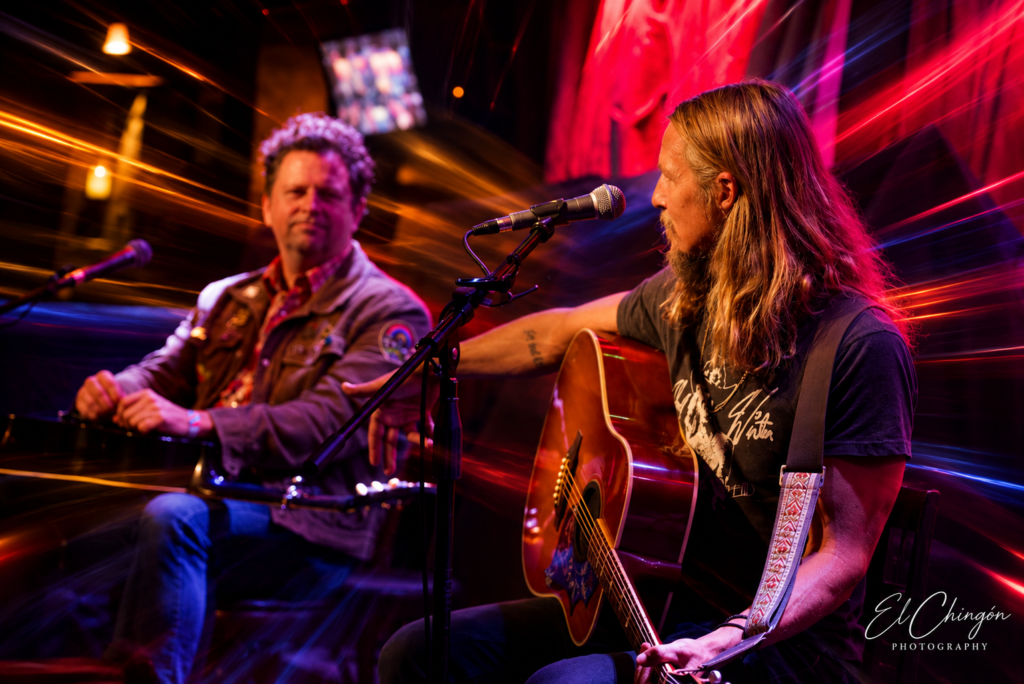
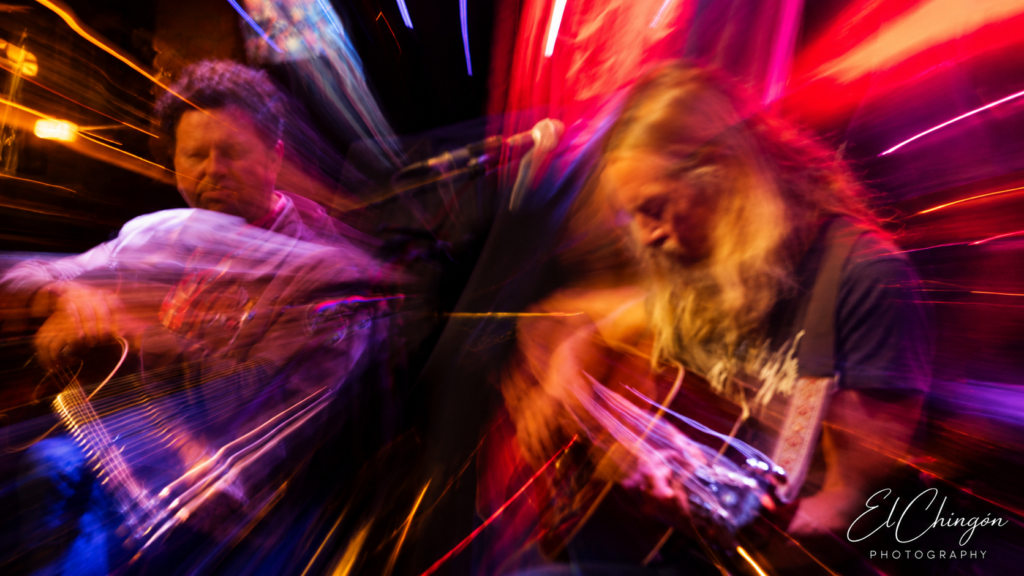
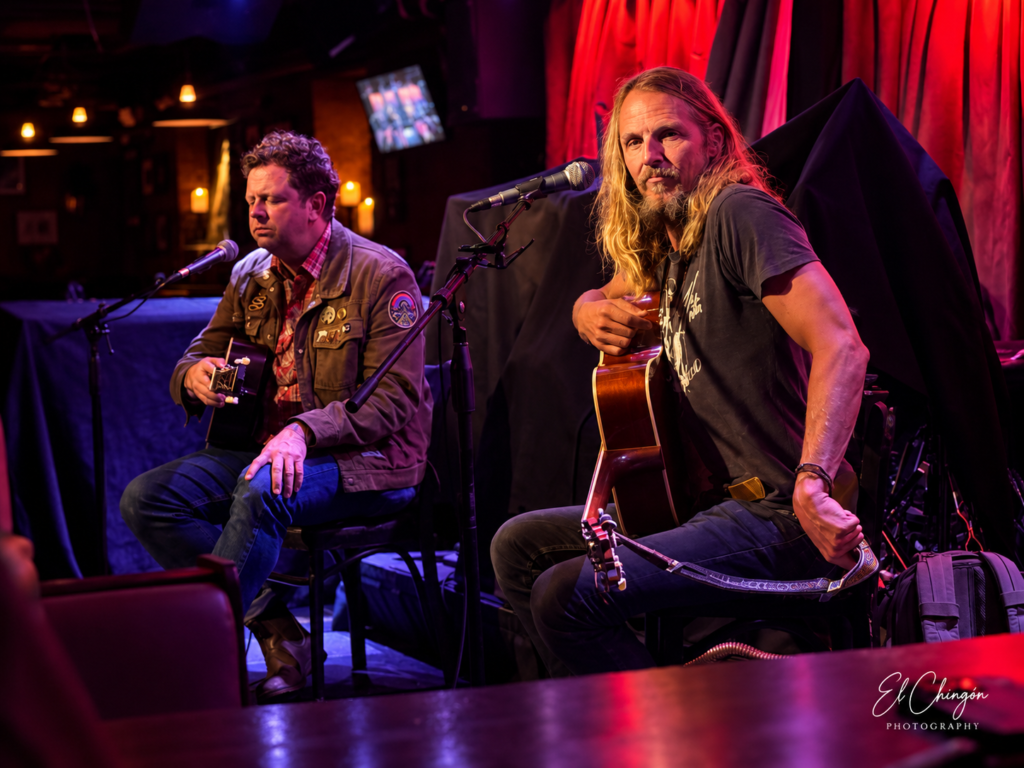
Partridge and Mars sat side by side, trading songs and stories, one after another. There was funny banter, recollections of lives lived, and moments of startling vulnerability. They weren’t simply performing for us. They were inviting us into their lives. The audience seemed to hang on every word, and the affection in the room was unmistakable. I only wish more people had been there. It saddened me to see the room less than full, because what was happening on that stage deserved a much larger audience.
But those of us who were there got something special.
And, frankly, something I think many of us desperately needed.
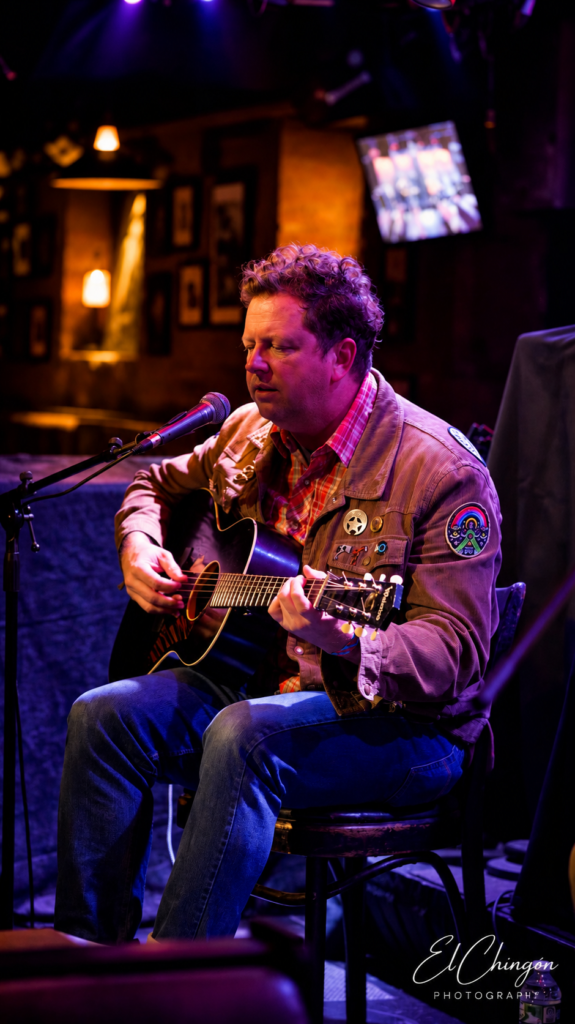
We live in a world increasingly saturated with artificiality, where algorithms decide what we hear and artificial intelligence can manufacture something that resembles a song without necessarily having anything to say. I’m not interested in dismissing every technological advancement or pretending that music has to be made a certain way. But there is a difference between something that sounds like music and an artist who has lived through something painful, carried it for years, and finally found the words to tell us about it.
This was the real deal. I don’t use that phrase lightly.
I used to be something of a music snob. My tastes leaned heavily toward alternative music, and anything that smelled of singer-songwriter earnestness, folk, or country was likely to be dismissed before I gave it a fair hearing. There’s a certain irony in that, given that I’m from El Paso, Texas. But tastes change, and so do we. I’ve become increasingly drawn to artists who can tell a story so vividly that you find yourself inhabiting someone else’s experience, seeing the world through their eyes for a few minutes.
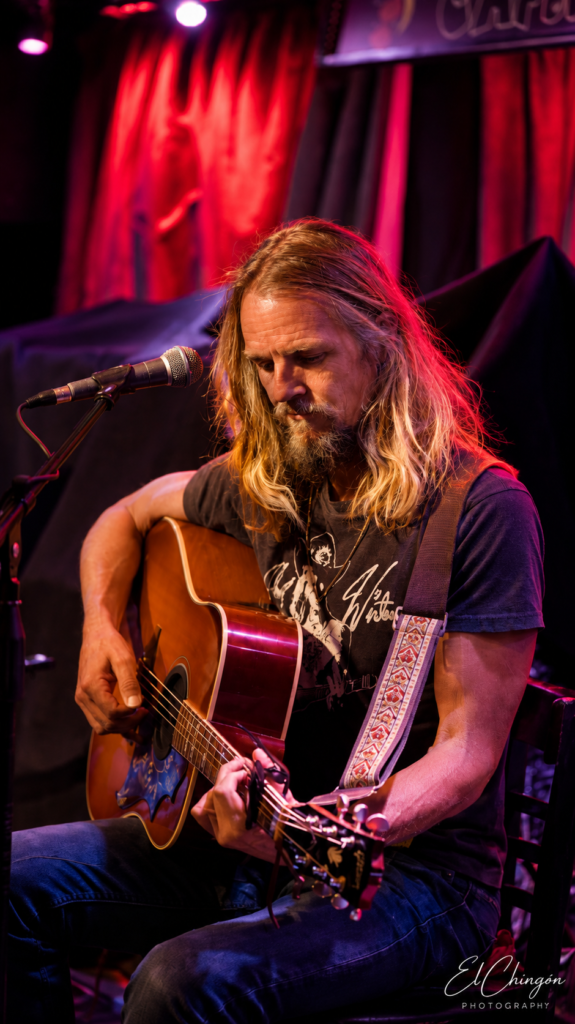
Both Abe Partridge and Charlie Mars have that ability.
Abe Partridge: The courage to confront uncomfortable truths
Two of Partridge’s songs, in particular, have stayed with me.
One dealt with his experience in Iraq. I don’t know the song’s title, but I remember an image from a lyric: a dove landing on top of a machine gun.
It’s difficult to imagine a more devastating juxtaposition. A dove, an enduring symbol of peace, perched on a weapon designed to destroy life. In that single image, the contradictions of war, the fragility of faith, and the distance between the ideals we profess and the violence we perpetuate seemed to converge.
The song was stark and painful. It asked difficult questions about faith, national priorities, and the machinery of American warfare. It didn’t need to shout to make its point. Its power came from the lived experience behind it, from the willingness to look directly at something terrible and refuse to turn away.
I found it profoundly moving.
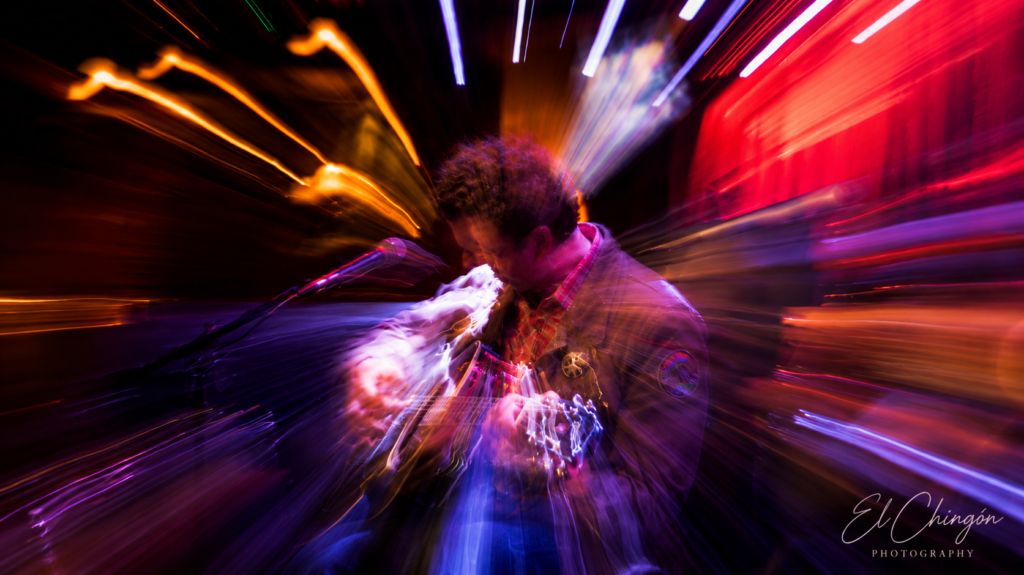
Then there was another song, one that confronted the political appropriation of Christianity and the use of Jesus Christ’s name in the MAGA movement. Again, I don’t know the title, but I remember the feeling it left me with.
I won’t pretend my own politics are irrelevant here. I’m a liberal living in New York City, and I have watched with dismay as religious language is wielded to justify political agendas that seem to me to stand in direct opposition to the compassion, humility, and concern for the vulnerable that Christianity professes.
But my gratitude for that song went beyond political agreement. I was grateful to hear an artist confront the contradiction directly, without retreating into vague platitudes or the safety of saying nothing at all. Partridge was willing to address the disillusionment that comes when people invoke a faith while seemingly abandoning its fundamental principles.
Art doesn’t have to confirm what we already believe. Sometimes it needs to articulate what we’ve been struggling to understand, or give voice to an anger and sadness that have become difficult to express.
That song did something like that for me.
And it mattered.
Charlie Mars: The stories behind the songs
Mars brought his own brand of honesty to the evening, speaking about his life, his struggles with drugs, his relationships, and his time in Austin. He also recounted touring with the Hanson brothers, a detail that made me smile.
I remember Hanson as the epitome of late-1990s pop-star absurdity. The idea of their paths intersecting with Mars’s musical world was amusing enough on its own, but it was also a reminder of how little we know about the lives and careers unfolding behind the music we casually categorize and dismiss.
Mars’s stories were funny at times, painful at others, but they never felt like rehearsed confessions delivered for effect. They felt like the recollections of someone who had been around long enough to understand that life rarely unfolds in a straight line. There are mistakes, detours, heartbreaks, addictions, reinventions, and moments of grace. Sometimes all you can do is turn them into songs and hope someone recognizes a little of themselves in them.
I appreciated that honesty immensely.
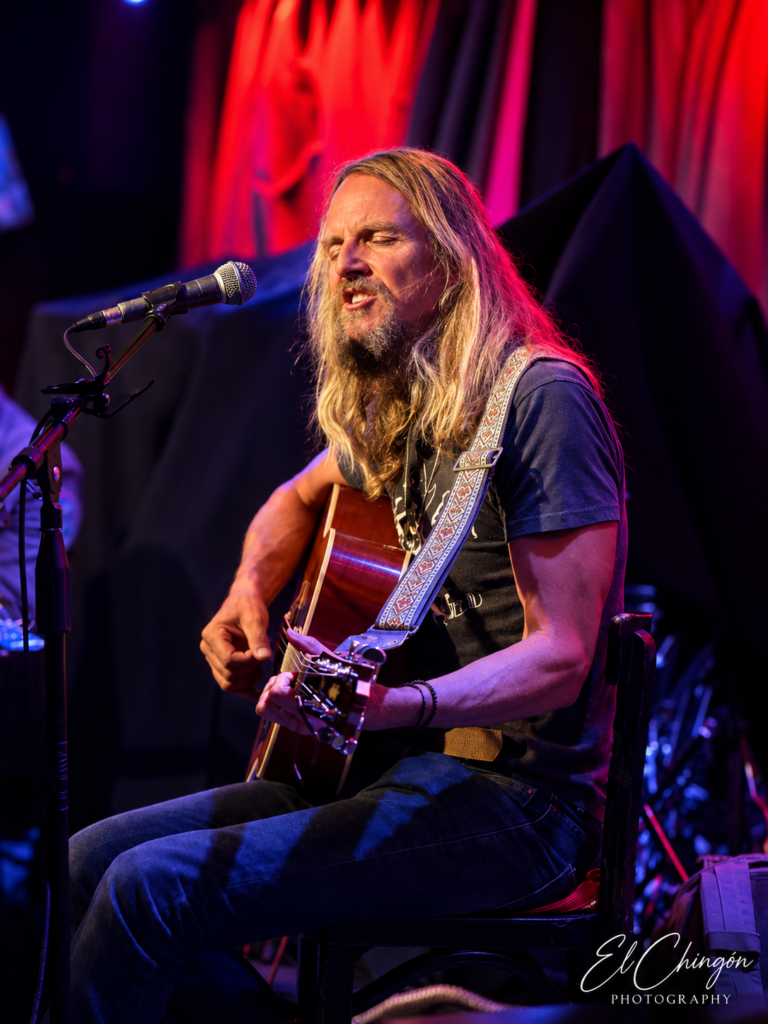
There is something refreshing about musicians who don’t feel compelled to construct an invulnerable persona. They let you see the damage, the humor, the contradictions, and the person underneath the performance. Mars and Partridge seemed entirely comfortable allowing their songs to speak for themselves while giving us enough of the stories behind them to understand where the songs came from.
That kind of intimacy is rare, and it was a gift.
The problem with assumptions
At one point, the conversation touched on the dismissive labels people had applied to them, the sort of language that reduces Southern and rural Americans to caricatures. I may not remember the exact term they used, but I remember the underlying point.
We make assumptions about people based on their accents, their backgrounds, and the places they call home. We hear a Southern accent and imagine a particular set of politics, a particular cultural identity, a particular understanding of America. We assume we know what someone believes before they’ve had a chance to tell us.
But people are more complicated than our stereotypes allow.
Here were two men whose backgrounds and musical sensibilities might lead some listeners to make assumptions about them, and yet they were confronting war, addiction, disillusionment, religious hypocrisy, and the moral failures of American life with remarkable clarity.
Their music crossed the boundaries that people are so eager to erect. It reminded me that empathy doesn’t belong to a political party, a geographic region, or a cultural tribe. Neither does honesty.
And perhaps that’s one of the reasons the evening felt so meaningful. In a city as punishing as New York can sometimes be, where everyone seems to be moving quickly and guarding some part of themselves, two musicians sat down and made room for complexity. They didn’t ask us to agree on everything. They simply asked us to listen.
We did.
What live music is supposed to do
What struck me most about the evening was how little it depended on spectacle.
There were no elaborate production tricks, no manufactured moments designed to go viral, no need to overwhelm the senses. There were songs, stories, instruments, and two men willing to put something of themselves on the line.
And there was an audience that seemed genuinely grateful for the experience.
We talk a great deal about music as entertainment, as a commodity, as something to stream while we work or drive or scroll through our phones. But music can be something much more necessary. It can help us process grief, anger, fear, disappointment, and the bewilderment of living through a period when so much seems to be coming apart.
That night, Partridge and Mars gave me a soundtrack for some of the pain I’ve been carrying as I watch what’s happening in this country and around the world. Their music didn’t make those feelings disappear. It didn’t offer easy answers or pretend that everything would be fine.
Instead, it made those feelings feel less isolating.
Sometimes that’s the most meaningful thing art can do. It can tell you that someone else has seen what you’ve seen, felt some version of what you’ve felt, and found a way to make something honest out of it. You leave not necessarily happier, but more connected, more understood, and perhaps a little more capable of carrying whatever comes next.
That is no small thing.
What comes next
I left Cafe Wha? wanting to hear more from both artists. I want to spend time with Charlie Mars’s records, and I was especially excited to learn that Abe Partridge has a new record coming out. I can’t wait to hear it, and I’m looking forward to introducing his work to my friend Fred Mills, whose knowledge of Southern music and singer-songwriters is exceptional.
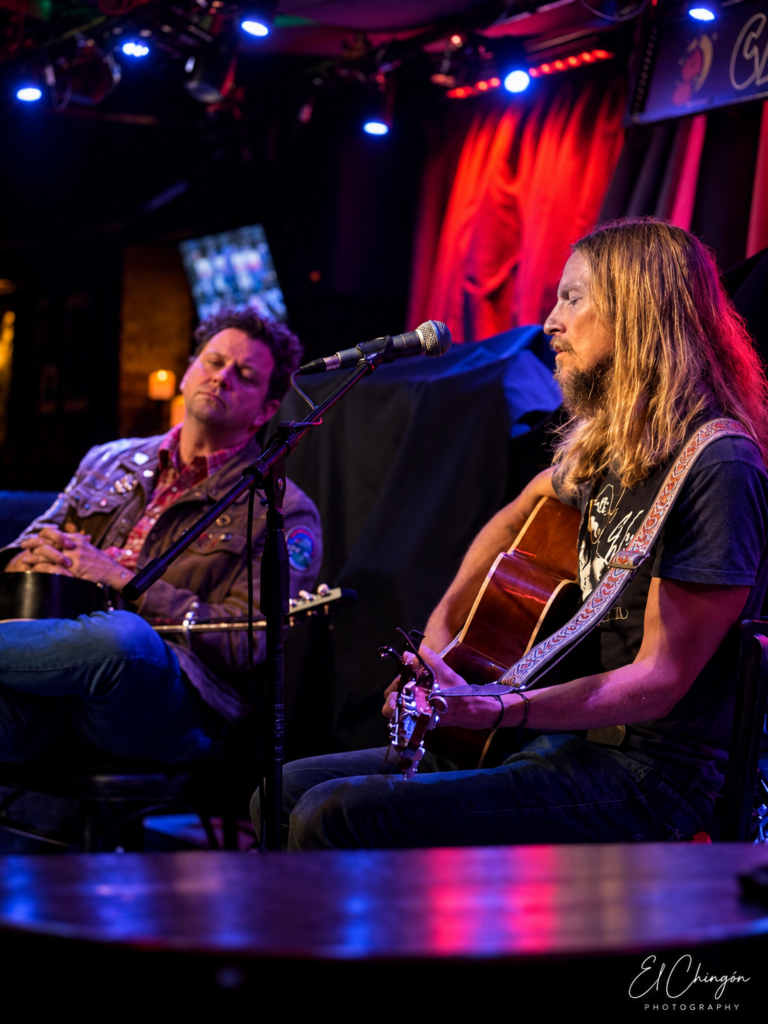
I owe Alicia a thank-you for the invitation, too. It would have been easy to spend that Friday evening doing any number of other things. Instead, I found myself in a small room listening to two musicians tell the truth as they understood it, and I was reminded of why I fell in love with music in the first place.
Abe Partridge and Charlie Mars gave us something beautiful that night. It was haunting and sad in places, funny in others, and ultimately uplifting, not because it denied the darkness but because it confronted it honestly.
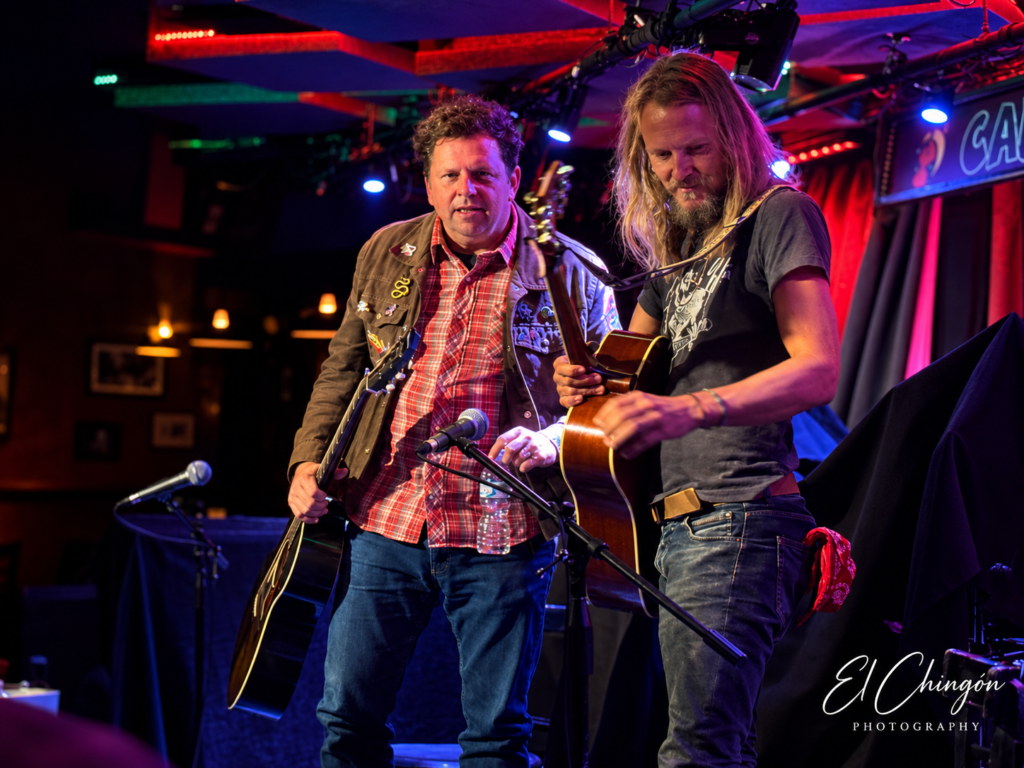
I wish the room had been full. I wish more people had been there to hear those songs, to sit with those stories, and to discover what I discovered.
But I’m grateful I was there.
Thank you, Abe Partridge and Charlie Mars, for the music, the candor, the humor, and the courage to sing about things that matter. Thank you for reminding me that behind all the noise, the algorithms, the political posturing, and the endless churn of modern life, there are still people making art out of their experiences and offering it to strangers.